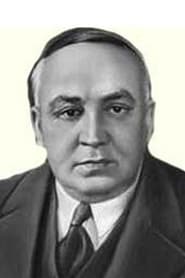
Vladimir Gardin
Actor & Director
Born: January 18, 1877 in Tver, Russian Empire Died: May 28, 1965 Active: 1914-1947 Birth Name: Vladimir Rostislavovich Gardin
Films
10 films

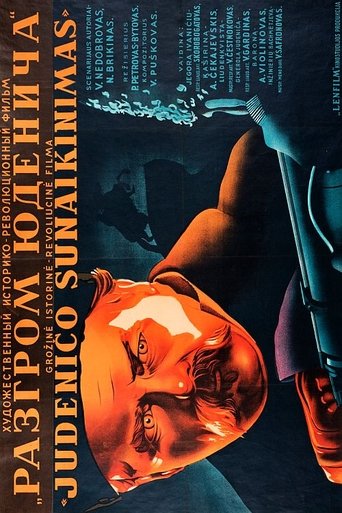
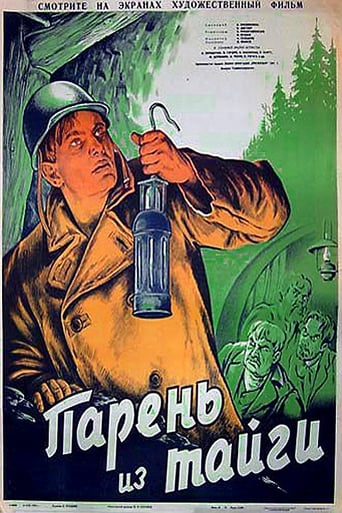
About Vladimir Gardin
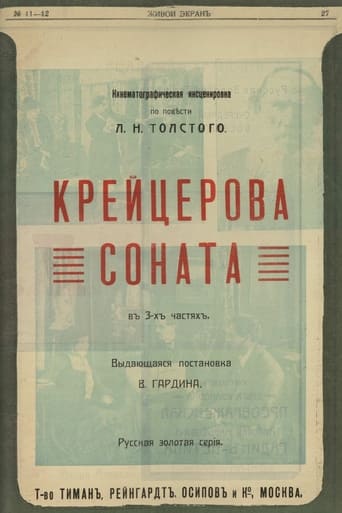
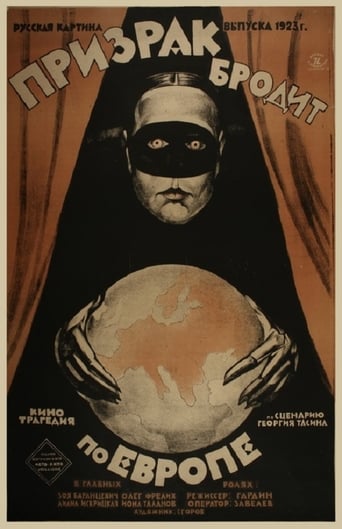
Vladimir Rostislavovich Gardin — figure in Russian and Soviet cinema, renowned as both an actor and director during the formative years of film. Born into a noble family, he began his career in theater before transitioning to the burgeoning film industry in the early 1910s. Gardin directed one of the earliest Russian feature films, 'The Kreutzer Sonata' (1914), which showcased his innovative approach to cinematic storytelling. After the Russian Revolution, he embraced the new Soviet regime and became instrumental in developing the state film industry, directing socially conscious films like 'A Spectre Haunts Europe' (1923). As an actor, he transitioned successfully from silent films to talkies, becoming particularly known for his portrayals of aristocratic and intellectual characters in Soviet productions. Gardin also made significant contributions to film education, teaching at the State Institute of Cinematography (VGIK) and mentoring generations of Soviet filmmakers. His over three decades, during which he appeared in more than 70 films and directed numerous productions that reflected the changing political and cultural landscape of Russia.
The Craft
On Screen
Gardin was known for his theatrical, expressive acting style that carried over from his stage background. He excelled at portraying aristocratic, intellectual, and authoritative figures with a dignified presence and precise diction. His performances were characterized by a commanding screen presence and the ability to convey complex emotions through subtle gestures and facial expressions, making him particularly effective in both dramatic and character roles.
Behind the Camera
As a director, Gardin was influenced by both Russian theatrical traditions and early cinematic innovations. He employed sophisticated narrative techniques and was particularly skilled at adapting literary works to the screen. His directing style emphasized psychological depth and social commentary, often focusing on moral and ethical dilemmas. Gardin was among the first Russian directors to recognize film's potential as both art and propaganda, blending entertainment with ideological messages.
Milestones
- Directed 'The Kreutzer Sonata' (1914), one of Russia's earliest feature films
- Directed 'A Spectre Haunts Europe' (1923), a notable Soviet propaganda film
- Successfully transitioned from silent films to talkies as an actor
- Taught at VGIK (State Institute of Cinematography) for many years
- Received the title of People's Artist of the RSFSR in 1947
- Appeared in over 70 films throughout his career
Best Known For
Iconic Roles
Must-See Films
Accolades
Won
- People's Artist of the RSFSR (1947)
- Order of the Red Banner of Labour (1938)
- Order of Lenin (1947)
- Stalin Prize (1941)
Nominated
- Stalin Prize nomination (1943)
Special Recognition
- Honored Artist of the RSFSR (1935)
- People's Artist of the RSFSR (1947)
- Star on the Moscow Walk of Fame
Working Relationships
Worked Often With
Studios
Why They Matter
Impact on Culture
Vladimir Gardin played a crucial role in the development of Russian and Soviet cinema during its formative years. As one of the pioneers of Russian feature filmmaking, he helped establish the artistic and technical standards that would influence generations of Soviet directors. His adaptations of classic Russian literature for the screen helped create a national cinematic identity that celebrated Russia's cultural heritage while serving the new Soviet ideology. Gardin's work bridged the gap between pre-revolutionary Russian culture and Soviet artistic expression, making him an important cultural mediator during a period of dramatic social and political change.
Lasting Legacy
Gardin's lasting legacy lies in his dual contribution as both a filmmaker and educator. His early films, particularly 'The Kreutzer Sonata,' remain important artifacts of early Russian cinema, demonstrating sophisticated storytelling techniques that were ahead of their time. As a teacher at VGIK, he influenced generations of Soviet filmmakers who would later become internationally renowned directors. His successful transition from the tsarist era to the Soviet period, while maintaining his artistic principles, serves as an example of artistic resilience and adaptation. Gardin's career exemplifies the complex relationship between art and politics in 20th-century Russia, and his contributions to film education helped establish the Soviet Union as a major force in world cinema.
Who They Inspired
Gardin influenced Soviet cinema through both his artistic work and his teaching. His approach to adapting literary works for the screen set a precedent that many Soviet directors would follow, particularly in the treatment of classic Russian literature. As an educator, he helped shape the curriculum and pedagogical methods at VGIK, which became one of the world's most prestigious film schools. His emphasis on combining technical skill with artistic depth influenced directors like Sergei Eisenstein and Vsevolod Pudovkin, who would later revolutionize cinematic language. Gardin's ability to navigate the political demands of Soviet cinema while maintaining artistic integrity provided a model for subsequent generations of filmmakers working within state-controlled systems.
Off Screen
Vladimir Gardin came from a noble Russian family and received an excellent education before pursuing a career in the arts. He married actress Olga Gzovskaya, with whom he often collaborated both on stage and screen. Despite the political upheavals of the Russian Revolution and subsequent Soviet era, Gardin managed to maintain his career and artistic integrity. He was known for his dedication to film education and spent his later years teaching and mentoring young filmmakers at VGIK.
Education
Graduated from Moscow University with a degree in law, later studied at the Moscow Theatre School under Vladimir Nemirovich-Danchenko
Family
- Olga Gzovskaya (1910s-1965)
Did You Know?
- Was originally trained as a lawyer before turning to the arts
- His real name was Vladimir Rostislavovich Gardin, but he sometimes used the pseudonym 'Gardin-Gardinsky'
- Directed one of the first Russian feature films, 'The Kreutzer Sonata', in 1914
- Survived both the Russian Revolution and Stalin's purges, unlike many of his contemporaries
- Was one of the first Russian film directors to recognize the educational potential of cinema
- Continued acting well into his 60s, appearing in films until 1947
- His wife Olga Gzovskaya was a prominent actress in her own right
- Taught at VGIK for over 20 years, influencing multiple generations of Soviet filmmakers
- Received the prestigious Stalin Prize in 1941 for his contributions to Soviet cinema
- His films often explored themes of morality, justice, and social transformation
In Their Own Words
Cinema is not merely entertainment; it is the most powerful tool for educating and shaping the consciousness of the masses
The actor must understand that the camera sees what the human eye might miss - the truth of the soul
To adapt literature for the screen is not to betray it, but to give it new life through the universal language of images
In teaching cinema, we are not merely training technicians, but nurturing artists who will shape the cultural soul of our nation
Frequently Asked Questions
Who was Vladimir Gardin?
Russian and Soviet actor and on YTB.my. He was instrumental in developing early Russian cinema and later became a respected educator at VGIK, influencing generations of Soviet filmmakers.
What films is Vladimir Gardin best known for?
Titles linked here include The Kreutzer Sonata (1914), A Spectre Haunts Europe (1923).
When was Vladimir Gardin born and when did he die?
Born January 18, 1877; died May 28, 1965.
What awards did Vladimir Gardin win?
Gardin received several prestigious honors including the title of People's Artist of the RSFSR (1947), the Order of Lenin (1947), the Order of the Red Banner of Labour (1938), and the Stalin Prize (1941).
What was Vladimir Gardin's directing style?
Gardin's directing style blended theatrical traditions with early cinematic innovations, emphasizing psychological depth and social commentary. He was particularly skilled at adapting literary works and was among the first Russian directors to recognize film's potential as both art and propaganda.
How did Vladimir Gardin influence Soviet cinema?
Gardin influenced Soviet cinema through his early films, his adaptations of Russian literature, and most significantly through his teaching at VGIK where he mentored future masters like Eisenstein and Pudovkin. He helped establish the artistic and educational foundations of Soviet filmmaking.
What was Vladimir Gardin's background before film?
Before entering cinema, Gardin was trained as a lawyer at Moscow University and had a successful career in theater. He studied under renowned theatrical figures Vladimir Nemirovich-Danchenko and Konstantin Stanislavski, which influenced his later film work.