Films
3 films
About Aleksandra Matveeva
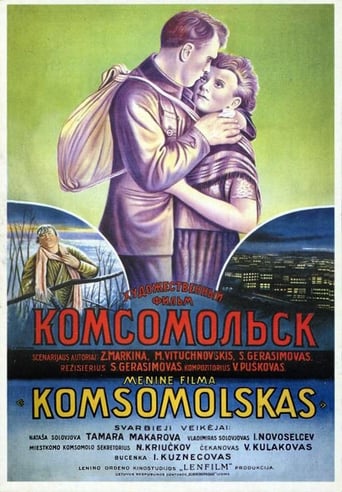
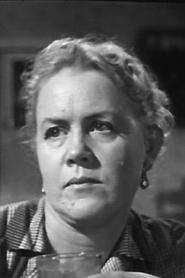
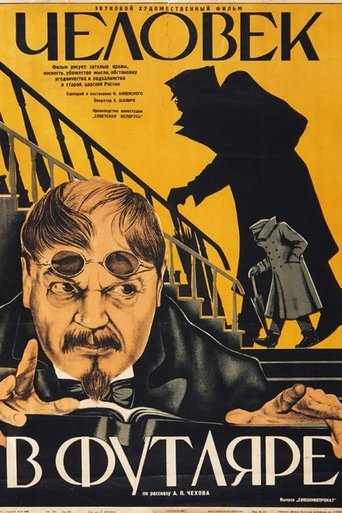
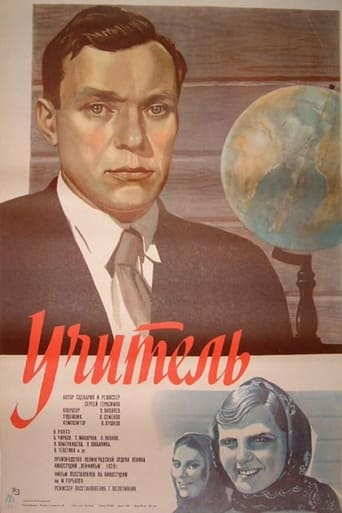
Soviet actress who had a brief but notable career in the late 1930s, appearing in three significant Soviet films during this period. Her filmography includes 'Komsomolsk' (1938), which depicted the construction of a metallurgical plant in the Soviet Far East, 'Man in a Shell' (1939), and 'The New Teacher' (1939), both of which reflected the ideological themes prevalent in Soviet cinema of the era. Despite her limited screen time and relatively short career, Matveeva's performances contributed to the socialist realist cinema that dominated Soviet filmmaking during Stalin's rule. Her work appeared during a crucial period in Soviet film history when the industry was heavily state-controlled and focused on promoting communist ideals. Unfortunately, detailed information about her life, training, and career trajectory remains scarce, which was common for many supporting actors in Soviet cinema of this period. After 1939, there are no documented film appearances, suggesting her acting career may have been brief or that she transitioned to other pursuits.
The Craft
Milestones
- Appeared in 'Komsomolsk' (1938)
- Starred in 'Man in a Shell' (1939)
- Featured in 'The New Teacher' (1939)
Best Known For
Must-See Films
Working Relationships
Studios
Why They Matter
Impact on Culture
Aleksandra Matveeva's contribution to Soviet cinema, while brief, reflects the broader cultural and political landscape of the late 1930s Soviet Union. Her appearances in films like 'Komsomolsk' and 'The New Teacher' align with the socialist realist aesthetic promoted by Stalin's cultural policy, which emphasized optimistic portrayals of Soviet life and the building of communism. Though not a major star, her work represents the collective effort of countless actors who contributed to the massive propaganda machine of Soviet cinema, helping to shape the cultural narrative of the era.
Lasting Legacy
Due to the limited documentation and her brief career span, Aleksandra Matveeva's legacy in film history remains obscure, though her performances survive as part of the broader tapestry of Soviet cinema from the late 1930s. Her films represent important examples of socialist realist cinema and continue to be studied by film historians interested in understanding the cultural and political dimensions of Soviet filmmaking during Stalin's regime.
Who They Inspired
There is no documented evidence of Aleksandra Matveeva's influence on other actors or filmmakers, likely due to her brief career and supporting roles. Her influence, if any, would be indirect through her participation in films that exemplified the socialist realist style that dominated Soviet cinema for decades.
Off Screen
Very little information is available about Aleksandra Matveeva's personal life, which was not uncommon for Soviet supporting actors of the 1930s. Many details about actors' private lives were not systematically documented or preserved during this period of Soviet cinema.
Did You Know?
- Had an extremely brief film career spanning only two years (1938-1939)
- All three of her known films were released during a critical period of Soviet cinema under Stalin's rule
- Her films exemplify the socialist realist style mandated by Soviet cultural policy
- Like many Soviet actors of the era, detailed biographical information was not systematically preserved
- Her career ended at the onset of World War II, which dramatically altered Soviet filmmaking
- The lack of information about her later life is typical for many Soviet supporting actors from this period
Frequently Asked Questions
Who was Aleksandra Matveeva?
Screen credits include three films during 1938-1939, including 'Komsomolsk' (1938), 'Man in a Shell' (1939), and 'The New Teacher' (1939). She had a brief career during the height of Stalin's socialist realist cinema era.
What films is Aleksandra Matveeva best known for?
Titles linked here include Komsomolsk (1938), Man in a Shell (1939).
When was Aleksandra Matveeva born and when did she die?
Unfortunately, specific birth and death dates for Aleksandra Matveeva are not documented in available historical records, which was common for many supporting Soviet actors of this period.
What awards did Aleksandra Matveeva win?
There are no documented awards or nominations for Aleksandra Matveeva, which was typical for many supporting actors in Soviet cinema of the 1930s.
What was Aleksandra Matveeva's acting style?
Based on her filmography, Matveeva worked within the socialist realist tradition dominant in Soviet cinema during the late 1930s, which emphasized clear, idealized performances that served ideological purposes.
Why is there so little information about Aleksandra Matveeva?
The scarcity of information about Matveeva reflects broader patterns in Soviet cinema documentation, where detailed records were often not maintained for supporting actors, especially during the turbulent political climate of the late 1930s.