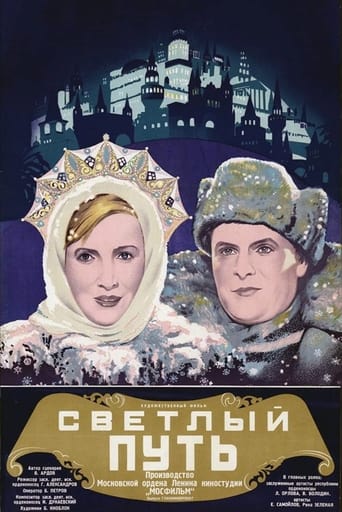

Osip Abdulov
Actor
Born: November 22, 1900 in Łódź, Russian Empire (now Poland) Died: June 14, 1953 Active: 1933-1953 Birth Name: Osip Naumovich Abdulov
Films
16 films
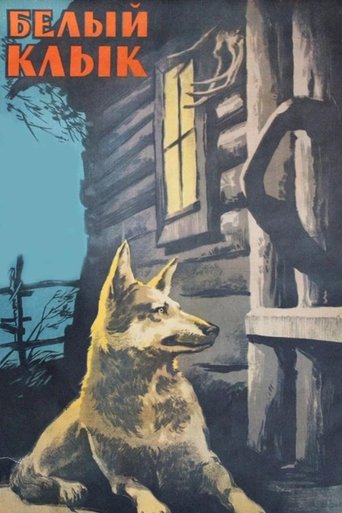
The White Fang
1946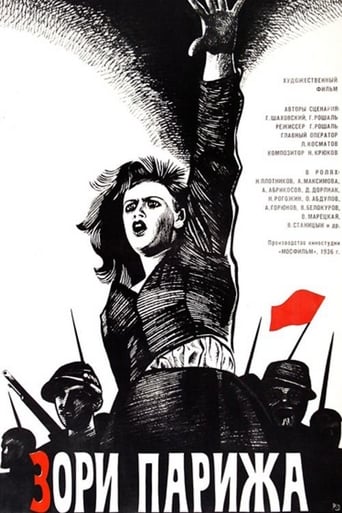
The Paris Commune
1936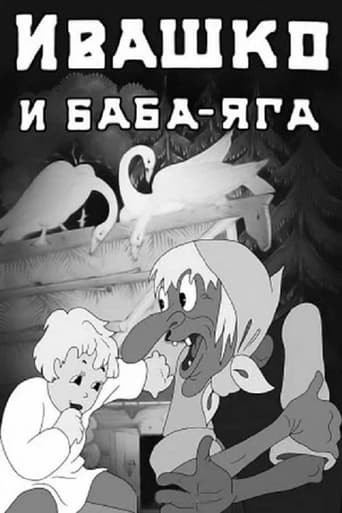
Ivashko and Baba-Yaga
1938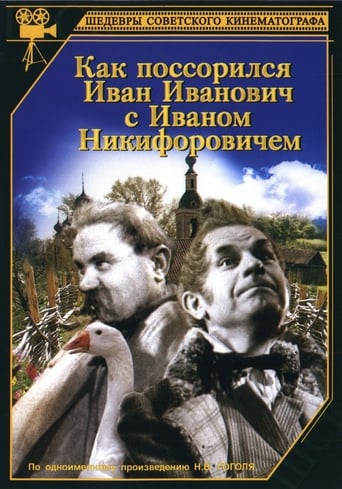
How Ivan Ivanovich Quarreled with Ivan Nikiforovich
1941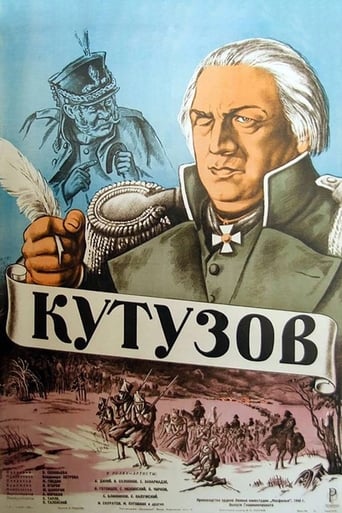
1812
1944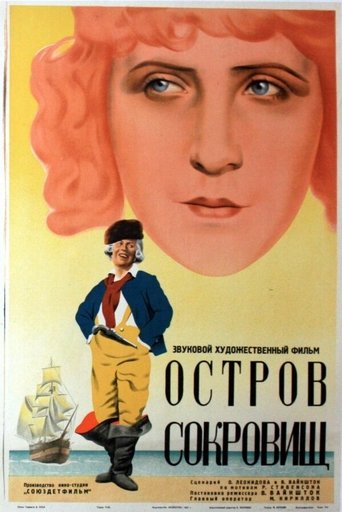
Treasure Island
1937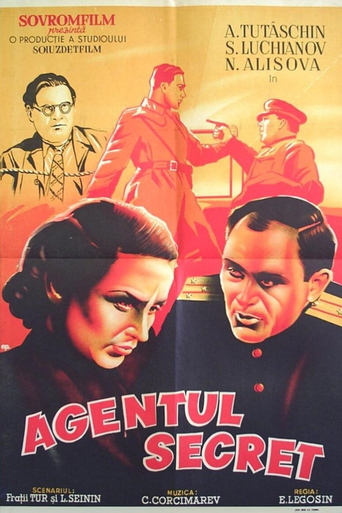
Agentful Secret
1945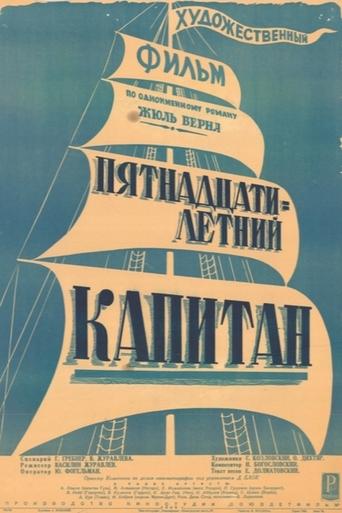
A Captain at Fifteen
1945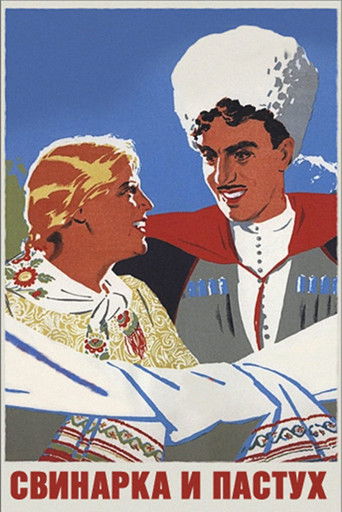
Swineherd and Shepherd
1941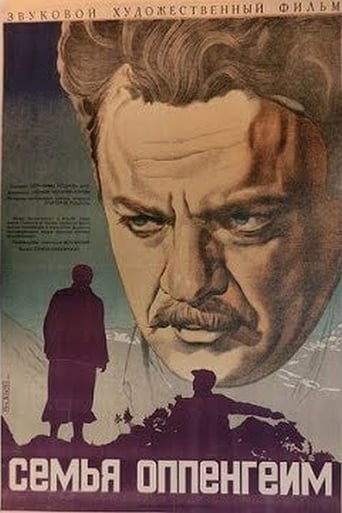
The Oppenheim Family
1938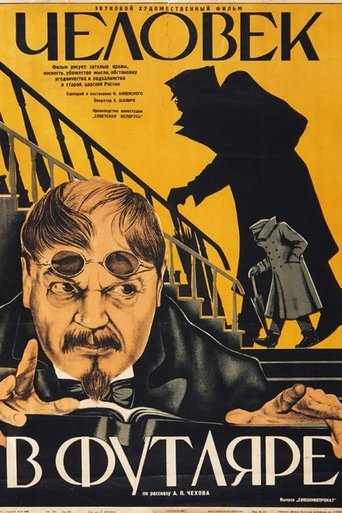
Man in a Shell
1939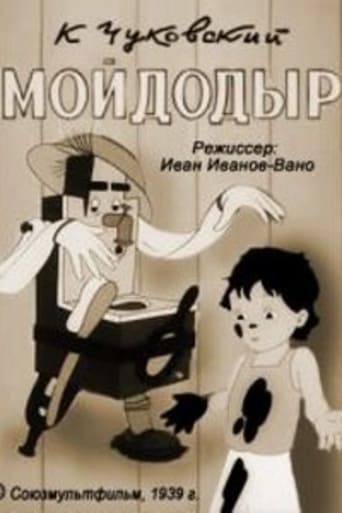
Wash-’em-Clean
1939
One from Many
1943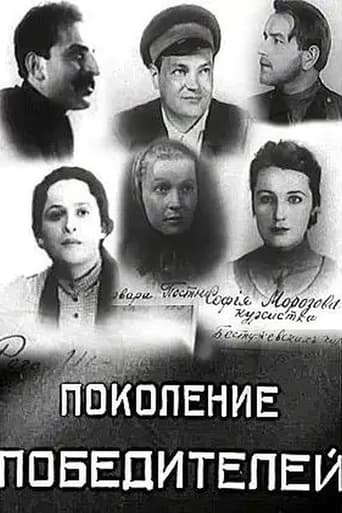
Generation of Victors
1936No Poster
Collection of Films for the Armed Forces #8
1942About Osip Abdulov
Soviet actor: theater, film, and radio during the pivotal decades of Soviet cinema. Born in Poland when it was part of the Russian Empire, he rose to prominence as a member of the prestigious Moscow Art Theatre, where he honed his craft under the influence of Stanislavski's system. His film career began in the mid-1930s during the height of Stalinist cinema, where he became known for his versatile character portrayals and distinctive voice. Abdulov excelled in both dramatic and comedic roles, bringing depth and authenticity to each performance. His work in radio drama was particularly significant, as his rich, resonant voice made him recognizable actors in Soviet broadcasting. Despite the political pressures of the era, he maintained artistic integrity and continued to work productively until his death in 1953. His legacy endures through his contributions to Soviet theatrical tradition and his memorable film performances that captured the essence of the Soviet cultural experience.
The Craft
On Screen
Abdulov was known for his methodical approach to character development, employing the Stanislavski system with exceptional skill. His performances were characterized by psychological depth, precise diction, and a remarkable ability to transform himself physically and vocally for each role. He had a particular talent for portraying complex anti-heroes and morally ambiguous characters, bringing nuance and humanity to even the most challenging roles.
Milestones
- Joined Moscow Art Theatre (1933)
- Received title of People's Artist of the RSFSR (1944)
- Starred in Treasure Island (1937) as Long John Silver
- work in Soviet radio drama
- Performed in over 30 films during career
Best Known For
Iconic Roles
Must-See Films
Accolades
Won
- People's Artist of the RSFSR (1944)
- Stalin Prize (1943)
- Order of the Red Banner of Labour (1948)
- Order of the Badge of Honour (1938)
Nominated
- Stalin Prize nomination (1941)
- Stalin Prize nomination (1949)
Special Recognition
- Honored Artist of the RSFSR (1938)
- People's Artist of the RSFSR (1944)
Working Relationships
Worked Often With
Studios
Why They Matter
Impact on Culture
Osip Abdulov significantly influenced Soviet theatrical and cinematic culture during the Stalin era. His portrayal of Long John Silver in the Soviet adaptation of Treasure Island became iconic, introducing Soviet audiences to sophisticated character acting that transcended simple ideological archetypes. His work in radio drama helped establish the medium as a legitimate art form in the Soviet Union, and his distinctive voice became familiar to millions of Soviet citizens. Abdulov's ability to balance artistic integrity with the demands of socialist realism made him a model for actors navigating the complex cultural politics of the time.
Lasting Legacy
Abdulov's legacy endures through his contributions to the Moscow Art Theatre tradition and his memorable film performances that continue to be studied by actors and film scholars. His son Vadim and grandson Alexander continued the family's theatrical tradition, creating a dynasty of respected Russian actors. The techniques he developed for voice work and character transformation remain influential in Russian acting pedagogy. His films, particularly Treasure Island, are considered classics of Soviet cinema and are regularly shown in retrospectives of Soviet film history.
Who They Inspired
Abdulov influenced generations of Soviet and Russian actors through his work at the Moscow Art Theatre and his film performances. His approach to character study and voice technique became part of the standard curriculum in Russian acting schools. Many prominent Soviet actors cited his performances as inspiration, particularly his ability to create complex, multi-dimensional characters within the constraints of socialist realism. His radio work also influenced the development of Soviet audio drama and broadcasting standards.
Off Screen
Osip Abdulov was married twice during his lifetime. His first marriage was to actress Yevgeniya Khovanskaya, with whom he had a son, Vadim Abdulov, who also became an actor. After their divorce, he married Natalya Rozanova, with whom he remained until his death. Despite his fame, Abdulov maintained a relatively private personal life, focusing primarily on his artistic work and family. He was known among colleagues as a dedicated professional who took his craft very seriously.
Education
Graduated from Leningrad Institute of Stage Arts (1923)
Family
- Yevgeniya Khovanskaya (1920s-1930s)
- Natalya Rozanova (1940s-1953)
Did You Know?
- Was fluent in Polish, Russian, and Yiddish
- His family moved from Poland to Russia when he was a child
- Initially wanted to become a lawyer before turning to acting
- Was one of the first Soviet actors to specialize in voice work for radio
- His performance as Long John Silver was considered revolutionary for Soviet cinema
- Survived the Great Purge despite being of Polish origin during a time of heightened suspicion
- Was known for his photographic memory and ability to memorize long scripts quickly
- Often performed charity readings for wounded soldiers during World War II
- His voice was used for the first Soviet audio books in the late 1940s
- Maintained a extensive personal library of theatrical literature and scripts
In Their Own Words
The actor must not play the role, he must become the role - there is no other path to truth on stage
In every character, no matter how small, there lives a universe of human experience waiting to be discovered
The voice is not merely an instrument but the very soul of the actor made audible
Art survives politics, but the artist must navigate both with wisdom and courage
To understand a character, one must first understand oneself completely
Frequently Asked Questions
Who was Osip Abdulov?
Prominent Soviet with credits in this catalog. He was particularly known for his distinctive voice and versatile character performances, most famously as Long John Silver in the 1937 Soviet adaptation of Treasure Island.
What films is Osip Abdulov best known for?
Titles linked here include Treasure Island (1937), The Paris Commune (1936).
When was Osip Abdulov born and when did he die?
Born November 22, 1900; died June 14, 1953.
What awards did Osip Abdulov win?
Abdulov received several prestigious Soviet honors including the title of People's Artist of the RSFSR (1944), the Stalin Prize (1943), the Order of the Red Banner of Labour (1948), and the Order of the Badge of Honour (1938). He was also named an Honored Artist of the RSFSR in 1938.
What was Osip Abdulov's acting style?
Abdulov was known for his methodical approach using the Stanislavski system, characterized by psychological depth, precise diction, and remarkable physical and vocal transformations. He excelled at creating complex, multi-dimensional characters and was particularly renowned for his distinctive voice work in both film and radio.