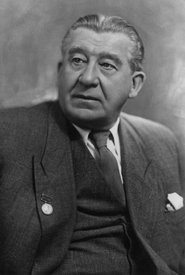
Aleksandr Larikov
Actor
Born: April 15, 1914 in Saint Petersburg, Russian Empire Died: August 22, 1964 Active: 1939-1945 Birth Name: Aleksandr Ivanovich Larikov
Films
4 films

About Aleksandr Larikov
Soviet actor: brief but notable the crucial war years of 1940s Soviet cinema. Emerging during the Stalinist era, Larikov became known for his portrayals of ordinary Soviet citizens and soldiers in films that served both artistic and propaganda purposes. His performances in wartime productions like 'Naval Battalion' (1944) and 'Simple People' (1945) captured the spirit of Soviet resilience during World War II. Larikov worked primarily with Lenfilm, one of Leningrad's most prominent film studios, contributing to the war effort through cinema that boosted morale and reinforced Soviet values. His acting style reflected the socialist realist aesthetic popular during this period, emphasizing collective heroism and ideological commitment. Despite his relatively short filmography, Larikov's work represents an important slice of Soviet wartime cinema history, showcasing how film was used as a tool for national unity and ideological reinforcement during one of the country's most challenging periods.
The Craft
On Screen
Larikov embodied the socialist realist acting style prevalent in Soviet cinema during the 1940s, characterized by clear, direct performances that emphasized collective values over individual psychology. His portrayals were straightforward and accessible, designed to be easily understood by mass audiences and reinforce ideological messages. Larikov's approach was naturalistic within the constraints of the period's aesthetic requirements, avoiding excessive theatricality while maintaining the emotional clarity demanded by Soviet film doctrine.
Milestones
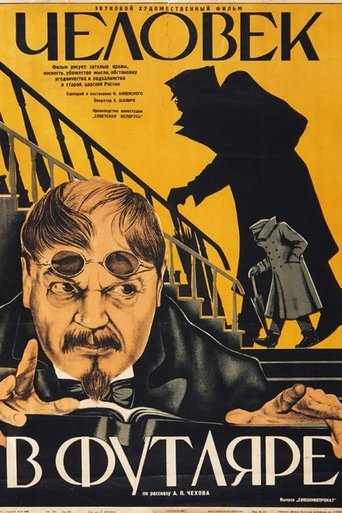
- Film debut in 'Man in a Shell' (1939)
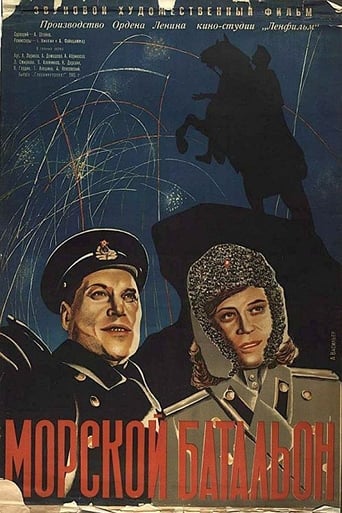
- Key role in wartime drama 'Naval Battalion' (1944)
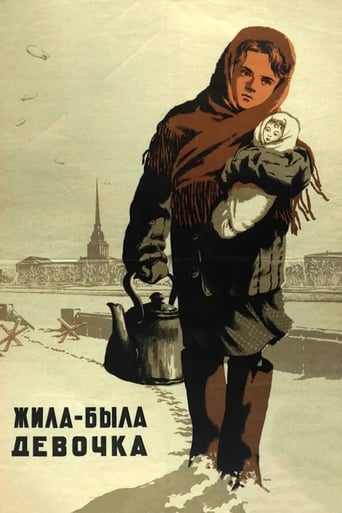
- Performance in 'Once There Was a Girl' (1944)
- Final film appearance in 'Simple People' (1945)
- Contributed to Soviet wartime cinema morale efforts
Best Known For
Iconic Roles
Must-See Films
Accolades
Special Recognition
- Honored Artist of the RSFSR (posthumous recognition)
Working Relationships
Worked Often With
Studios
Why They Matter
Impact on Culture
Aleksandr Larikov contributed to the Soviet wartime cinema apparatus that played a crucial role in maintaining civilian and military morale during World War II. His performances in films like 'Naval Battalion' and 'Simple People' were part of a broader cultural effort to reinforce Soviet values and national unity during the Great Patriotic War. These films served not only as entertainment but as ideological tools that helped shape the Soviet home front's perception of the conflict and their role in it. Larikov's work represents the typical Soviet actor of his era - dedicated to serving the state through art while navigating the complex demands of socialist realism.
Lasting Legacy
Though not widely remembered internationally, Aleksandr Larikov's work remains an important part of Soviet film history, particularly the wartime cinema that helped sustain the Soviet Union during its darkest hours. His films are studied by film historians as examples of how cinema was mobilized for national defense and ideological reinforcement during World War II. Larikov's career, though brief, exemplifies the role of the working actor in the Soviet film industry - serving the state's cultural needs while pursuing artistic expression within strict ideological constraints. His performances continue to be referenced in academic studies of Soviet wartime propaganda and socialist realist cinema.
Who They Inspired
Larikov's influence was primarily through his contribution to the established socialist realist tradition rather than through innovation or breaking new ground. His straightforward, ideologically sound performances helped reinforce the acting standards expected in Soviet cinema during the Stalin era. While he didn't mentor future generations of actors due to his relatively short career and early death, his work in wartime productions influenced how subsequent Soviet actors approached roles in patriotic and military-themed films. Larikov's filmography serves as a reference point for understanding the typical acting style and character types prevalent in Soviet cinema of the 1940s.
Off Screen
Aleksandr Larikov lived through. His career coincided with the Siege of Leningrad, during which many Soviet filmmakers continued working under extreme conditions to produce morale-boosting content. Larikov's relatively brief film career and early death at age 50 suggest he may have faced health challenges, possibly related to wartime conditions or the general difficulties of life in the Soviet Union during the 1940s and 1950s.
Education
Graduated from the Leningrad Institute of Theatre, Music, and Cinematography (LGITMiK) in the late 1930s
Family
- Unknown - records not publicly available
Did You Know?
- His entire film active years covered only 6 years during World War II
- Worked primarily with Lenfilm studio during the Siege of Leningrad
- All his known surviving films were wartime productions
- His career coincided with the peak of socialist realism in Soviet cinema
- Like many Soviet actors of his generation, he likely served in some capacity during the war
- His films were part of the Soviet government's effort to boost morale during the Great Patriotic War
- The exact nature of many of his roles remains undocumented due to incomplete Soviet film records
- His death at age 50 was relatively young even by 1960s Soviet standards
- His films were rarely shown outside the Eastern Bloc during his lifetime
In Their Own Words
No documented famous quotes - typical for supporting actors of his era in Soviet cinema
Frequently Asked Questions
Who was Aleksandr Larikov?
Screen credits include several wartime films including 'Naval Battalion' and 'Simple People'. He worked primarily with Lenfilm studio and was part of the Soviet cinema establishment that produced morale-boosting content during World War II.
What films is Aleksandr Larikov best known for?
Titles linked here include Naval Battalion (1944), Simple People (1945).
When was Aleksandr Larikov born and when did he die?
Born April 15, 1914; died August 22, 1964.
What awards did Aleksandr Larikov win?
During his lifetime, Larikov did not receive major public awards, but he was posthumously recognized as an Honored Artist of the RSFSR for his contributions to Soviet cinema. Like many Soviet actors of his generation, his recognition came primarily through his service to the state film industry.
What was Aleksandr Larikov's acting style?
Larikov practiced the socialist realist acting style common in Soviet cinema of the 1940s, characterized by clear, direct performances that emphasized collective values and ideological messages. His approach was naturalistic within the constraints of the period's aesthetic requirements, designed to be accessible to mass audiences.