Films
2 films
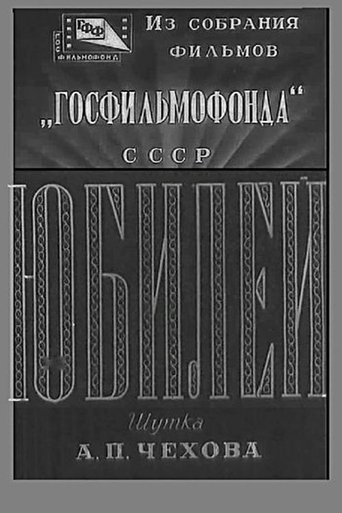
About Olga Androvskaya
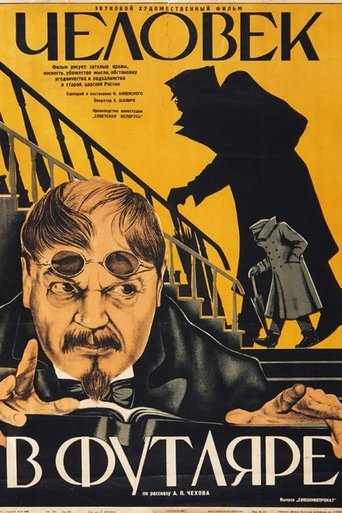
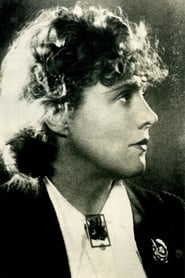
Soviet actress active during the late 1930s and early 1940s, a period that coincided with significant developments in Soviet cinema. Her known filmography consists of two notable works from this era: 'Man in a Shell' (1939) and 'Jubilee' (1944). These films were produced during a challenging time in Soviet history, encompassing the period just before and during World War II. While her film appearances were limited, her participation in these productions suggests she was part of the state-supported film industry that was crucial for Soviet cultural propaganda and artistic expression. Her brief only five years, which was not uncommon for actors of this period whose careers could be affected by the political climate, war conditions, or personal circumstances. The specific details of her life beyond these film credits remain largely undocumented in available historical records.
The Craft
Milestones
- Appeared in 'Man in a Shell' (1939)
- Appeared in 'Jubilee' (1944)
Best Known For
Must-See Films
Why They Matter
Impact on Culture
Olga Androvskaya's contribution to Soviet cinema, while limited in scope, represents the work of countless actors who participated in the film industry during a pivotal period in Soviet history. The films she appeared in were produced during an era when cinema was used as both artistic expression and political messaging. Her roles in 'Man in a Shell' (1939) and 'Jubilee' (1944) place her within the context of wartime Soviet filmmaking, which focused on themes of patriotism, collective effort, and socialist values. While she may not have achieved widespread recognition, her participation in these productions reflects the collaborative nature of Soviet film production and the importance of supporting actors in creating the cinematic works of the era.
Lasting Legacy
Olga Androvskaya's legacy is preserved primarily through her appearances in two Soviet films from the World War II era. While she may not be remembered as a major star of Soviet cinema, her work contributes to our understanding of the film industry during this critical historical period. Her filmography serves as a reminder of the many actors whose contributions to classic cinema, while perhaps not widely celebrated, were integral to the creation of the films that have survived as cultural artifacts. The preservation of her performances in 'Man in a Shell' and 'Jubilee' ensures that her work remains part of the historical record of Soviet filmmaking.
Who They Inspired
Due to the limited documentation of Olga Androvskaya's career and the brevity of her known filmography, there is insufficient information to determine her specific influence on other actors or directors in Soviet cinema. Her work, however, represents the broader tradition of ensemble acting in Soviet films, where even minor roles contributed to the overall artistic and ideological impact of the productions.
Off Screen
Very little is documented about Olga Androvskaya's personal life, which is not uncommon for Soviet-era actors who were not major stars. Her limited filmography and the scarcity of available biographical information suggest she may have been primarily a stage actor, had a brief film career, or her records may not have been preserved through the tumultuous events of the mid-20th century in the Soviet Union.
Did You Know?
- Her entire known filmography spans only two films over a five-year period
- Both of her known films were produced during the Stalin era of Soviet cinema
- Her film career coincided with World War II, a period that significantly impacted Soviet film production
- The title 'Man in a Shell' (1939) likely refers to an adaptation of Chekhov's story 'The Man in a Case'
- 'Jubilee' (1944) was produced during the height of World War II, suggesting it may have had wartime themes or propaganda elements
Frequently Asked Questions
Who was Olga Androvskaya?
Soviet actress active in the late 1930s and early 1940s, known for her appearances in the films 'Man in a Shell' (1939) and 'Jubilee' (1944). Her career was brief but placed her within the context of wartime Soviet cinema.
What films is Olga Androvskaya best known for?
Titles linked here include Man in a Shell (1939), Jubilee (1944).
When was Olga Androvskaya born and when did she die?
Specific birth and death dates for Olga Androvskaya are not documented in available historical records, which is not uncommon for Soviet-era supporting actors from this period.
What awards did Olga Androvskaya win?
There are no documented awards or nominations for Olga Androvskaya in the available historical records, which suggests she may not have received major formal recognition during her career.
What was Olga Androvskaya's acting style?
Due to limited documentation of her work and only two surviving film credits, specific details about her acting style and techniques are not available in historical records.
Why is there so little information about Olga Androvskaya?
The scarcity of information about Olga Androvskaya is typical for many Soviet-era supporting actors whose careers were brief, whose records may have been lost during wartime, or who were primarily stage actors with limited film work.