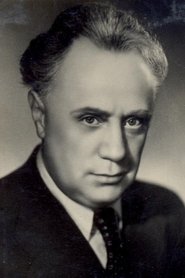
Mikhail Zharov
Actor & Director
Born: October 27, 1899 in Moscow, Russian Empire Died: January 15, 1981 Active: 1915-1975 Birth Name: Mikhail Ivanovich Zharov
Films
27 films
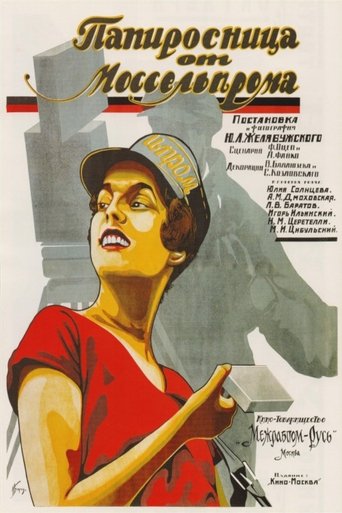
The Cigarette Girl of Mosselprom
1924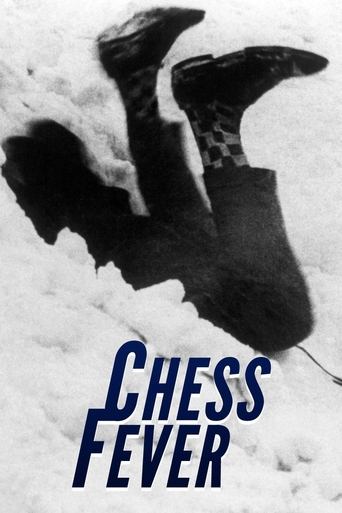
Chess Fever
1925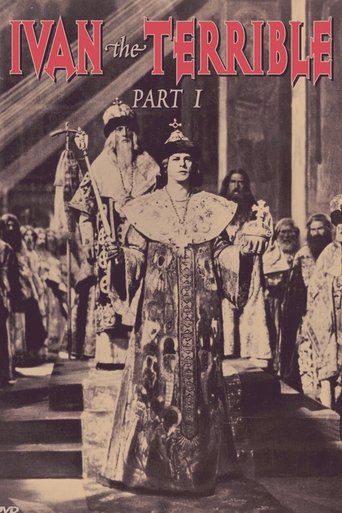
Ivan the Terrible, Part I
1944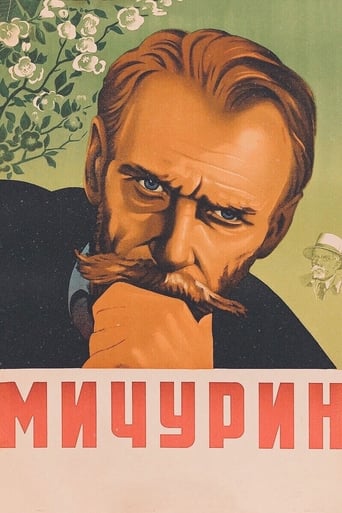
Life in Bloom
1948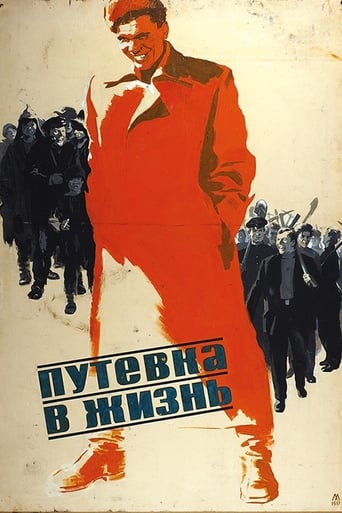
Road to Life
1931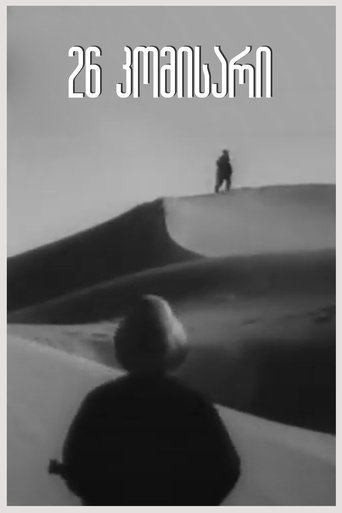
26 Commissioners
1933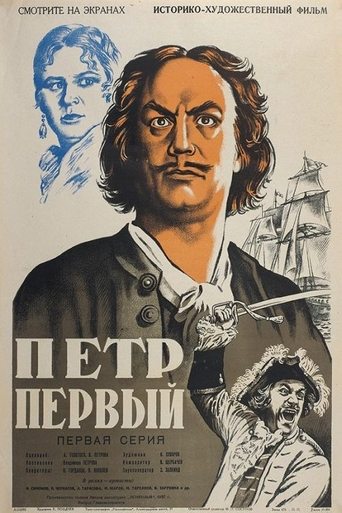
Peter the First, Part I
1937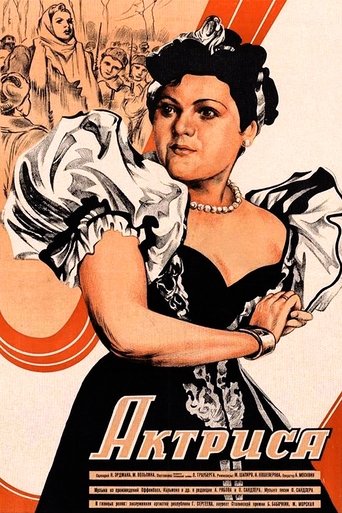
Actress
1943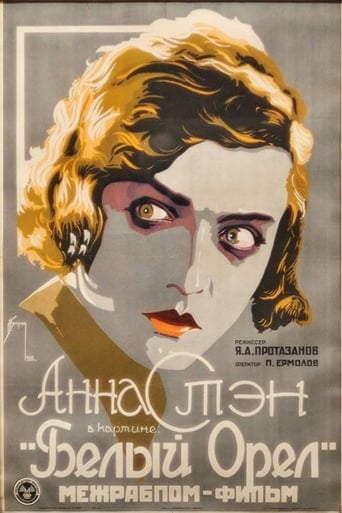
The White Eagle
1928
A Noisy Household
1946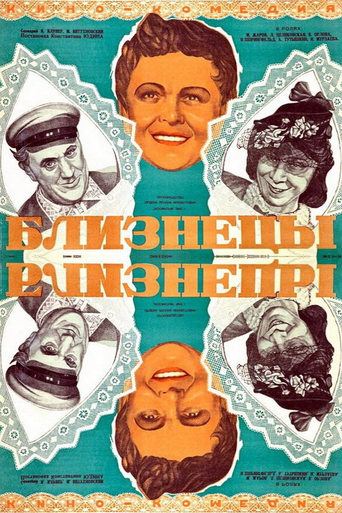
Twins
1945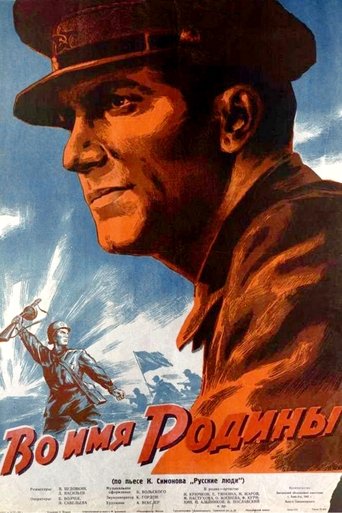
In the Name of the Motherland
1943
The Return of Maxim
1937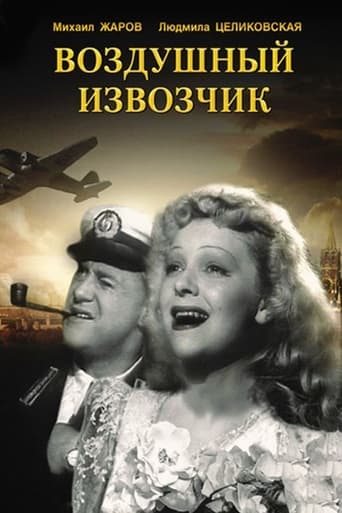
Air Taxi
1943
The Vyborg Side
1939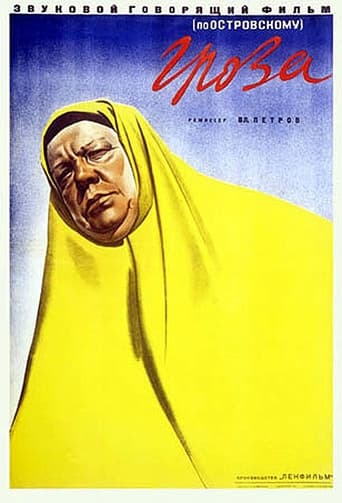
Thunderstorm
1934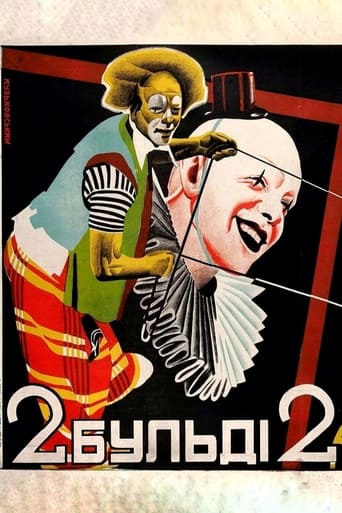
Two-Buldi-Two
1929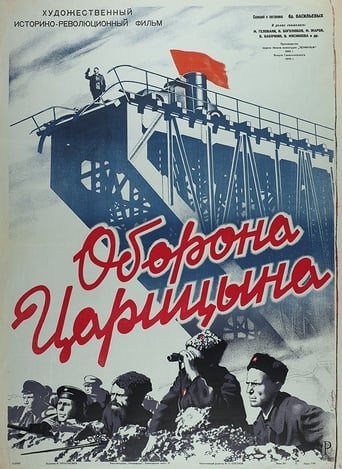
Defense of Tsaritsyn
1942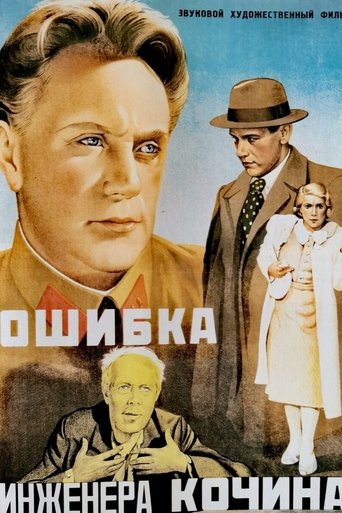
Engineer Kochin's Error
1939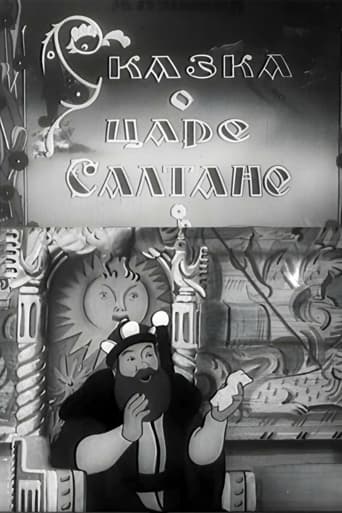
The Tale of Tsar Saltan
1943
Three Comrades
1935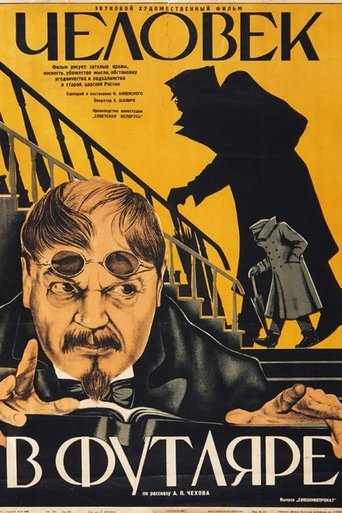
Man in a Shell
1939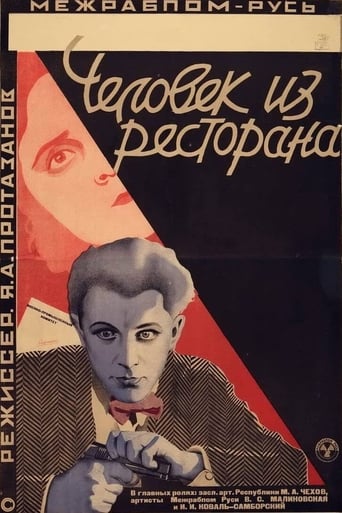
The Man from the Restaurant
1927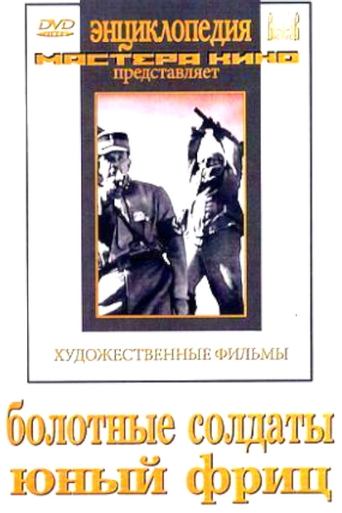
Young Fritz
1943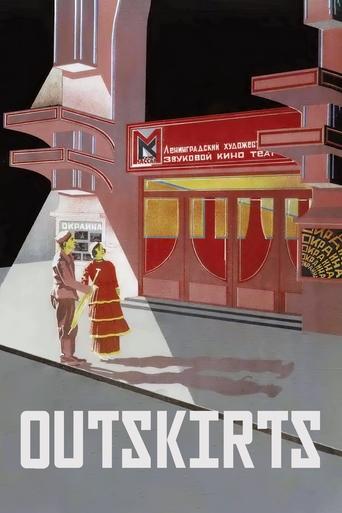
Outskirts
1933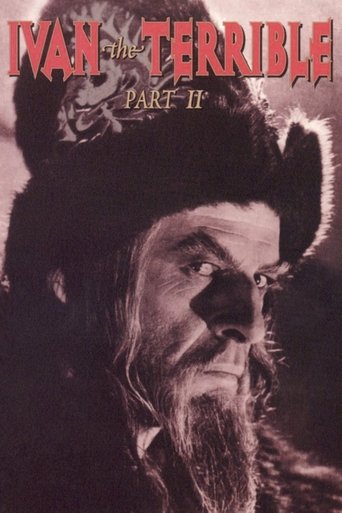
Ivan the Terrible, Part II: The Boyars' Plot
1958About Mikhail Zharov
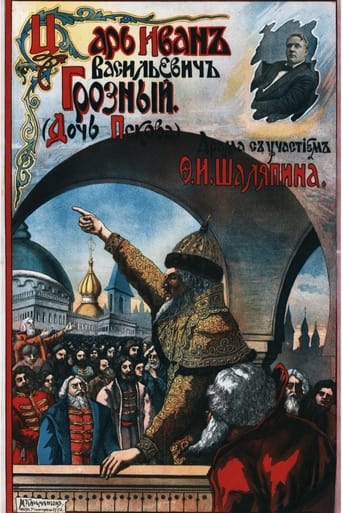
Mikhail Ivanovich Zharov — prominent Soviet actor and director active from the silent era through the early Soviet sound period. Beginning his film career in 1915, Zharov quickly established himself as a versatile character actor in the burgeoning Russian film industry. Mikhail appears in numerous significant silent films including the historical epic 'Tsar Ivan Vasilevich The Terrible' (1915) and the influential comedy 'The Cigarette Girl of Mosselprom' (1924). His performance in 'Chess Fever' (1925) showcased his comedic timing and ability to work within avant-garde Soviet cinema. Throughout the 1920s, he continued to build his reputation with roles in 'The Man from the Restaurant' (1927) and 'The White Eagle' (1928), demonstrating remarkable range across different genres. As the Soviet film industry transitioned to sound, Zharov adapted successfully and eventually moved into directing, helming 'A Noisy Household' in 1946. His career reflected the evolution of Soviet cinema itself, from the experimental silent period through the establishment of socialist realism in the 1930s and 1940s.
The Craft
On Screen
Zharov was known for his versatile character acting, capable of both dramatic intensity and comedic timing. His performances in silent films demonstrated exceptional physical expressiveness and the ability to convey complex emotions through gesture and facial expression. He had a particular talent for playing both aristocratic and common characters with equal authenticity, often bringing depth to supporting roles that elevated the entire production. His transition to sound cinema was seamless, with his distinctive voice and diction adding another dimension to his characterizations.
Behind the Camera
As a director, Zharov favored realistic portrayals of Soviet life with touches of humanistic comedy. His directorial work, particularly in 'A Noisy Household', showed an understanding of ensemble casting and the ability to extract naturalistic performances from actors. He maintained the theatrical traditions of his early career while embracing cinematic techniques that served the narrative.
Milestones
- Film debut in Tsar Ivan Vasilevich The Terrible (1915)
- Breakthrough role in The Cigarette Girl of Mosselprom (1924)
- Memorable performance in Chess Fever (1925)
- Critical acclaim in The Man from the Restaurant (1927)
- Transition to directing with A Noisy Household (1946)
- Awarded People's Artist of the USSR (1949)
- Received Stalin Prize (1942, 1951)
Best Known For
Iconic Roles
Must-See Films
Accolades
Won
- People's Artist of the USSR (1949)
- Stalin Prize (1942)
- Stalin Prize (1951)
- Order of Lenin (1949)
- Order of the Red Banner of Labour (1938)
- Order of the October Revolution (1974)
Nominated
- Multiple Soviet film award nominations throughout career
Special Recognition
- Honored Artist of the RSFSR (1938)
- People's Artist of the RSFSR (1944)
Working Relationships
Worked Often With
Studios
Why They Matter
Impact on Culture
Mikhail Zharov played a significant role in the development of Soviet cinema during its formative years. His work in silent films helped establish the language of Soviet cinematic comedy and drama, influencing generations of actors who followed. His performances in films like 'The Cigarette Girl of Mosselprom' and 'Chess Fever' became part of the foundation of Soviet film comedy, blending satirical elements with humanistic storytelling. Zharov's ability to transition from the experimental silent era to the more ideologically rigid socialist realist period demonstrated his adaptability and commitment to his craft.
Lasting Legacy
Zharov's legacy lies in his contributions to both silent and early sound Soviet cinema, as well as his work in theater. He represents the bridge between the revolutionary artistic experimentation of the 1920s and the more structured Soviet film industry of the 1930s and 1940s. His films continue to be studied by film historians as examples of early Soviet cinematic achievements, and his performances are regarded as masterclasses in character acting within the constraints of the Soviet system.
Who They Inspired
Zharov influenced subsequent generations of Soviet actors through his work at the Moscow Art Theatre and his film performances. His approach to character development and his ability to work across genres served as a model for actors navigating the changing demands of Soviet cinema. Many younger actors studied his techniques for transitioning between comedy and drama, a skill particularly valuable in Soviet film production.
Off Screen
Mikhail Zharov was married twice during his lifetime. His first marriage was to actress Vera Maretskaya, though this union ended in divorce. He later married actress Olga Androvskaya, with whom he shared both personal and professional life. The couple often performed together in theater productions and occasionally in films. Zharov was known for his dedication to the craft of acting and his commitment to Soviet cultural values throughout his career.
Education
Graduated from the Moscow Art Theatre School in the early 1920s
Family
- Vera Maretskaya (1925-1930)
- Olga Androvskaya (1931-1981)
Did You Know?
- One of the few actors to successfully transition from silent films to sound in Soviet cinema
- His film 'Chess Fever' (1925) featured chess champion José Raúl Capablanca in a cameo
- Worked extensively in both film and theater throughout his career
- Served as a mentor to many younger Soviet actors
- His directing career was relatively brief but influential
- Received multiple Stalin Prizes for his contributions to Soviet art
- Was known for his meticulous preparation for roles
- Continued acting well into his 70s
- His performances often reflected the social and political changes in Soviet society
- Was particularly respected for his work in historical films
In Their Own Words
The actor must serve the truth of the character, not the ego of the performer
In both comedy and tragedy, the key is finding the humanity in every role
Silent film taught me that every gesture must have meaning
The theater is our home, but cinema is our window to the world
Frequently Asked Questions
Who was Mikhail Zharov?
Prominent Soviet actor and on YTB.my. He was known for his versatile character performances in both comedies and dramas, and later became a respected director of Soviet films.
What films is Mikhail Zharov best known for?
Titles linked here include The Cigarette Girl of Mosselprom (1924), Chess Fever (1925).
When was Mikhail Zharov born and when did he die?
Born October 27, 1899; died January 15, 1981.
What awards did Mikhail Zharov win?
Zharov received numerous prestigious awards including the title of People's Artist of the USSR (1949), two Stalin Prizes (1942 and 1951), the Order of Lenin, and the Order of the Red Banner of Labour.
What was Mikhail Zharov's acting style?
Zharov was known for his versatile character acting with exceptional physical expressiveness in silent films and naturalistic delivery in sound films. He excelled at both comedy and drama, bringing depth to supporting roles and adapting seamlessly to the transition from silent to sound cinema.