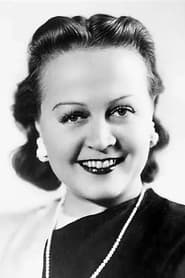
Tatyana Okunevskaya
Actor
Born: March 3, 1914 in Moscow, Russian Empire Died: May 16, 2002 Active: 1934-1947 Birth Name: Tatyana Kirillovna Okunevskaya
Films
6 films
About Tatyana Okunevskaya
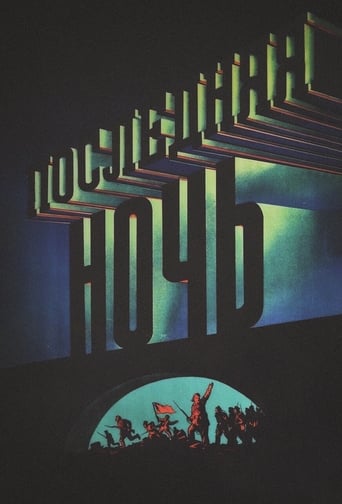
Celebrated Soviet actress: promising career was tragically interrupted by political persecution during Stalin's Great Purge. Born into an artistic family, she began her film career in the early 1930s and quickly gained recognition for her beauty and talent, starring in several notable Soviet films. Her breakthrough came with roles in films like 'Boule de Suif' (1934) and 'The Last Night' (1936), where she demonstrated remarkable screen presence and emotional depth. In 1939, at the height of her career, she was arrested on false charges of anti-Soviet activity and sentenced to eight years in the Gulag, effectively ending her film career. After Stalin's death, she was rehabilitated in 1956 and attempted to return to acting, though her opportunities were limited. Despite her relatively short filmography, Okunevskaya became a symbol of the artistic talent destroyed by the Soviet regime, and her story represents tragic chapters in Soviet cinema history.
The Craft
On Screen
Okunevskaya was known for her naturalistic acting style that combined emotional intensity with subtle nuance, a rarity in Soviet cinema of the 1930s which often favored more theatrical performances. Her screen presence was characterized by a luminous beauty and an ability to convey complex emotions through minimal gestures, making her particularly effective in dramatic roles. She brought a modern, psychologically sophisticated approach to her characters, prefiguring the more realistic acting styles that would become prominent in later Soviet cinema.
Milestones
- Film debut in 'Boule de Suif' (1934)
- Starred in 'The Last Night' (1936)
- Arrested during Stalin's Great Purge (1939)
- Rehabilitated after Stalin's death (1956)
- Returned to limited acting in later years
Best Known For
Iconic Roles
Must-See Films
Accolades
Special Recognition
- Rehabilitated by Soviet government (1956)
- Recognized as a victim of political repression
Working Relationships
Worked Often With
Studios
Why They Matter
Impact on Culture
Tatyana Okunevskaya's cultural impact extends far beyond her limited filmography, as she became a powerful symbol of artistic persecution under Stalin's regime. Her story represents the thousands of talented artists whose careers and lives were destroyed by political terror, making her an important figure in understanding the relationship between art and politics in Soviet history. Her rehabilitation and the documentation of her experiences helped bring attention to the plight of Gulag survivors and contributed to the historical reckoning with Stalinist repression in the post-Soviet era.
Lasting Legacy
Okunevskaya's legacy is that of both a talented actress and a survivor of one of history's most brutal political purges. While her film work was limited to a brief period in the 1930s and 1940s, her memoirs and later interviews provided invaluable testimony about the persecution of artists during Stalin's rule. She is remembered as. Her story continues to be studied by historians and film scholars as an example of resilience in the face of political oppression.
Who They Inspired
Despite her limited screen time, Okunevskaya influenced subsequent generations of Soviet and Russian actors through her naturalistic acting style and her courageous survival story. Her willingness to speak about her experiences in the Gulag helped break the silence surrounding Stalinist repression and inspired other survivors to share their stories. Posthumously, she has become an inspiration to artists facing political persecution worldwide, symbolizing the enduring power of artistic integrity in the face of oppression.
Off Screen
Okunevskaya's personal life was marked by tragedy and resilience. She was married to fellow actor Nikolai Khryashchev, but their marriage was cut short by her arrest and imprisonment. During her eight years in the Gulag, she endured extreme hardship but maintained her dignity and artistic spirit. After her release and rehabilitation, she married writer Vladimir Maksimov, though this relationship also faced challenges due to her past. She never had children, partly due to the years lost to imprisonment and the difficult circumstances of her life.
Education
Graduated from the State Institute of Cinematography (VGIK) in Moscow
Family
- Nikolai Khryashchev (1930s)
- Vladimir Maksimov (post-rehabilitation years)
Did You Know?
- She was arrested at age 25, at the peak of her beauty and career
- Spent eight years in the Gulag system on false charges of anti-Soviet activity
- Her arrest was reportedly triggered by her refusal to become the mistress of a high-ranking NKVD official
- After rehabilitation, she worked as a theater actress and dubbing artist
- Her beauty was so renowned that she was called 'the Soviet Greta Garbo'
- She was one of the few Gulag survivors who lived to see the collapse of the Soviet Union
- Her memoirs provided rare insights into the treatment of cultural figures during Stalin's purges
- Despite her imprisonment, she never lost faith in her artistic calling
- She continued acting well into her 70s, mostly in small roles and voice work
- Her story was featured in several documentaries about Stalin's victims
In Their Own Words
In the Gulag, I learned that the human spirit can survive anything, even when the body cannot
They could imprison my body, but they could never imprison my talent or my soul
Cinema was my first love, and even in the darkest camps, I would replay scenes in my mind to survive
Frequently Asked Questions
Who was Tatyana Okunevskaya?
Soviet actress active in the 1930s and 1940s whose promising career was cut short when she was arrested during Stalin's Great Purge and sentenced to eight years in the Gulag. She was known for her beauty and naturalistic acting style, appearing in films like 'Boule de Suif' and 'The Last Night' before her imprisonment.
What films is Tatyana Okunevskaya best known for?
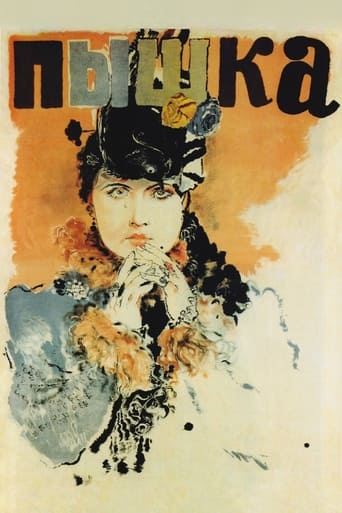
Titles linked here include Boule de Suif (1934), The Last Night (1936).
When was Tatyana Okunevskaya born and when did she die?
Born March 3, 1914; died May 16, 2002.
What awards did Tatyana Okunevskaya win?
During her lifetime, Okunevskaya did not receive formal acting awards due to her interrupted career and political persecution. Her main recognition came posthumously and through her official rehabilitation by the Soviet government in 1956, which acknowledged her as a victim of political repression.
What was Tatyana Okunevskaya's acting style?
Okunevskaya was known for her naturalistic and emotionally nuanced acting style, which was unusual for Soviet cinema of the 1930s that often favored more theatrical performances. She brought psychological depth and subtlety to her roles, using minimal gestures to convey complex emotions and creating characters that felt authentic and relatable.