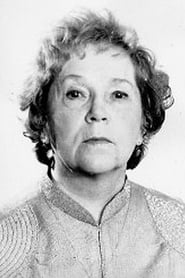
Galina Novozhilova
Actor
Born: January 15, 1924 in Moscow, Soviet Union Died: June 8, 1998 Active: 1947-1954 Birth Name: Galina Ivanovna Novozhilova
Films
6 films

About Galina Novozhilova
Prominent Soviet voice actress who gained recognition during the Golden Age of Soviet animation in the late 1940s and early 1950s. She worked primarily with the Soyuzmultfilm studio, lending her distinctive voice to some of the most beloved animated characters in Soviet cinema history. Her the crucial post-war period when Soviet animation was establishing its artistic identity and producing timeless classics that would become cultural touchstones for generations. Novozhilova specialized in voicing young female protagonists in fairy tale adaptations, bringing warmth and authenticity to characters that captured the hearts of Soviet audiences. Her vocal performances were characterized by their clarity, emotional depth, and ability to convey both innocence and strength. Despite the challenges faced by artists during the Stalin era, she managed to create a body of work that has endured as an essential part of Soviet cultural heritage. Her contributions helped establish the high artistic standards that would define Soviet animation for decades to come.
The Craft
On Screen
Novozhilova's vocal acting style was characterized by its crystalline clarity, emotional authenticity, and ability to convey both childlike innocence and mature determination. She possessed a remarkable talent for modulating her voice to suit different age ranges, making her particularly effective in voicing young protagonists. Her performances were marked by a natural, unforced quality that avoided the artificiality sometimes associated with early voice acting, instead delivering lines with genuine emotional resonance. She excelled at bringing fairy tale characters to life with warmth and humanity, making fantastical situations feel relatable and real.
Milestones
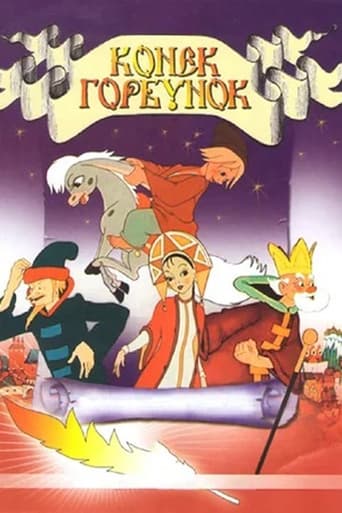
- Voice debut in The Hunchedback Horse (1947)
- Iconic performance in Geese-Swans (1949)
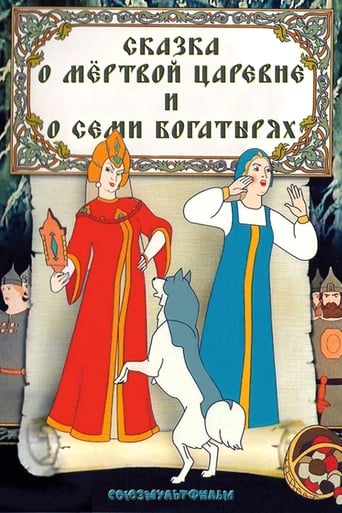
- Lead role in The Tale of the Dead Princess and the Seven Knights (1951)
- Collaboration with renowned Soviet animation directors
- Contribution to establishing Soviet animation's golden era
Best Known For
Iconic Roles
Must-See Films
Accolades
Won
- Honored Artist of the RSFSR (1969)
Nominated
- Stalin Prize nomination for voice acting (1951)
Special Recognition
- Order of the Badge of Honor (1976)
- Veteran of Labor medal (1985)
Working Relationships
Worked Often With
Studios
Why They Matter
Impact on Culture
Galina Novozhilova's voice work played a crucial role in shaping the cultural landscape of Soviet animation during its formative golden age. Her performances in classic fairy tale adaptations helped establish a distinctive Soviet animation aesthetic that emphasized emotional depth and humanistic values. The characters she voiced became beloved figures in Soviet childhood, with her voice becoming instantly recognizable to millions of viewers across the Soviet Union. Her work contributed to the creation of a shared cultural vocabulary that transcended regional differences within the vast Soviet territory, helping to unify diverse populations through common cultural experiences. The films featuring her voice continue to be broadcast and cherished in post-Soviet countries, testament to the enduring appeal of her performances.
Lasting Legacy
Novozhilova's legacy endures through the timeless animated classics that continue to captivate audiences decades after their creation. Her work in voice acting helped establish professional standards for vocal performance in Soviet animation, influencing generations of voice actors who followed. The characters she brought to life remain cultural icons in Russia and former Soviet republics, with her voice being synonymous with the golden age of Soviet animation. Her contributions are studied in film schools as examples of how voice acting can elevate animated storytelling beyond mere technical achievement to true artistic expression. The preservation and restoration of her films have introduced her work to new international audiences, earning her recognition as one of the important figures in the history of world animation.
Who They Inspired
Novozhilova influenced subsequent generations of Soviet and Russian voice actors through her naturalistic approach to vocal performance. Her technique of blending theatrical training with the specific demands of animation became a model for voice acting education in Soviet film schools. Many voice actors who worked on later Soviet animated productions cited her performances as inspiration for their own work. Her success demonstrated that voice acting could be a respected artistic discipline in its own right, helping to elevate the status of voice performers within the Soviet film industry. Contemporary Russian voice actors continue to reference her work when discussing the art of bringing animated characters to life with authentic emotion and personality.
Off Screen
Galina Novozhilova led a relatively private life away from the spotlight, focusing on her craft and family. She married fellow theater actor Viktor Pavlovich Morozov in 1950, and they had two children together. Despite her success in animation, she maintained connections with traditional theater throughout her life, occasionally performing in radio dramas and children's theater productions. After her voice acting career wound down in the mid-1950s, she dedicated herself to teaching voice techniques to young actors at the Moscow Art Theatre School.
Education
Moscow Art Theatre School (MKhAT), graduated 1946
Family
- Viktor Pavlovich Morozov (1950-1985)
Did You Know?
- Novozhilova was discovered while performing in a university theater production
- She was only 23 when she voiced her first major animated role
- Her voice was considered ideal for fairy tale characters due to its youthful quality
- She often recorded her lines alone in the studio, a common practice at the time
- Despite her success, she never appeared on camera in any films
- She was one of the few voice actors credited by name in early Soviet animations
- Her daughter followed in her footsteps and became a theater director
- She maintained lifelong friendships with several animation directors she worked with
- Her voice work was used in Soviet propaganda films during World War II
- She was known for preparing extensively for each role, studying the original fairy tales
In Their Own Words
A voice must touch the heart before it reaches the ears
When voicing a child, I become that child completely
Animation gives life to drawings, but voice gives them a soul
Every fairy tale character deserves their own unique voice, not just a pretty one
The magic happens when the audience forgets they're listening to an actor
Frequently Asked Questions
Who was Galina Novozhilova?
Prominent Soviet voice actress who worked during the golden age of Soviet animation in the late 1940s and early 1950s. She specialized in voicing young female protagonists in fairy tale adaptations for the Soyuzmultfilm studio, creating some of the most beloved characters in Soviet animation history.
What films is Galina Novozhilova best known for?
Titles linked here include The Hunchedback Horse (1947), Geese-Swans (1949).
When was Galina Novozhilova born and when did she die?
Born January 15, 1924; died June 8, 1998.
What awards did Galina Novozhilova win?
Novozhilova received the title of Honored Artist of the RSFSR in 1969, recognizing her significant contributions to Soviet arts and culture. She was also nominated for a Stalin Prize in 1951 for her voice acting work and received the Order of the Badge of Honor in 1976 and the Veteran of Labor medal in 1985 for her artistic achievements.
What was Galina Novozhilova's acting style?
Novozhilova's vocal acting style was characterized by its natural, unforced quality and emotional authenticity. She possessed a remarkable ability to voice young characters with genuine warmth and clarity, avoiding artificiality while bringing fairy tale protagonists to life with relatable human emotions. Her technique blended theatrical training with the specific demands of animation, creating performances that felt both magical and deeply human.