

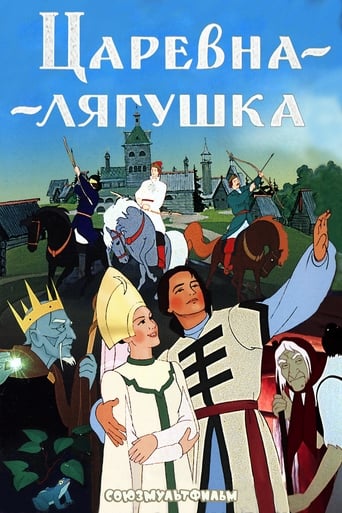
The Hunchedback Horse
"Adventures Ivan Fool."
Keys: Space play/pause · ←/→ 10s · F fullscreen · M mute · </> speed
About this film
Adventures of Ivan the Fool and humpbacked horse in the world of kind magical creatures and cruel people.
Cast & crew
More films like this

More Adventure films
View all →

More from Ivan Ivanov-Vano
View all →



More about this film
About the production
Release dateNovember 7, 1947
Box officeUnknown - Soviet box office data was not systematically recorded in the same way as Western markets
ProductionSoyuzmultfilm
Filmed inMoscow, Soviet Union
The film was created using traditional hand-drawn animation techniques combined with rotoscoping for more realistic character movements. The production team worked for over two years to complete this ambitious project, which was one of the first full-length animated features produced by the newly established Soyuzmultfilm studio. The animators faced significant challenges in creating the magical effects and the distinctive character designs, particularly the hunchbacked horse itself. The film's production coincided with the post-WWII reconstruction period in the Soviet Union, which meant limited resources but also a strong emphasis on creating uplifting cultural content for the population.
Themes
Justice and fairnessWisdom over wealthThe power of friendshipThe triumph of the common personMagic and wonder
Themes & topics
fairy talemagic horsepeasant herotsartransformationadventureRussian folkloreFirebirdmagical powersunderwater kingdomjusticefriendship
Historical background
The 1947 release of The Hunchedback Horse belongs to its era's exhibition habits rather than today's franchise model.
Why this film matters
Restorations and festival bookings keep The Hunchedback Horse visible among classic-film communities.
Making of
The production of 'The Hunchbacked Horse' was a monumental undertaking for the young Soyuzmultfilm studio, which had been established just a year earlier in 1936. Director Ivan Ivanov-Vano assembled a team of over 100 artists and animators to bring Yershov's beloved poem to life. The team faced numerous technical challenges, particularly in animating the magical sequences and the distinctive movements of the hunchbacked horse. They used a combination of traditional cel animation and innovative techniques like multiplane cameras to create depth and dimension. The voice recording sessions were particularly challenging as the actors had to match their performances to the already-completed animation, a common practice in Soviet animation of the era. The film's score, composed by Anatoly Lepin, incorporated elements of Russian folk music to enhance the fairy tale atmosphere. The production took place during difficult post-war conditions, with many animators working in makeshift studios and dealing with shortages of materials. Despite these challenges, the team's dedication resulted in what many consider a masterpiece of Soviet animation.
What critics said
Specialist critics today emphasize preservation when a viewable copy of The Hunchedback Horse survives.
Did you know?
- The film is based on Pyotr Yershov's 1834 fairy tale poem 'The Hunchbacked Horse,' which is considered especially beloved works of Russian children's literature
- Director Ivan Ivanov-Vano is often called the 'patriarch of Soviet animation' and founded the animation department at the VGIK film school
- The hunchbacked horse character design was so popular that it became an iconic symbol of Soviet animation
- The film was one of the first Soviet animated features to be distributed internationally, helping establish Soviet animation's reputation abroad
- The voice actors were some of the most prominent performers in Soviet theater and film of the era
- The film's success led to multiple remakes and adaptations, including a 1975 version and a 2021 3D animated version
- The original fairy tale was censored by Tsarist authorities for its satirical portrayal of the ruling class
- The animation team used innovative techniques for the time, including multi-layered backgrounds and complex color palettes
- The film was restored in the 2000s as part of a major project to preserve classic Soviet animations
- The hunchbacked horse's magical abilities include flying, shrinking, growing, and understanding human speech
Awards & recognition
- Stalin Prize, Second Degree (1948) - Awarded to director Ivan Ivanov-Vano and the production team
- State Prize of the RSFSR (1948) - For outstanding contribution to Soviet cinema
- Special Recognition at the Karlovy Vary International Film Festival (1948)
Visual style
The film's visual style represents a distinctive approach to animation that blends Russian folk art traditions with contemporary animation techniques. The backgrounds feature rich, painterly compositions inspired by Russian Orthodox iconography and folk paintings, creating a uniquely Slavic visual aesthetic. The character designs combine stylized proportions with expressive movements, particularly in the animation of the hunchbacked horse, whose magical abilities are conveyed through fluid, dynamic sequences. The color palette emphasizes warm earth tones and vibrant primary colors, reflecting both folk art traditions and the technical limitations of the era. The animation team used multiplane camera techniques to create depth and dimension, particularly in the magical sequences involving flight and transformation. The visual storytelling often employs long, flowing camera movements that give the film a cinematic quality uncommon in animation of the period. Light and shadow are used dramatically to enhance the magical elements of the story, with glowing effects for the horse's magical abilities and rich atmospheric lighting for the various settings.
Innovations
The film represented several technical innovations for Soviet animation, including advanced use of the multiplane camera system to create depth and dimension in the backgrounds. The animation team developed new techniques for creating magical effects, particularly the glowing aura around the hunchbacked horse and the fire effects for the Firebird sequence. The film featured some of the most complex character animation yet attempted in Soviet features, with particular attention paid to the horse's unique movements and expressions. The production team also pioneered new methods for synchronizing voice recordings with animation, improving lip-sync accuracy over previous Soviet productions. The color processing techniques used created unusually vibrant and stable colors for the period, helping the film maintain its visual impact over decades. The animation of water and other natural elements was particularly sophisticated for its time, using multiple layers of transparent cels to create realistic movement. The film's success in these technical areas helped establish new standards for quality in Soviet animation production.
Music
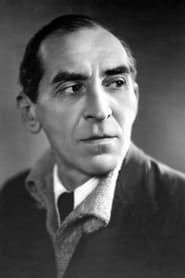
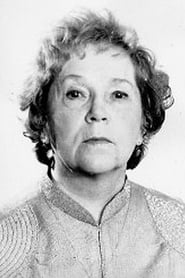
The musical score was composed by Anatoly Lepin, who incorporated elements of traditional Russian folk music into his orchestral arrangements. The soundtrack features prominent use of Russian folk instruments like the balalaika, gusli, and domra, creating an authentic folk atmosphere while maintaining the sophistication of a symphonic score. The main theme associated with the hunchbacked horse became particularly famous and is still recognizable to many Russians today. The songs throughout the film, based on verses from Yershov's original poem, were composed to be both memorable and character-driven, advancing the narrative while establishing the fairy tale mood. The sound design was innovative for its time, particularly in creating the magical effects associated with the horse's powers - the flying sequences feature sweeping musical motifs that enhance the sense of wonder and freedom. The voice performances by Anatoliy Kubatskiy (as Ivan), Georgi Millyar (as the Tsar), and Valentina Sperantova (as the maiden) were recorded with careful attention to matching the emotional tone of the animation, creating a seamless audiovisual experience.
Famous quotes
Do not be sad, Ivanushka! I will help you in everything - The hunchbacked horse
A fool is not the one who was born foolish, but the one who cannot learn - The Tsar
Magic lives in the heart of those who believe - Opening narration
Even the smallest horse can carry the greatest hero - Ivan
True wealth is not in gold, but in good deeds - The hunchbacked horse
Memorable scenes
- The first appearance of the hunchbacked horse, emerging from the sea as a tiny but magical creature
- The flying sequence where Ivan rides the horse above the clouds, with sweeping animation and beautiful background art
- The Firebird chase scene, featuring innovative use of color and light effects
- The underwater kingdom sequence, with its unique visual style and ethereal atmosphere
- The transformation scene where the hunchbacked horse demonstrates his magical powers
- The final confrontation with the Tsar, where Ivan's cleverness triumphs over royal power
What audiences thought
The film was enormously popular with Soviet audiences upon its release, with theaters reporting sold-out showings for weeks. Children particularly embraced the magical story and the charming hunchbacked horse character, making the film a staple of Soviet childhood for generations. Parents appreciated its educational value in introducing children to classic Russian literature. The film's popularity endured through the decades, with regular television broadcasts making it a holiday tradition for many Soviet families. Even after the collapse of the Soviet Union, the film retained its beloved status in Russia and other former Soviet republics. International audiences who have discovered the film through retrospectives and home video releases have responded positively to its unique visual style and universal themes of justice and friendship. The film's emotional resonance and timeless story have allowed it to transcend its original political context and continue to find new audiences around the world.
Film connections
Influenced by
- Pyotr Yershov's 1834 poem 'The Hunchbacked Horse'
- Russian folk tales and bylinas
- Russian Orthodox iconography
- Traditional Russian lubok prints
- Disney's 'Snow White and the Seven Dwarfs' (1937) - as a technical inspiration for feature-length animation
- Alexander Pushkin's fairy tales
- Russian folk art traditions
This film influenced
- The Snow Queen (1957) - another Soyuzmultfilm classic
- Hedgehog in the Fog (1975) - in its poetic approach to animation
- The Tale of the Fisherman and the Fish (1950) - similar folk tale adaptation
- Later Soviet fairy tale animations
- Contemporary Russian animated features based on folk tales
Film restoration
The original film elements were preserved in the Gosfilmofond archive in Moscow. The film underwent a major digital restoration in the early 2000s as part of a project to preserve classic Soviet animations. The restored version features improved color, sound, and image quality while maintaining the original artistic intent. The film is considered well-preserved compared to many other animations of its era, thanks to the Soviet system's emphasis on cultural preservation. Multiple 35mm prints exist in archives worldwide, and digital copies are maintained by several film institutions. The restoration work revealed the sophistication of the original animation and color techniques, confirming the film's status as a technical and artistic achievement.
Where to watch
- Available on Russian streaming services like Kinopoisk and Okko
- DVD releases from Russian distributors including RUSCICO
- Occasionally screened at film festivals and animation retrospectives
- Available on some international streaming platforms specializing in classic cinema
- Can be found on YouTube in various quality versions (some official)
- Available through the Criterion Channel during special programming
- Archival screenings at film museums and cultural institutions