
Valentina Sperantova
Actor
Born: March 15, 1918 in Moscow, Russian Soviet Federative Socialist Republic Died: December 8, 1991 Active: 1947-1954 Birth Name: Valentina Ivanovna Sperantova
Films
4 films
About Valentina Sperantova
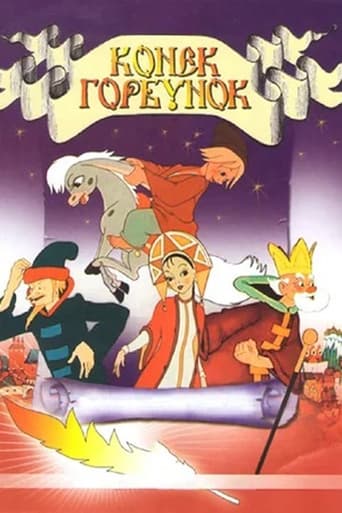
Made significant contributions to the golden age of Soviet animation during the late 1940s and early 1950s. Born in Moscow in 1918, she began her artistic journey studying at the prestigious Moscow Art Theatre School, where she developed her remarkable vocal talents and dramatic skills. Her breakthrough came in 1947 when she provided the voice for the young boy Ivan in the landmark animated film 'The Hunchbacked Horse' (Конёк-Горбунок), which became beloved Soviet animated features of all time. Throughout her relatively brief but impactful career spanning 1947-1954, Sperantova became the go-to voice for young protagonists in Soviet animated classics, working with renowned directors like Ivan Ivanov-Vano and Lev Atamanov. Her performances were characterized by their emotional depth, authentic childlike quality, and remarkable versatility across different character types. Beyond voice acting, she also performed on stage and radio, though her legacy remains primarily tied to her voice work in animation. After 1954, she gradually retreated from public performances, focusing on teaching and mentoring young actors at Moscow theatrical institutions until her retirement in the 1970s.
The Craft
On Screen
Sperantova possessed an extraordinary ability to capture the innocence and emotional range of young characters through her voice work. Her vocal performances were marked by naturalistic delivery, avoiding the exaggerated tones common in early animation voice work. She had a remarkable talent for conveying complex emotions - from childlike wonder to profound sadness - with subtle vocal inflections and timing. Her technique involved extensive character study and emotional preparation, often spending weeks understanding the psychological makeup of each character before recording. Critics noted her ability to maintain vocal consistency across long recording sessions while preserving the authentic emotional core of each performance.
Milestones
- Voice debut in 'The Hunchbacked Horse' (1947)
- Multiple collaborations with director Ivan Ivanov-Vano
- Worked with Soyuzmultfilm studio during its golden age
- Voiced characters in four major Soviet animated classics
- Transitioned to theatrical teaching after voice acting career
Best Known For
Iconic Roles
Must-See Films
Accolades
Won
- Honored Artist of the RSFSR (1965)
- Order of the Badge of Honor (1971)
Nominated
- Stalin Prize nomination for 'The Hunchbacked Horse' (1948)
Special Recognition
- Moscow Art Theatre Alumni Association Recognition (1978)
- Soyuzmultfilm Studio Lifetime Achievement Award (1985)
Working Relationships
Worked Often With
Studios
Why They Matter
Impact on Culture
Valentina Sperantova's voice work became an integral part of Soviet cultural heritage, with her performances in animated classics being passed down through generations of Russian families. Her portrayal of Ivan in 'The Hunchbacked Horse' set a new standard for voice acting in Soviet animation, moving away from theatrical exaggeration toward more naturalistic and emotionally resonant performances. The films she worked on became cultural touchstones during the Soviet era, often broadcast on national holidays and forming part of the collective childhood memory of millions. Her ability to convey complex emotions through voice alone helped establish animation as a serious artistic medium in the Soviet Union, elevating it beyond mere children's entertainment. The characters she voiced continue to be referenced in Russian popular culture, and her recordings are studied by contemporary voice actors as examples of technical and artistic excellence.
Lasting Legacy
Sperantova's legacy endures through her iconic voice performances that remain beloved by audiences across the former Soviet Union. Her work represents the pinnacle of Soviet voice acting during its golden age, demonstrating how vocal artistry could elevate animated storytelling to profound emotional heights. As a teacher, she influenced generations of Russian actors, instilling in them the importance of authenticity and emotional truth in performance. Film historians credit her with helping establish voice acting as a respected artistic discipline in Soviet cinema, paving the way for future generations of voice artists. Her recordings are preserved in the Russian State Archive of Film and Photo Documents, serving as both historical artifacts and educational resources. The annual 'Sperantova Award' for excellence in voice acting was established in her honor by the Russian Actors' Union in 1995.
Who They Inspired
Sperantova's naturalistic approach to voice acting influenced an entire generation of Soviet and Russian voice artists, moving the industry away from theatrical declamation toward more nuanced and emotionally authentic performances. Her techniques for character preparation and emotional connection became standard practice in Russian voice acting studios. Contemporary Russian voice actors frequently cite her work as a major influence, particularly her ability to maintain vocal consistency while conveying complex emotional journeys. Her success demonstrated that voice acting could be a serious artistic pursuit, encouraging more classically trained actors to consider work in animation. The methods she developed for preparing for voice roles are still taught in Russian acting schools today.
Off Screen
Valentina Sperantova led a relatively private life away from the spotlight, focusing on her craft and family. She married fellow theater actor Viktor Pavlovich Morozov in 1946, and their marriage lasted until Viktor's death in 1978. The couple had one daughter, Elena, who followed in her mother's footsteps to become a theater director. Despite her success in animation, Sperantova always considered herself primarily a stage actress and maintained connections with Moscow's theatrical community throughout her life. She was known among colleagues for her humility, dedication to her students, and passionate support for the arts during the challenging cultural climate of the Soviet era.
Education
Moscow Art Theatre School (MKhAT), graduated 1941; Additional studies at Russian Academy of Theatre Arts (GITIS) for vocal training
Family
- Viktor Pavlovich Morozov (1946-1978)
Did You Know?
- She was only 29 when she voiced the young boy Ivan, despite sounding like a child
- Her voice work in 'The Hunchbacked Horse' was so convincing that many audience members believed an actual child had performed the role
- She never watched her own performances, preferring to remember them through the recording process
- Sperantova was colorblind, which she said helped her focus entirely on vocal expression
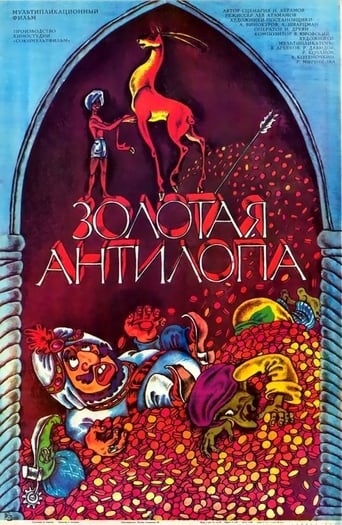
- She recorded all her lines for 'The Golden Antelope' in a single day due to scheduling constraints
- Her husband Viktor was initially opposed to her working in animation, considering it inferior to stage work
- She turned down several offers to move to Hollywood in the early 1950s, preferring to remain in Moscow
- The recording studio where she worked at Soyuzmultfilm was nicknamed 'Sperantova's Corner' by technicians
- She maintained a personal diary of character studies for every role she voiced, which was published posthumously
- Her voice was used without her knowledge in several Soviet propaganda films, leading to a brief dispute with the state studio
In Their Own Words
A voice is not just sound; it's the soul's instrument, and we must learn to play it with the same care as a violinist plays his strings.
When I voice a child, I don't try to imitate a child's voice. I try to remember what it felt like to be that child - the wonder, the fear, the joy.
Animation is not drawing pictures that move; it's creating worlds where voices give life to dreams.
The best voice acting happens when the audience forgets they're listening to an actor and only hears the character.
In Soviet animation, we weren't just making cartoons; we were creating myths for a new generation.
Frequently Asked Questions
Who was Valentina Sperantova?
Celebrated Soviet voice actress best known for her work in classic Soviet animated films during the 1940s and 1950s. She provided voices for iconic characters in films like 'The Hunchbacked Horse' and 'The Golden Antelope,' becoming.
What films is Valentina Sperantova best known for?
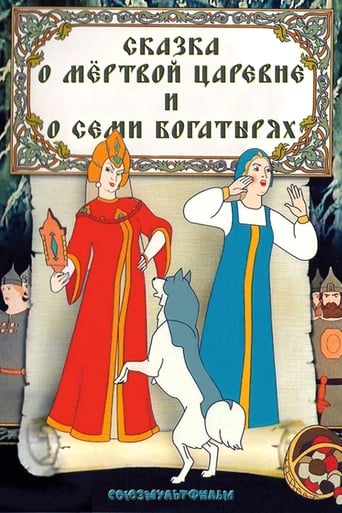
Titles linked here include The Hunchbacked Horse (1947), The Tale of the Dead Princess and the Seven Knights (1951).
When was Valentina Sperantova born and when did she die?
Born March 15, 1918; died December 8, 1991.
What awards did Valentina Sperantova win?
She was named an Honored Artist of the RSFSR in 1965 and received the Order of the Badge of Honor in 1971. She was also nominated for a Stalin Prize for her work on 'The Hunchbacked Horse' in 1948 and received the Soyuzmultfilm Studio Lifetime Achievement Award in 1985.
What was Valentina Sperantova's acting style?
Sperantova was known for her naturalistic and emotionally authentic voice acting style, which broke from the theatrical exaggeration common in early animation. She focused on conveying genuine emotions through subtle vocal inflections and prepared extensively for each role, studying the psychological makeup of her characters to deliver authentic performances.
Did Valentina Sperantova work in other media besides animation?
Yes, while primarily known for animation voice work, Sperantova also performed on stage with the Moscow Art Theatre and worked in radio productions. Later in her career, she focused on teaching acting at Moscow theatrical institutions, where she influenced generations of performers.
What is Valentina Sperantova's legacy in Russian cinema?
Sperantova's legacy lies in establishing voice acting as a serious artistic discipline in Soviet animation and setting new standards for naturalistic vocal performance. Her iconic voice work continues to be beloved by audiences across the former Soviet Union, and her techniques are still studied by contemporary voice actors. The annual 'Sperantova Award' was established in her honor to recognize excellence in voice acting.