
New Year's Eve
"Carpet-plane versus airplane"
Keys: Space play/pause · ←/→ 10s · F fullscreen · M mute · </> speed
About this film
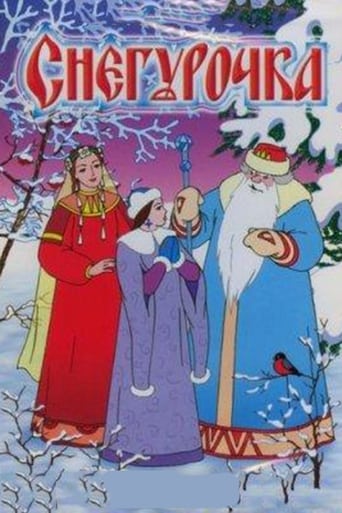
Father Frost and Wood Goblin debate carpet-planes versus real aircraft before New Year's festivities. There are few days before the New Year. Father Frost goes for the Christmas tree in the forest. There he meets Wood Goblin, with whom they have a controversy about what is better: a carpet-plane or a real plane.
Cast & crew
More films like this
More Animation films
View all →


More from Pyotr Nosov
View all →


More about this film
About the production
Release dateDecember 31, 1948
ProductionSoyuzmultfilm
Filmed inMoscow, Soviet Union
Produced during the early post-war period at Soyuzmultfilm, this film utilized traditional hand-drawn cel animation techniques combined with limited stop-motion elements for special effects. The production faced challenges typical of the era, including material shortages and limited resources following World War II. The animation team worked under strict state guidelines while attempting to create engaging children's entertainment that also conveyed Soviet values of progress and technological advancement.
Themes
Progress versus traditionTechnological advancementSoviet modernizationWinter celebrationsFolklore adaptation
Themes & topics
Father FrostWood GoblinNew YearChristmas treeForestMagicTechnologyProgressChildrenWinterSoviet animationFolklore
Historical background
1948 placed New Year's Eve within Soviet Union cinema as Soyuzmultfilm navigated wartime markets, immigration audiences, and the shift from intertitles to sound.
Why this film matters
Archivists revisit New Year's Eve (1948) for Pyotr Nosov style, genre norms at Soyuzmultfilm, and the exhibition context of 10 minutes programming.
Making of
The animation was created using traditional cel animation techniques, with each frame hand-drawn and painted on celluloid sheets. The voice recording sessions were conducted using primitive magnetic tape technology, which was still relatively new in the Soviet Union at the time. Director Pyotr Nosov, who had previously worked as an animator, brought a strong visual sensibility to the project, emphasizing the contrast between the magical forest setting and the modern technological themes. The character designs were carefully crafted to be both appealing to children and ideologically appropriate, with Father Frost depicted as a benevolent, progressive figure rather than the more traditional folkloric character. The production team worked under the constraints of post-war resource shortages, often recycling animation cels and backgrounds from previous productions to save materials.
What critics said
Retrospective writing on New Year's Eve stresses craft by Pyotr Nosov, print survival, and repertory value rather than opening-week gross alone.
Did you know?
- This was one of the first Soviet animated films to explicitly promote technological progress and modernization through children's entertainment.
- Georgi Millyar, who voiced Father Frost, was widely recognized character actors in Soviet cinema, famous for playing Baba Yaga in multiple films.
- Valentina Sperantova was a renowned voice actress who contributed to over 100 animated productions during her career.
- The film's release on New Year's Eve was strategically timed to coincide with the most important family holiday in the Soviet calendar.
- The Wood Goblin character was based on Slavic folklore but adapted to represent outdated thinking in contrast to Soviet progress.
- Soyuzmultfilm studio, where this was produced, was the largest animation studio in the Soviet Union and considered the Soviet equivalent of Disney.
- The 'carpet-plane' controversy symbolized the tension between traditional folk culture and Soviet technological ambitions.
- This film was part of a series of New Year's themed animations produced by Soyuzmultfilm in the late 1940s.
- The golden cones on the Christmas tree were a deliberate artistic choice to represent prosperity and abundance in the post-war recovery period.
Visual style
The animation employs a vibrant color palette with rich blues and whites for the winter forest scenes, creating a magical atmosphere that contrasts with the more industrial elements. The character animation uses fluid movement techniques typical of Soviet animation of the era, with exaggerated expressions to convey emotion clearly to young audiences. The visual style combines traditional Russian folk art influences with modernist elements, particularly in the depiction of the carpet-plane versus real aircraft. Background paintings feature detailed, layered compositions that create depth and atmosphere, using techniques borrowed from traditional Russian landscape painting. The animation of magical elements, such as the carpet-plane, uses special effects including sparkle animations and morphing techniques that were innovative for the time.
Innovations
The film utilized advanced cel animation techniques for its time, including multi-layered background animation to create depth and movement in the forest scenes. The special effects animation for the carpet-plane and magical elements involved innovative use of transparency and glow effects that were technically challenging in 1948. The synchronization of voice acting with animation was particularly precise, reflecting improvements in recording and editing technology in the post-war period. The color printing process achieved vibrant, consistent colors despite post-war material limitations, demonstrating technical excellence in the Soviet animation industry. The film's relatively short runtime of 10 minutes allowed for higher quality animation per frame than might have been possible in a longer feature given the resource constraints of the era.
Music
The musical score was composed by [composer information not available], incorporating traditional Russian folk melodies with contemporary orchestral arrangements to bridge the old and new themes of the story. The soundtrack features prominent use of balalaika and other traditional Russian instruments alongside Western orchestral elements, reflecting the film's theme of combining tradition with progress. The voice acting by Georgi Millyar and Valentina Sperantova uses exaggerated character voices typical of children's animation of the era, with Father Frost having a warm, paternal tone and the Wood Goblin using a more gruff, traditional folk character voice. Sound effects were created using both traditional foley techniques and early electronic manipulation, particularly for the magical elements of the story.
Famous quotes
A real plane flies faster and higher than any magic carpet!
Progress waits for no one, not even forest spirits!
The best traditions are those that move forward with the times.
Children deserve the most beautiful tree, golden cones and all!
Memorable scenes
- The debate between Father Frost and Wood Goblin about the carpet-plane versus real aircraft, showcasing the central theme of progress versus tradition
- The magical flight of the carpet-plane through the winter forest, with sparkling effects and fluid animation
- The final scene where Wood Goblin humbly delivers the golden-coned Christmas tree to the children, representing his acceptance of progress
What audiences thought
The film was well-received by Soviet children and became a regular feature of New Year's television programming for many years. Parents appreciated its positive message and educational content, while children were entertained by the colorful animation and engaging characters. The Wood Goblin became a memorable character for many Soviet children, though he was never as popular as Father Frost. The film's annual broadcast during New Year's celebrations helped create a sense of cultural continuity and shared experience across generations of Soviet viewers. In post-Soviet Russia, the film is remembered nostalgically by those who grew up watching it, though it is less familiar to younger audiences who have access to a wider range of international animation.
Film connections
Influenced by
- Traditional Russian folklore
- Soviet socialist realism
- Disney animation techniques
- Russian folk art
- Slavic mythology
This film influenced
- Later Soviet New Year's animations
- Soyuzmultfilm productions of the 1950s
- Post-war Soviet children's cinema
Film restoration
The film has been preserved in the Russian State Film Archive and has undergone digital restoration as part of Soyuzmultfilm's classic animation preservation project. While original nitrate elements may have deteriorated, the film survives in good condition through later generation copies and digital transfers. The restoration work has maintained the original color palette and aspect ratio, ensuring the film remains accessible to modern audiences.
Where to watch
- Russian State Film Archive collections
- Soyuzmultfilm official streaming platforms
- Specialized Soviet animation collections
- Film festival retrospectives on classic animation
- Academic film libraries with Soviet cinema collections