Pyotr Nosov
Director
Born: January 15, 1907 in Moscow, Russian Empire Died: August 21, 1971 Active: 1936-1960 Birth Name: Pyotr Petrovich Nosov
Films
4 films


About Pyotr Nosov
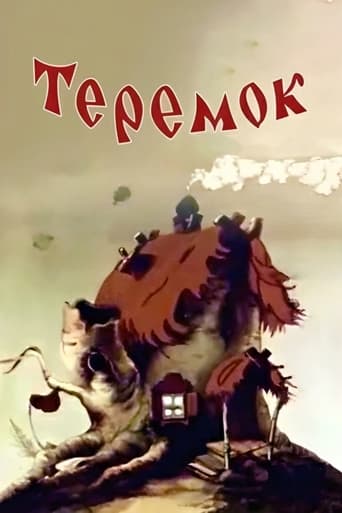
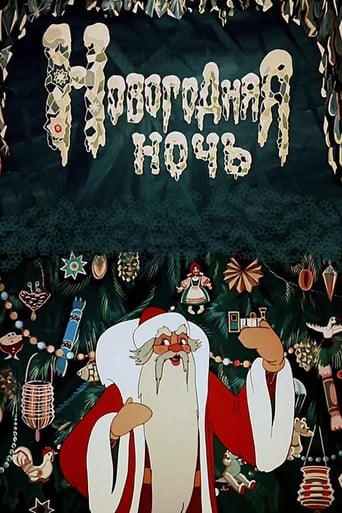
Pyotr Petrovich Nosov — prominent Soviet animation director and artist who made significant contributions to the golden age of Soviet animation. He began his career at the newly formed Soyuzmultfilm studio in the 1930s, where he developed his distinctive style of animated storytelling. Nosov gained recognition for his ability to adapt traditional Russian fairy tales and folklore into engaging animated films that resonated with both children and adults. His 1945 film 'Teremok' became beloved Soviet animated classics, showcasing his mastery of character animation and visual storytelling. Throughout the late 1940s, he continued to direct several notable animated shorts, including 'Fear Has Big Eyes' (1946), 'New Year's Eve' (1948), and 'The Guards of the Fields' (1949). Nosov's work was characterized by its charming hand-drawn animation style, attention to detail, and ability to convey complex emotions through simple visual means. His career, though relatively brief in terms of directorial output, on Soviet animation and helped establish many of the aesthetic principles that would define the studio's work for decades.
The Craft
Behind the Camera
Nosov's directing style was characterized by gentle, lyrical storytelling with strong emphasis on visual poetry and emotional expressiveness. He had a particular talent for adapting traditional Russian fairy tales, maintaining their folkloric essence while making them accessible to contemporary audiences. His animation featured fluid character movements, detailed backgrounds, and a warm color palette that created a distinctive visual identity. Nosov often employed simple narrative structures but enriched them with sophisticated visual metaphors and subtle psychological depth, particularly in his character animations.
Milestones
- Directed 'Teremok' (1945), one of Soviet animation's most beloved classics
- Pioneered animation techniques at Soyuzmultfilm during its formative years
- Developed distinctive style for adapting Russian folklore to animation
- Mentored younger animators who would become major figures in Soviet animation
- Contributed to establishing Soyuzmultfilm's international reputation
Best Known For
Must-See Films
Accolades
Won
- Stalin Prize (1950) for contributions to Soviet animation
Special Recognition
- Honored Artist of the RSFSR (1969)
- Order of the Badge of Honor
Working Relationships
Worked Often With
Studios
Why They Matter
Impact on Culture
Pyotr Nosov played a crucial role in establishing the aesthetic foundation of Soviet animation during its golden age. His adaptations of Russian folk tales helped preserve and popularize traditional stories for new generations, creating a cultural bridge between Russia's rich folklore heritage and modern cinematic art. Nosov's work at Soyuzmultfilm contributed to the studio's international reputation for producing high-quality animated films that could compete with Disney's output during the same period. His emphasis on artistic integrity and cultural authenticity set standards that influenced generations of Soviet and Russian animators.
Lasting Legacy
Nosov's legacy lives on through the continued popularity of his films, particularly 'Teremok,' which remains a staple of Russian children's programming and is frequently shown during holidays and special occasions. His techniques for animating folkloric characters and creating atmospheric settings influenced the visual language of Soviet animation for decades. Many of the animators he mentored went on to become major figures in Russian animation, ensuring that his artistic principles and cultural values continued to shape the medium. Today, film scholars and animation historians recognize Nosov as a figure who helped establish a uniquely Russian approach to animated storytelling.
Who They Inspired
Nosov's influence extended beyond his immediate circle of collaborators to impact the broader development of animation in the Soviet Union and beyond. His success in adapting traditional folklore to animation inspired other directors to explore Russia's rich cultural heritage through the medium. The visual techniques he developed, particularly his approach to character design and background art, became reference points for animators throughout the Eastern Bloc. International animators who discovered Soviet animation were often struck by Nosov's distinctive style, which offered an alternative to the dominant Disney aesthetic of the period.
Off Screen
Pyotr Nosov lived a relatively private life focused on his artistic work at Soyuzmultfilm. He was known among colleagues as a dedicated craftsman who often worked long hours perfecting his animations. Despite his significant contributions to Soviet animation, he remained humble and rarely sought public attention, preferring to let his work speak for itself. His personal philosophy emphasized the importance of preserving Russian cultural traditions through the medium of animation.
Education
Moscow Art School (graduated 1929), specialized in graphic arts and illustration before transitioning to animation
Family
- Anna Nosova (1932-1971)
Did You Know?
- Teremok (1945) was based on a classic Russian fairy tale about animals finding refuge in a small wooden house
- Nosov worked as an animator on several films before becoming a director
- His films were often screened alongside live-action features in Soviet theaters
- Nosov was part of the first generation of animators trained specifically for work at Soyuzmultfilm
- Despite his short directorial career, his films have been continuously shown for over 75 years
- His animation techniques were studied by animators from other socialist countries as examples of socialist realist animation
- Nosov preferred working with small teams of animators to maintain artistic control
- His film 'New Year's Eve' (1948) became a traditional holiday film shown annually on Soviet television
- Nosov's background in graphic arts influenced his distinctive visual style
- He was known for his meticulous attention to detail, often spending months perfecting short sequences
In Their Own Words
Animation is not just drawing pictures that move; it is bringing dreams to life through the art of motion
Every frame should tell a story, and every movement should reveal character
Russian fairy tales are the soul of our people, and animation is the perfect medium to share that soul with the world
The magic of animation lies in its ability to make the impossible seem natural and the fantastic seem real
Frequently Asked Questions
Who was Pyotr Nosov?
Soviet animation on YTB.my. He is best known for directing classic animated films like 'Teremok' (1945) and for his contributions to establishing the distinctive style of Soviet animation.
What films is Pyotr Nosov best known for?
Titles linked here include Teremok (1945), Fear Has Big Eyes (1946).
When was Pyotr Nosov born and when did he die?
Born January 15, 1907; died August 21, 1971.
What awards did Pyotr Nosov win?
Nosov received the Stalin Prize in 1950 for his contributions to Soviet animation and was later named an Honored Artist of the RSFSR in 1969. He also received the Order of the Badge of Honor for his artistic achievements.
What was Pyotr Nosov's directing style?
Nosov's directing style featured gentle, lyrical storytelling with strong emphasis on visual poetry and emotional expressiveness. He specialized in adapting Russian folk tales using fluid character animations, detailed backgrounds, and warm color palettes that created a distinctive visual identity for Soviet animation.