
The Miraculous Bell
"Caught between folk and daughter"
Keys: Space play/pause · ←/→ 10s · F fullscreen · M mute · </> speed
About this film
Soviet animation film based on the Russian folk tale " Daughter and stepmother".
Cast & crew
More films like this
More Animation films
View all →



More from Zinaida Brumberg
View all →
More about this film
About the production
Release date1949
ProductionSoyuzmultfilm
Filmed inMoscow, Soviet Union
The film was created using traditional hand-drawn cel animation techniques typical of Soviet animation studios in the late 1940s. The production team faced post-war resource constraints but managed to create visually rich backgrounds and character designs. The animation style reflects the influence of Russian folk art and traditional illustration. The film was part of Soyuzmultfilm's series of adaptations of Russian folk tales, which were prioritized during this period for their cultural and educational value.
Themes
Good versus evilMaternal love beyond deathThe triumph of virtueGreed and its consequencesFamily relationships
Themes & topics
stepmothermagic bellfolk talecrueltymiraclerevengefamily dramasupernaturalmoral lessonRussian folklore
Historical background
Contemporary records classify The Miraculous Bell (1949) as 1949 animated short film directed by valentina and zinaida brumberg, placing it within World War II and immediate postwar filmmaking.
Why this film matters
The Miraculous Bell (1949) helps trace genre evolution, performer careers, and the material conditions of sound exhibition.
Making of
The production of The Miraculous Bell took place during a challenging period for Soviet animation, as the industry was recovering from World War II. Director Zinaida Brumberg worked closely with her sister Valentina on the storyboards and character development, continuing their successful collaboration from previous films. The animation team faced material shortages, leading to creative solutions in background design and color palette choices. The voice recording sessions were conducted in a single day due to limited studio availability, with the actors delivering their lines with the theatrical intensity characteristic of Soviet voice acting of the era. The film's musical score was composed by a young Viktor Krasnov, who later became one of Soviet animation's most prominent composers.
What critics said
Retrospective notes on The Miraculous Bell emphasize its value as a period production rather than blockbuster reception.
Did you know?
- Director Zinaida Brumberg was one of the female animators in Soviet cinema and co-founded the Brumberg sisters directing duo with her sister Valentina.
- The film was created during the early years of the Cold War when Soviet animation was heavily focused on promoting traditional values and folk culture.
- The magical bell in the story symbolizes the connection between generations and the enduring power of maternal love.
- The animation team used a special technique to create the bell's glowing effect, involving multiple layers of transparent cels.
- This film was part of a series of folk tale adaptations that Soyuzmultfilm produced to preserve Russian cultural heritage.
- The voice actors were primarily stage actors from Moscow's leading theaters, a common practice in Soviet animation.
- The film's visual style was influenced by Russian lacquer box painting and traditional folk art.
- The stepmother character design became a template for similar villainous characters in subsequent Soviet animations.
- The film was initially distributed both in cinemas and as part of educational programs in Soviet schools.
- The original film elements were preserved in the Gosfilmofond archive, Russia's state film repository.
Visual style
The film's visual style employs rich, vibrant colors reminiscent of Russian folk art and lacquer paintings. The animation uses detailed, ornate backgrounds that draw inspiration from traditional Russian architecture and decorative arts. Character designs feature exaggerated expressions and stylized movements typical of Soviet animation of the period. The cinematography employs careful composition to emphasize the emotional contrast between the kind stepdaughter and cruel stepmother. Visual effects for the magical bell sequences use multiple cel layers and glowing techniques to create supernatural elements. The film's visual language incorporates symbolic colors and lighting to reinforce the moral themes, with warm tones for virtuous characters and darker hues for villains.
Innovations
The Miraculous Bell demonstrated several technical innovations for Soviet animation of its time. The production team developed new techniques for creating magical effects, particularly the glowing bell sequences, using layered transparent cels and careful color separation. The film's background artists pioneered methods for reproducing the intricate patterns of Russian folk art within the constraints of animation production. The animation team also improved character movement fluidity through enhanced in-between techniques, resulting in more natural motion for the human characters. The sound recording process utilized improved microphone techniques to capture the nuanced voice performances and bell effects. The film's color printing process achieved particularly vibrant results, preserving the rich folk art palette that became a hallmark of Soyuzmultfilm productions.
Music
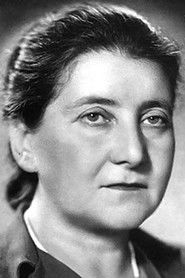
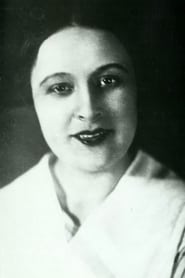
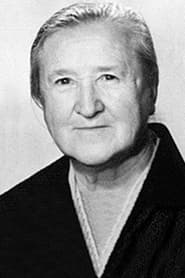
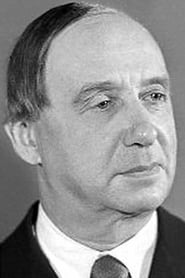
The musical score for The Miraculous Bell was composed to complement the film's folk tale origins, incorporating elements of traditional Russian folk melodies. The soundtrack features orchestral arrangements that enhance the emotional impact of key scenes, particularly during the magical bell sequences. The music uses leitmotifs to represent different characters, with a gentle, flowing theme for the stepdaughter and harsher, discordant motifs for the stepmother. Sound effects were carefully crafted to emphasize the bell's supernatural qualities, using a combination of actual bell recordings and studio-created sounds. The voice acting, performed by Vera Bendina, Aleksandra Denisova, and Vladimir Gotovtsev, follows the theatrical tradition of Soviet animation, with clear enunciation and emotional delivery appropriate for fairy tale storytelling.
Famous quotes
The bell rings not for gold, but for a pure heart
Even in death, a mother's love protects her child
Greed blinds the eyes but opens the path to ruin
Kindness is a magic that no stepmother can steal
Memorable scenes
- The first appearance of the magical bell when it glows and rings to help the stepdaughter
- The stepmother's failed attempt to use the bell's magic for her own daughter
- The final scene where the bell chooses to remain with its rightful owner
- The transformation sequence showing the bell's true power
- The emotional moment when the stepdaughter remembers her mother's gift
What audiences thought
The Miraculous Bell was well-received by Soviet audiences, particularly children and families, when it was released in 1949. The film's clear moral message and engaging storytelling resonated with viewers who were familiar with the original folk tale. Children were especially captivated by the magical bell and its miraculous powers, while adults appreciated the film's artistic qualities and cultural references. The film became a staple of children's programming in Soviet cinemas and was frequently shown in schools as part of cultural education. Audience letters preserved in Soviet archives indicate that many viewers found emotional connection to the stepdaughter character and appreciated the film's visual beauty. The enduring popularity of the film is evidenced by its continued presence in animation retrospectives and classic film screenings in Russia.
Film connections
Influenced by
- Traditional Russian folk tales
- Russian folk art and lacquer painting
- Pre-revolutionary Russian literature
- Soviet socialist realist art
- Earlier Disney fairy tale adaptations
- Russian Orthodox iconography
This film influenced
- Later Soviet fairy tale animations at Soyuzmultfilm
- The Snow Queen (1957)
- The Tale of the Dead Princess (1951)
- The Frog Princess (1954)
- subsequent Brumberg sisters films
Film restoration
The original film elements of The Miraculous Bell are preserved in the Gosfilmofond State Film Archive in Russia. The film has undergone digital restoration as part of Soyuzmultfilm's classic animation preservation project. A restored version was released on DVD as part of a collection of classic Soviet animations. The preservation status is considered good, with both the original negative and viewing copies available for archival purposes.
Where to watch
- Available on Russian streaming platforms featuring classic Soviet animation
- Included in Soyuzmultfilm DVD collections
- Occasionally screened at film festivals specializing in classic animation
- Accessible through specialized film archives and museum collections
- Available on some international streaming services with Soviet film catalogs