
Mikhail Yanshin
Actor
Born: October 20, 1902 in Moscow, Russian Empire Died: May 1, 1976 Active: 1934-1976 Birth Name: Mikhail Ivanovich Yanshin
Films
12 films

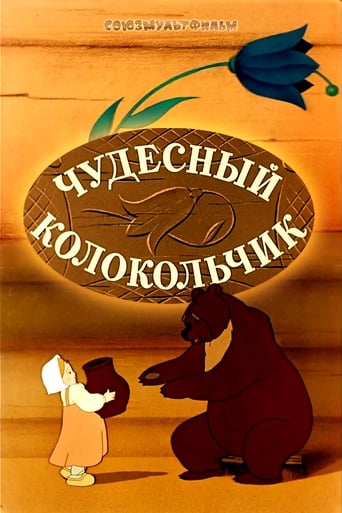
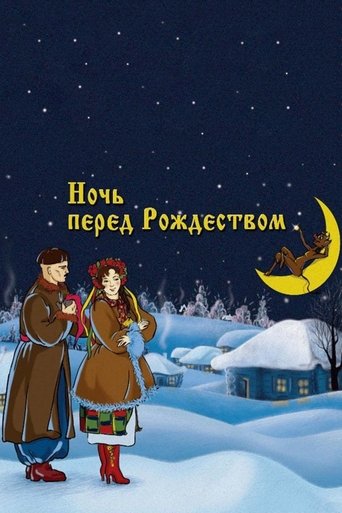
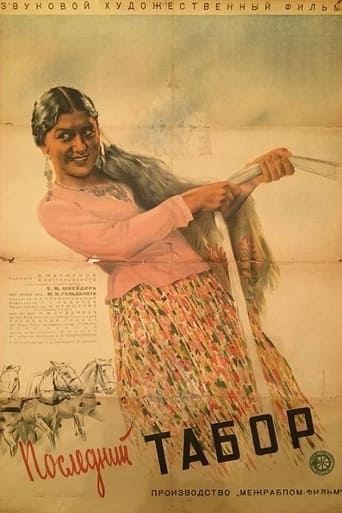
About Mikhail Yanshin
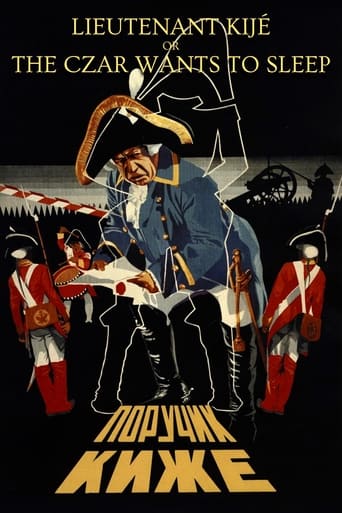
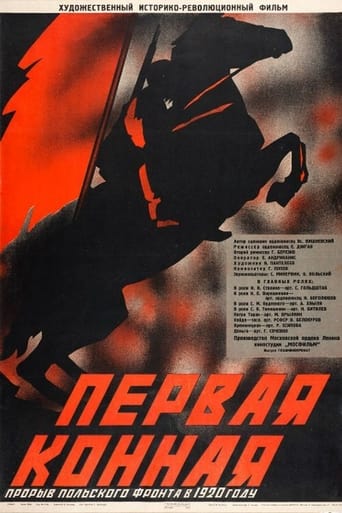
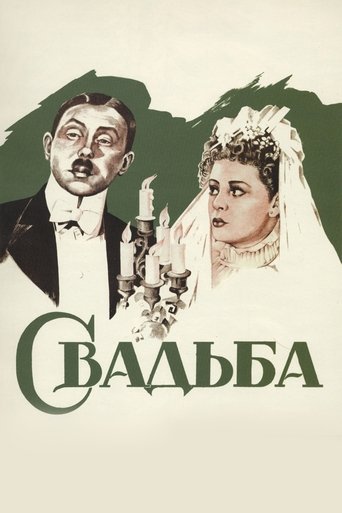
Soviet actor: from the early 1930s through the 1970s, establishing himself as versatile performers of his generation. Born in Moscow in 1902, he began his theatrical career before transitioning to cinema, where he quickly gained recognition for his remarkable ability to embody both comedic and dramatic characters with equal mastery. Yanshin's breakthrough came with his role in 'Lieutenant Kizhe' (1934), a satirical film that showcased his exceptional comedic timing and subtle character work. Throughout his career, he became particularly known for his collaborations with prominent Soviet directors, including Alexander Rou and Grigory Alexandrov, who recognized his unique talent for bringing depth to even the most challenging roles. His performances in films like 'The First Cavalry' (1941) demonstrated his dramatic range, while comedies like 'Wedding' (1944) highlighted his impeccable comic sensibility. Despite the political pressures of the Stalinist era, Yanshin maintained his artistic integrity, often using subtle irony and wit to navigate the constraints of Soviet cinema. His later years saw him continue to work in both film and theater, mentoring younger actors and contributing to the development of Soviet performing arts until his death in 1976.
The Craft
On Screen
Yanshin was renowned for his versatility, seamlessly transitioning between broad comedy and subtle drama. His technique was characterized by meticulous attention to detail, using small gestures and facial expressions to convey complex emotions. He possessed a remarkable ability to find the humanity in even the most exaggerated characters, making them relatable and authentic. His comedic timing was impeccable, often employing irony and subtext to add layers to his performances. Yanshin was particularly skilled at playing characters who were simultaneously comic and tragic, finding the delicate balance between laughter and pathos that defined his most memorable roles.
Milestones
- Breakthrough role in 'Lieutenant Kizhe' (1934)
- Awarded People's Artist of the USSR (1955)
- Prolific stage career at the Moscow Art Theatre
- Mentored generations of Soviet actors
- Received Stalin Prize for artistic achievements
Best Known For
Iconic Roles
Must-See Films
Accolades
Won
- People's Artist of the USSR (1955)
- Stalin Prize (1949)
- Order of Lenin (1967)
- Order of the Red Banner of Labour (1948)
- RSFSR State Prize (1973)
Nominated
- Nominated for various Soviet film awards throughout his career
Special Recognition
- Honored Artist of the RSFSR (1943)
- People's Artist of the RSFSR (1947)
- Moscow Art Theatre Lifetime Achievement Award
Working Relationships
Worked Often With
Studios
Why They Matter
Impact on Culture
Mikhail Yanshin played a significant role in shaping Soviet cinema during the Stalin era, particularly in the development of satirical comedy. His ability to navigate the strict censorship of the time while still delivering meaningful performances made him a model for other actors working under similar constraints. Yanshin's work in films like 'Lieutenant Kizhe' demonstrated how comedy could be used as a vehicle for social commentary, even within the limitations of Soviet ideology. His performances helped define the archetypal Soviet comedic character - the everyman caught in absurd circumstances - which became a recurring theme in Russian cinema. Yanshin's influence extended beyond film to theater, where his interpretations of classic Russian and Soviet plays became reference points for subsequent generations of performers.
Lasting Legacy
Mikhail Yanshin's legacy endures through his extensive body of work in both film and theater, which continues to be studied and appreciated by film scholars and theater practitioners. His approach to character acting, particularly his ability to blend comedy with pathos, influenced generations of Soviet and Russian performers. Many of his films remain classics of Soviet cinema and are regularly featured in retrospectives of Russian film history. The Moscow Art Theatre, where he spent much of his career, continues to honor his memory through archival exhibitions and educational programs. Yanshin's techniques for finding humor in difficult circumstances and his subtle approach to political satire remain relevant in contemporary Russian cinema and theater.
Who They Inspired
Yanshin's influence on Soviet and Russian acting cannot be overstated. His mastery of both comedic and dramatic roles set a standard for versatility that many subsequent actors aspired to achieve. Younger performers, particularly those working in comedy, studied his techniques for timing and character development. His ability to work within the constraints of Soviet censorship while still delivering meaningful performances provided a model for artists working under difficult political conditions. Directors frequently cited his work as an example of how to create memorable characters even in formulaic Soviet productions. Contemporary Russian actors often reference Yanshin when discussing the golden age of Soviet cinema and the artistic principles that defined it.
Off Screen
Mikhail Yanshin was married twice during his lifetime. His first marriage was to actress Natalya Gitsereot, with whom he had a son, Alexander Yanshin, who also became an actor. After their divorce, he married actress Valentina Serova,. Yanshin was known for his dedication to his craft and often spent long hours at the theater, which sometimes strained his personal relationships. Despite his fame, he maintained a relatively private personal life, focusing primarily on his artistic work and mentoring young actors. He was particularly close to his son Alexander, with whom he shared both professional and personal interests in theater and cinema.
Education
Family
- Natalya Gitsereot (1928-1937)
- Valentina Serova (1943-1976)
Did You Know?
- Despite being born in 1902, his film career didn't begin until he was in his early 30s
- He was one of the few actors who successfully transitioned from silent films to talkies in Soviet cinema
- His role in 'Lieutenant Kizhe' was initially considered too controversial by Soviet censors
- Yanshin was known for his photographic memory, rarely forgetting lines during live theater performances
- He maintained a friendship with fellow actor Igor Ilyinsky for over 40 years
- During WWII, he performed for Soviet troops on the front lines
- He was a collector of rare Russian theatrical memorabilia
- Yanshin spoke three languages fluently: Russian, French, and German
- He turned down several offers to work in Hollywood, preferring to remain in the Soviet Union
- His final film appearance was in 1975, just a year before his death
In Their Own Words
Acting is not about becoming someone else, but about revealing the someone else that already exists within you
In comedy, as in life, the most profound truths are often hidden behind the simplest laughter
The theater is not a place for entertainment, but a temple where the human soul is examined and understood
To make people laugh during difficult times is not just an art, but a responsibility
Every character, no matter how small, deserves the same respect and dedication from the actor
Frequently Asked Questions
Who was Mikhail Yanshin?
Soviet with credits in this catalog. Known for his versatility in both comedic and dramatic roles, he appeared in numerous classic Soviet films including 'Lieutenant Kizhe' and 'The First Cavalry.' His active years covered over four decades, during which he also mentored generations of younger actors at the Moscow Art Theatre.
What films is Mikhail Yanshin best known for?
Titles linked here include Lieutenant Kizhe (1934), The First Cavalry (1941).
When was Mikhail Yanshin born and when did he die?
Born October 20, 1902; died May 1, 1976.
What awards did Mikhail Yanshin win?
Yanshin received numerous prestigious awards throughout his career, including the title of People's Artist of the USSR (1955), the Stalin Prize (1949), the Order of Lenin (1967), and the Order of the Red Banner of Labour (1948). He was also named Honored Artist of the RSFSR (1943) and received the RSFSR State Prize in 1973 for his contributions to Soviet arts.
What was Mikhail Yanshin's acting style?
Yanshin was renowned for his exceptional versatility and ability to seamlessly transition between broad comedy and subtle drama. His acting style was characterized by meticulous attention to detail, using small gestures and facial expressions to convey complex emotions. He was particularly skilled at finding the humanity in exaggerated characters and balancing comedy with pathos, making his performances both entertaining and emotionally resonant.