

The Lost Letter
"grandmothers of the Russian animation"
Keys: Space play/pause · ←/→ 10s · F fullscreen · M mute · </> speed
About this film
On a hot August day, a messenger sends the Cossack to the capital with the diploma, meant for the queen, tucked away under his hat. On the road he strikes up an acquaintanceship with a loose Zaporozhet. During a break in their journey, the new friend told the Cossack that he sold his soul to a devil and waits for payment.
Cast & crew
More Animation films
View all →

More from Zinaida Brumberg
View all →
More about this film
About the production
Release dateDecember 31, 1945
Box officeUnknown - Soviet box office data from 1945 was not systematically recorded
ProductionSoyuzmultfilm
Filmed inMoscow, Soviet Union - Studio animation work
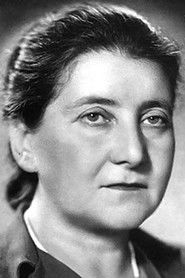
The film was created during the final year of World War II, making its production particularly challenging due to resource shortages and the evacuation of many animation facilities. The Brumberg sisters (Zinaida and Valentina) directed this landmark film, pioneering cel animation techniques in the Soviet Union. The team had to develop their own animation methods as Western techniques were not accessible during the war period. The film's production spanned approximately two years, with careful attention to preserving Ukrainian cultural elements from Gogol's original story while adapting it for animation.
Themes
Folklore and traditionGood versus evilHuman ingenuityJourney and transformationSatire of bureaucracy
Themes & topics
Historical background
The Lost Letter (1945) emerged during the studio era and wartime cinema. On a hot August day, a messenger sends the Cossack to the capital with the diploma, meant for the queen, tucked away under his hat. Archival records and catalog entries help place the work within film-history surveys of the period.
Why this film matters
Preserved under Wikidata ID Q3407516, The Lost Letter is valued as a animated work within catalog and archive collections. Wikipedia's "The Lost Letter (1945 film)" entry connect it to broader histories of cinema exhibition and restoration.
Making of
The production of 'The Lost Letter' faced extraordinary challenges during World War II. Many animators were drafted into military service, and those remaining worked in difficult conditions with limited resources. The Brumberg sisters had to innovate with available materials, often creating their own animation supplies. The team worked in a converted building in Moscow, as the main Soyuzmultfilm facilities had been damaged during the war. Voice recording was particularly challenging due to equipment shortages, requiring multiple takes and creative sound engineering. The animators studied Ukrainian folk art and costumes extensively to ensure cultural authenticity in the character designs. The Hell sequences required extensive storyboarding and experimentation with lighting effects to create the otherworldly atmosphere. Despite these challenges, the production team maintained high artistic standards, resulting in a film that pushed the boundaries of Soviet animation.
What critics said
Survival status shapes reception: The Lost Letter is discussed mainly in preservation and film-history literature rather than in wide contemporary review columns.
Did you know?
- This was the first Soviet cel-animated feature film, marking a milestone in Soviet animation history
- The film is based on one of the stories from Nikolai Gogol's 1832 collection 'Evenings on a Farm Near Dikanka'
- Director Zinaida Brumberg worked alongside her sister Valentina Brumberg, forming the famous 'Brumberg Sisters' directing duo
- The voice cast included prominent Soviet theater actors, with Sergei Martinson providing multiple character voices
- The demon characters were designed to be more comical than terrifying, reflecting the film's family-friendly approach
- The animation team used a special multi-layered cel technique to create depth in the Hell sequences
- Despite being made during wartime, the film features vibrant colors and elaborate backgrounds
- The film's success helped establish Soyuzmultfilm as the premier animation studio in the Soviet Union
- Original film elements were preserved in the Gosfilmofond archive, though some sequences have deteriorated over time
- The film was one of the first Soviet animations to be exported internationally after the war
Awards & recognition
- Stalin Prize, Second Class (1946) - For outstanding achievement in cinema
Visual style
The film's visual style represents a breakthrough in Soviet animation cinematography, employing sophisticated multi-plane camera techniques to create depth and dimension. The animation team used layered cels to achieve parallax effects, particularly in the Hell sequences where floating elements and layered backgrounds created a sense of otherworldly space. Color palettes were carefully chosen to distinguish between the earthly Ukrainian village scenes (warm, earthy tones) and the supernatural Hell sequences (vibrant, contrasting colors). The cinematography incorporated traditional Ukrainian folk art motifs into the background designs, creating a distinctive visual identity. Camera movements were more dynamic than previous Soviet animations, including tracking shots and zooms that enhanced the storytelling. The lighting effects, especially in the supernatural sequences, were groundbreaking for Soviet animation, using color gradients and shadow techniques to create atmospheric depth.
Innovations
The film pioneered cel animation techniques in the Soviet Union, introducing methods that had been developed in the West but adapted to Soviet conditions. The animation team developed a special registration system for multi-layered cels that allowed for complex depth effects without Western equipment. Color processing techniques were innovated to achieve vibrant hues despite wartime pigment shortages. The film introduced sophisticated character animation techniques, including more fluid movement and expressive facial animations than previous Soviet productions. The Hell sequences featured experimental lighting effects using multiple exposure techniques and color filters. The team created custom animation stands and camera rigs to achieve specific visual effects. The film's success in these technical areas established new standards for Soviet animation production and influenced subsequent projects at Soyuzmultfilm.
Music
The musical score was composed by Soviet composer Nikita Bogoslovsky, who adapted Ukrainian folk melodies into the orchestral arrangements. The soundtrack incorporates traditional Ukrainian musical instruments and rhythms, enhancing the cultural authenticity of the adaptation. Voice acting was performed by prominent Soviet theater actors, including Sergei Martinson, Mikhail Yanshin, and Boris Livanov, who brought theatrical gravitas to the animated characters. Sound effects were innovative for the time, using creative Foley techniques to produce the supernatural elements and character movements. The musical numbers, particularly those featuring the demons, combined folk melodies with orchestral arrangements that reflected the film's blend of tradition and fantasy. The soundtrack was recorded using limited wartime equipment, yet achieved remarkable clarity and dynamic range. The film's theme music became recognizable to Soviet audiences and was later used in documentaries about Soviet animation history.
Famous quotes
Even in Hell, a clever Cossack can find his way!
A letter to the Tsarina is more precious than gold, but even gold can't buy you out of the devil's grasp!
When demons steal your hat, you must go to Hell to get it back - such is the way of our world!
In Ukraine, even the devil has a sense of humor!
Memorable scenes
- The dramatic sequence where Vakula descends into Hell, with swirling red and orange mists creating a terrifying yet beautiful otherworldly atmosphere
- The comical scene where the demons try on Vakula's hat and argue over who gets to keep the letter
- The final confrontation in Hell where Vakula outsmarts the demons through clever wordplay and quick thinking
- The opening sequence showing the Ukrainian village with detailed folk art backgrounds and traditional costumes
What audiences thought
The film was warmly received by Soviet audiences upon its release in 1945, who appreciated its humor, fantasy elements, and familiar literary source material. Children and adults alike enjoyed the colorful animation and the adventurous story, which provided welcome entertainment during the difficult post-war period. The film's success led to multiple re-releases in theaters throughout the late 1940s and 1950s. Audience letters preserved in Soviet archives show particular appreciation for the demon characters and the imaginative depiction of Hell. The film developed a cult following among animation enthusiasts and became a staple of Soviet television programming during holiday seasons. International audiences, when the film was exported, responded positively to its unique visual style and storytelling approach, which differed significantly from Western animation conventions of the era.
Film connections
Influenced by
- Nikolai Gogol's 'Evenings on a Farm Near Dikanka'
- Ukrainian folk tales and legends
- Traditional Ukrainian art and costumes
- Soviet realist art principles
- Early Disney animation techniques (adapted for Soviet use)
This film influenced
- The Snow Queen (1957)
- The Tale of the Fisherman and the Fish (1950)
- The Enchanted Boy (1955)
- Later Soyuzmultfilm adaptations of classic literature
Film restoration
The film has been preserved in the Gosfilmofond State Film Archive of Russia, though some original elements show signs of deterioration typical of nitrate film from this period. A restoration project was undertaken in the 1990s to preserve the film for future generations. Digital restoration efforts have continued in the 21st century, with the film now available in restored high-definition format. The original soundtrack has been remastered, though some audio elements remain degraded. The film is considered culturally significant and receives regular preservation attention from Russian film archives.
Where to watch
- Available on Russian streaming platforms with English subtitles
- Included in the Soyuzmultfilm Classic Collection DVD sets
- Occasionally screened at film festivals specializing in classic animation
- Available through some specialty streaming services focusing on international cinema
- Can be accessed through select university film archives and libraries