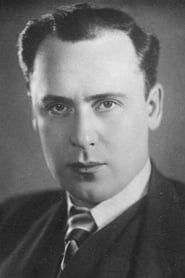
Boris Livanov
Actor
Born: May 8, 1904 in Moscow, Russian Empire Died: September 22, 1972 Active: 1924-1969 Birth Name: Boris Nikolaevich Livanov
Films
10 films
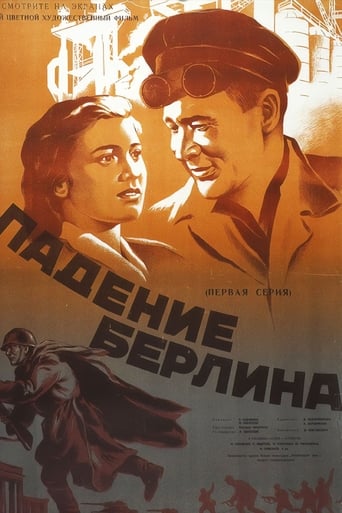
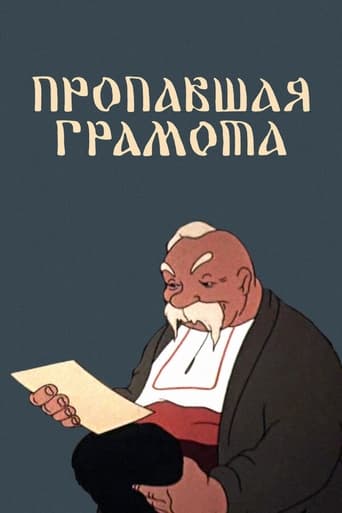
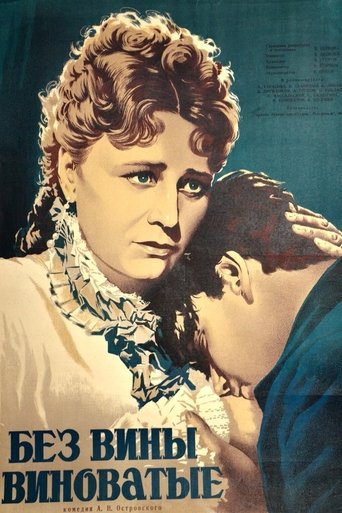
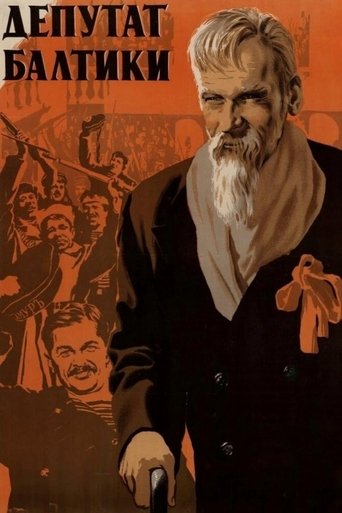
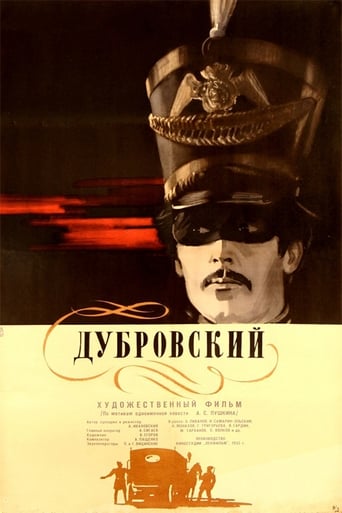
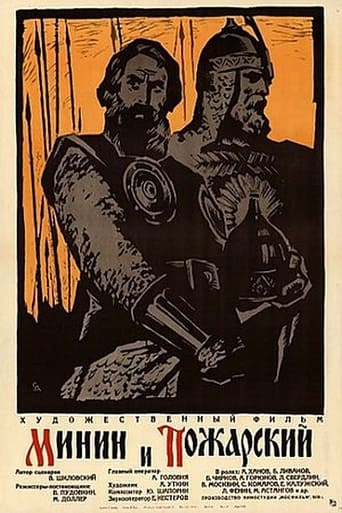
About Boris Livanov
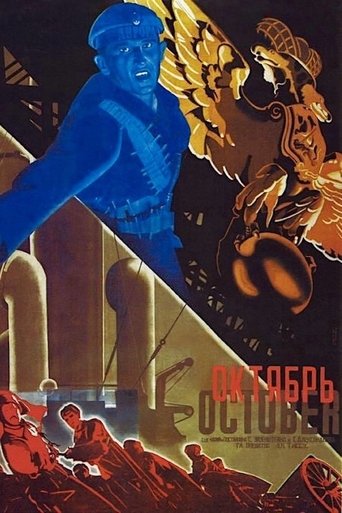
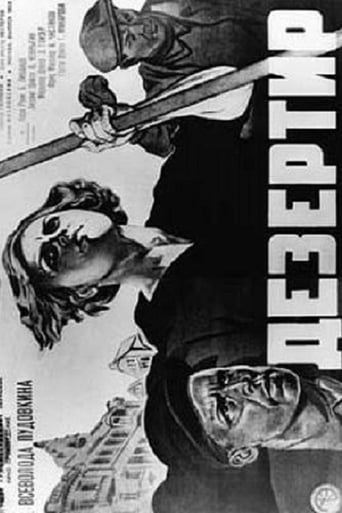
Boris Nikolaevich Livanov was actors of Soviet cinema and theater, active from the silent era through the Stalinist period. He began his film career in the early 1920s, appearing in Soviet silent films including Sergei Eisenstein's 'October' (1927), where he in depicting the Bolshevik Revolution. Livanov transitioned successfully to sound films, delivering powerful performances in politically significant works like 'Deserter' (1933) and 'Baltic Deputy' (1937), which aligned with Soviet ideological narratives. His portrayal of Vladimir Lenin in several films became particularly noteworthy, establishing him as the definitive screen Lenin of his generation. Beyond cinema, Livanov — celebrated stage actor at the Moscow Art Theatre, where he developed his craft under the influence of Konstantin Stanislavski's system. During World War II, he contributed to the war effort through both patriotic films and theater performances for soldiers. Despite the political pressures of the Stalin era, Livanov maintained artistic integrity while navigating the complex demands of Soviet cultural policy, earning both critical acclaim and state recognition for his contributions to socialist realism in cinema.
The Craft
On Screen
Livanov was known for his powerful, emotionally intense performances rooted in the Stanislavski system. His acting combined psychological depth with strong physical presence, making him particularly effective in portraying historical figures and revolutionary characters. In silent films, he used expressive facial features and body language to convey complex emotions, while in sound films, his commanding voice and precise diction added another dimension to his performances. He specialized in playing strong-willed, ideologically driven characters, bringing both intellectual rigor and emotional authenticity to his roles.
Milestones
- Breakthrough role in Eisenstein's 'October' (1927)
- Definitive portrayal of Vladimir Lenin in multiple films
- Leading role in 'Baltic Deputy' (1937)
- Awarded People's Artist of the USSR (1948)
- Stalin Prize recipient (1941, 1942, 1950)
- Long-standing career at Moscow Art Theatre
- Successful transition from silent to sound cinema
Best Known For
Iconic Roles
Must-See Films
Accolades
Won
- Stalin Prize (1941) - For outstanding achievements in theater and cinema
- Stalin Prize (1942) - For role in 'Alexander Nevsky'
- Stalin Prize (1950) - For contributions to Soviet cinema
- Order of Lenin (1948)
- Order of the Red Banner of Labour (1938)
- Order of the Red Star (1944)
- Medal 'For the Defence of Moscow' (1944)
- Medal 'For Valiant Labour in the Great Patriotic War 1941-1945'
Nominated
- Nominated for Lenin Prize (multiple times for theatrical work)
Special Recognition
- People's Artist of the USSR (1948)
- People's Artist of the RSFSR (1938)
- Honored Artist of the RSFSR (1933)
- Member of the Communist Party (1940)
Working Relationships
Worked Often With
Studios
Why They Matter
Impact on Culture
Boris Livanov played a crucial role in shaping the visual representation of Soviet historical narratives, particularly through his definitive portrayals of Vladimir Lenin. His performances helped establish the visual template for how revolutionary leaders were depicted in Soviet cinema, influencing generations of filmmakers and actors. As a bridge between the revolutionary avant-garde of the 1920s and the socialist realism of the Stalin era, Livanov's career reflects the evolution of Soviet artistic expression. His work in both silent and sound films demonstrated the technical and artistic possibilities of cinema as a tool for political education and cultural development. Livanov's commitment to the Stanislavski method helped establish it as the dominant acting technique in Soviet theater and cinema.
Lasting Legacy
Boris Livanov is remembered as one of the foundational figures of Soviet cinema and theater, whose body of work represents the pinnacle of socialist realist art. His portrayals of Lenin created an enduring visual image that would influence Soviet culture for decades. The Moscow Art Theatre, where he spent much of his career, continues to honor his contributions to Russian theatrical tradition. His films remain important historical documents of Soviet cultural production and are studied by film scholars worldwide. Livanov's ability to navigate the political demands of his time while maintaining artistic integrity serves as a model for understanding the complex relationship between art and politics in totalitarian societies.
Who They Inspired
Livanov's methodical approach to character development and his mastery of both classical and contemporary roles influenced generations of Soviet actors. His work in historical films established conventions for portraying political leaders that would be followed by actors throughout the Eastern Bloc. As a teacher at the Moscow Art Theatre School, he transmitted the Stanislavski tradition to future generations of performers. His successful transition from silent to sound cinema provided a template for other actors facing the same technological and artistic challenges. International filmmakers studying Soviet cinema often cite Livanov's performances as exemplars of the psychological depth achievable within the constraints of socialist realism.
Off Screen
Boris Livanov came from a theatrical family - his father was actor Nikolai Livanov. He married actress Elena Gogoleva in 1936, and their marriage lasted until his death in 1972. The couple had one son, Nikolai, who also became an actor. Livanov was deeply committed to the Soviet cultural project and was a member of the Communist Party from 1940. During World War II, he performed extensively for front-line troops and was actively involved in war relief efforts. His later years were marked by continued work in both theater and cinema, though his health began to decline in the 1960s.
Education
Graduated from the Moscow Art Theatre School (1924), studied under influential theater directors including Konstantin Stanislavski and Vladimir Nemirovich-Danchenko
Family
- Elena Gogoleva (1936-1972)
Did You Know?
- Was the first actor to portray Lenin in a sound film
- His portrayal of Lenin was so convincing that many Soviet citizens believed he had actually known the revolutionary leader
- Spent over 20 years as a leading actor at the Moscow Art Theatre
- During WWII, performed in over 500 concerts for Soviet soldiers
- Was personal friends with many prominent Soviet cultural figures including composer Sergei Prokofiev
- His father was also a well-known actor in pre-revolutionary Russia
- Survived the Stalinist purges despite working in a highly politicized field
- Refused several offers to work in Hollywood during the 1930s
- His son Nikolai continued the family acting tradition
- Was known for his meticulous preparation for historical roles, often spending months researching his characters
In Their Own Words
The actor must not just play a role, he must become the role - this is the essence of our art.
To portray Lenin is not just to act, it is to carry a responsibility to history and to our people.
The theater is not a place for entertainment, it is a temple where we educate the soul of our nation.
In every character, whether historical or contemporary, we must find the truth that speaks to our time.
The greatest reward for an actor is not applause, but the knowledge that his work has touched the hearts of his people.
Frequently Asked Questions
Who was Boris Livanov?
Prominent Soviet with credits in this catalog. He was particularly famous for his portrayals of Vladimir Lenin and his contributions to socialist realist art during the Stalin era.
What films is Boris Livanov best known for?
Titles linked here include October (Ten Days that Shook the World) (1927), Deserter (1933).
When was Boris Livanov born and when did he die?
Born May 8, 1904; died September 22, 1972.
What awards did Boris Livanov win?
Livanov received numerous prestigious awards including three Stalin Prizes (1941, 1942, 1950), was named People's Artist of the USSR in 1948, and received multiple Orders of Lenin and other Soviet state honors for his contributions to cinema and theater.
What was Boris Livanov's acting style?
Livanov's acting style was rooted in the Stanislavski system, characterized by psychological depth, emotional intensity, and strong physical presence. He was particularly known for his ability to portray historical figures with both intellectual rigor and authentic emotional power.
How did Boris Livanov influence Soviet cinema?
Livanov's definitive portrayals of Lenin established the visual template for depicting revolutionary leaders in Soviet cinema. His work bridged the silent and sound eras and helped establish socialist realism as the dominant artistic style in Soviet film.
What was Boris Livanov's connection to the Moscow Art Theatre?
Livanov — leading actor at the Moscow Art Theatre for over 20 years, having graduated from its school in 1924. He was deeply influenced by Stanislavski and Nemirovich-Danchenko and later taught at the theater school, influencing generations of Soviet actors.