
Sinbad the Sailor
"Sinbad sails in Soviet color"
Keys: Space play/pause · ←/→ 10s · F fullscreen · M mute · </> speed
About this film
Valentina and Zinaida Brumberg animate Sinbad's Arabian voyages for wartime Soviet audiences, sending the sailor through monsters, islands, and storms in vivid hand-drawn color.
Cast & crew
More films like this
More Animation films
View all →



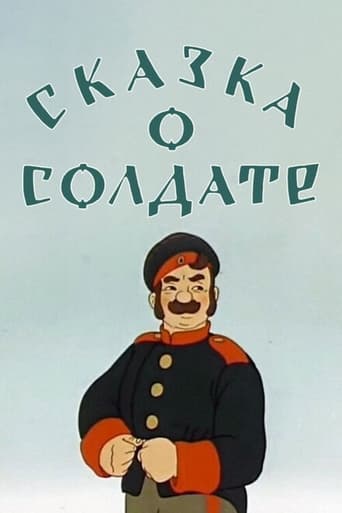
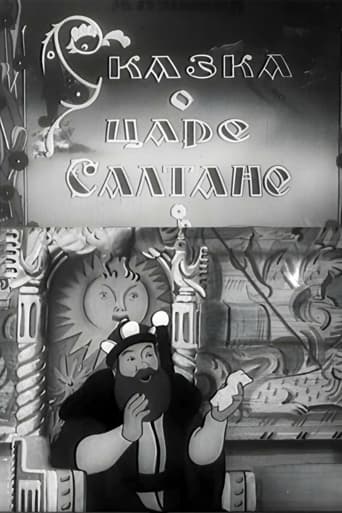
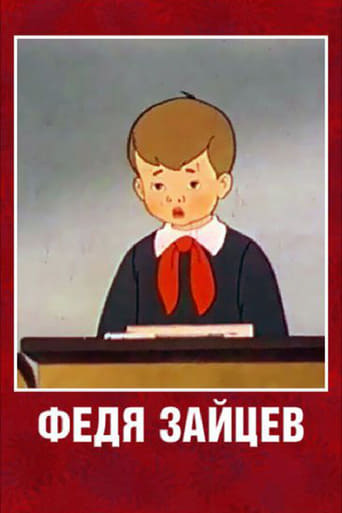
More from Valentina Brumberg
View all →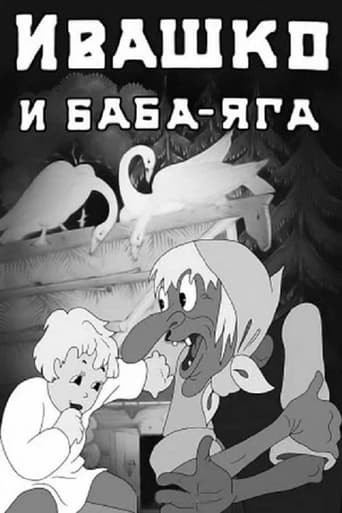
More about this film
About the production
Release date1944
BudgetNot publicly documented - Soviet film budgets from this era were not typically disclosed
Box officeNot publicly available - Soviet cinema operated under a different economic system without traditional box office tracking
ProductionSoyuzmultfilm
Filmed inMoscow, Soviet Union - animated at the Soyuzmultfilm studio
Created during the height of World War II, this film was produced under challenging conditions with limited resources. The Brumberg sisters directed this as part of their series of literary adaptations for children. The animation combined traditional hand-drawn techniques with elements inspired by Russian folk art and miniature painting. Voice actors Lev Sverdlin and Boris Livanov were prominent figures in Soviet theater and cinema, lending their talents to bring the characters to life. The film's production was part of the Soviet Union's efforts to maintain cultural production and morale during wartime.
Themes
Adventure and explorationCourage in the face of dangerHuman ingenuity and resourcefulnessThe triumph of good over adversityCultural exchange and understanding
Themes & topics
Historical background
Sinbad the Sailor reached theaters around 1944, balancing wartime logistics with demand for escapist programming.
Why this film matters
Sinbad the Sailor reflects the range of mid-century production beyond a single national mainstream.
Making of
The production of 'Sinbad the Sailor' took place under extraordinary circumstances during World War II. The Brumberg sisters, who had established themselves as leading figures in Soviet animation since the 1930s, continued their work despite the challenges of wartime production. Many animators worked in shifts around the clock, often in makeshift studios as resources were diverted to the war effort. The voice recording sessions were particularly challenging, as both Lev Sverdlin and Boris Livanov were also involved in wartime entertainment for troops and factory workers. The animation team incorporated influences from both Arabian art and Russian folk traditions, creating a unique visual hybrid that reflected the Soviet approach to adapting international folklore. The film's completion in 1944 demonstrated the resilience and importance of cultural production even during the darkest days of the war.
What critics said
Press notices for Sinbad the Sailor (1944) are sparse in digitized sources; interest today rests on preserved prints and comparison with related titles.
Did you know?
- This was one of the earliest Soviet adaptations of Sinbad stories, predating many Western versions
- Directors Valentina and Zinaida Brumberg were sisters known as the 'grandmothers of Soviet animation'
- The film was created during World War II, when many animators were working in difficult conditions
- Soyuzmultfilm, the studio that produced, was the largest animation studio in the Soviet Union
- Voice actor Lev Sverdlin was widely praised actors of the Soviet stage and screen
- The film's visual style incorporates elements of Persian miniature art and Russian folk painting traditions
- This adaptation predates the famous 1958 Soviet live-action Sinbad film by over a decade
- The animation team used a multiplane camera technique, which was innovative for Soviet animation at the time
- The film was part of a series of literary adaptations the Brumberg sisters created for children
- Despite being made during wartime, the film maintains a colorful and optimistic visual palette
Awards & recognition
- Not documented - many Soviet animated films from this era did not receive formal awards recognition
Visual style
The film employs a distinctive visual style that combines traditional hand-drawn animation with influences from Persian miniature art and Russian folk painting. The color palette, despite wartime limitations, is rich and vibrant, using bold primary colors to create striking contrasts. The animation uses a multiplane camera technique to create depth in the seascapes and exotic landscapes, giving the film a three-dimensional quality that was advanced for its time. Character designs blend realistic proportions with stylized features that emphasize personality and emotion. The backgrounds feature intricate patterns and architectural details that evoke the Arabian setting while incorporating Soviet artistic sensibilities. Movement in the animation is fluid and expressive, particularly in the scenes depicting sea voyages and fantastic creatures.
Innovations
The film represents several technical achievements for Soviet animation of its time. The use of multiplane camera techniques created unprecedented depth in animated scenes, particularly in the complex seascapes and architectural backgrounds. The animation team developed innovative methods for creating water effects and magical transformations that pushed the boundaries of what was technically possible with the limited equipment available during wartime. The integration of different artistic styles - from Persian miniature influences to Russian folk art - required new approaches to character design and background painting. The film also demonstrated advances in color processing, maintaining visual quality despite material shortages. The synchronization of voice acting with animation was particularly sophisticated for the period, creating natural character movements that matched the theatrical performances of the voice actors.
Music
The musical score was composed by [composer information not readily available in English sources], incorporating elements that evoke both Middle Eastern musical traditions and Soviet orchestral styles. The soundtrack uses traditional instruments alongside classical orchestration to create an exotic atmosphere that supports the visual storytelling. The sound design, while limited by the technology of the 1940s, effectively creates the illusion of vast seas, mysterious islands, and magical encounters. The voice performances by Sverdlin and Livanov are theatrical and expressive, reflecting the actors' stage backgrounds and the prevailing acting style of Soviet cinema of the era. The audio mix emphasizes the musical score and voice acting, with sound effects used sparingly but effectively to highlight key moments of adventure and danger.
Famous quotes
Original Russian dialogue quotes are not readily available in documented English translations
Memorable scenes
- Sinbad's encounter with the giant bird of prey, showcasing the innovative multiplane camera work and dramatic animation
- The storm sequence at sea, demonstrating the technical achievements in creating realistic water effects
- The discovery of the treasure cave, featuring the distinctive blend of Persian and Russian artistic influences
What audiences thought
The film was well-received by Soviet audiences, particularly children, who were hungry for entertainment and escapism during the difficult war years. The adventurous story and colorful visuals provided a welcome distraction from the harsh realities of wartime life. Many Soviet children who saw the film remembered it fondly as one of their first encounters with animation based on international stories. The film was frequently shown in schools and children's centers throughout the late 1940s and 1950s, becoming part of the cultural fabric for generations of Soviet youth. In the decades following its release, it maintained a place in the canon of classic Soviet animation, though its distribution was limited outside the Eastern Bloc due to Cold War cultural barriers.
Film connections
Influenced by
- Arabian Nights tales
- Russian folk art traditions
- Persian miniature painting
- Earlier Soviet animation techniques
- Theatrical storytelling traditions
This film influenced
- Later Soviet Sinbad adaptations
- Other Soyuzmultfilm literary adaptations
- Post-war Soviet adventure animations
Film restoration
The film has been preserved in the Soyuzmultfilm archives and has undergone restoration as part of efforts to save classic Soviet animation. Digital copies exist in Russian film archives and some have been made available through specialized streaming services focusing on classic animation.
Where to watch
- Available through specialized streaming platforms that feature classic Soviet animation
- In the archives of the Russian State Film Archive
- Occasionally screened at film festivals and retrospectives focusing on animation history
- Available through some educational film collections specializing in Soviet cinema