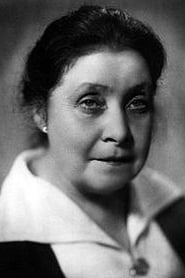
Valentina Brumberg
Director
Born: August 27, 1899 in Moscow, Russian Empire Died: November 28, 1975 Active: 1925-1975 Birth Name: Valentina Semyonovna Brumberg
Films
7 films
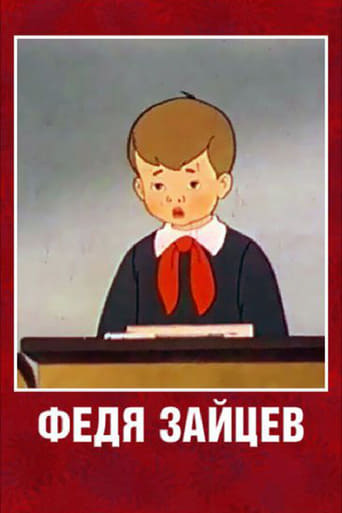
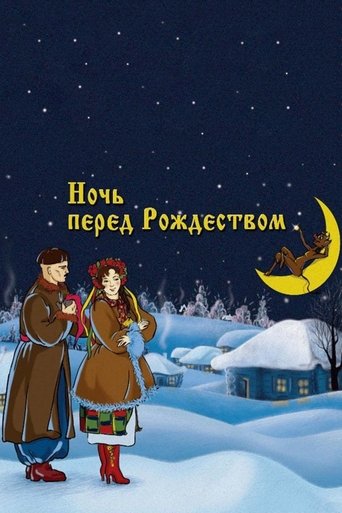
About Valentina Brumberg
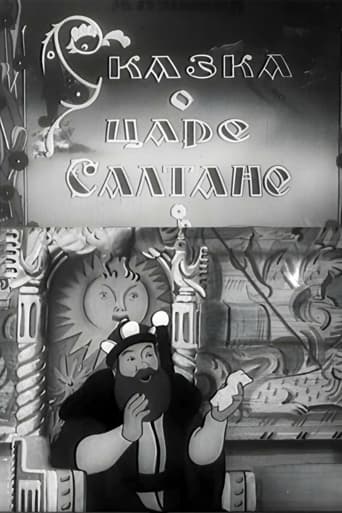
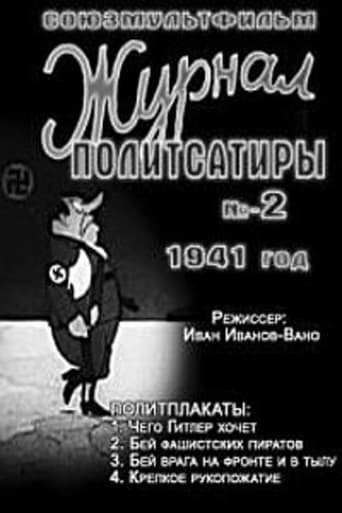
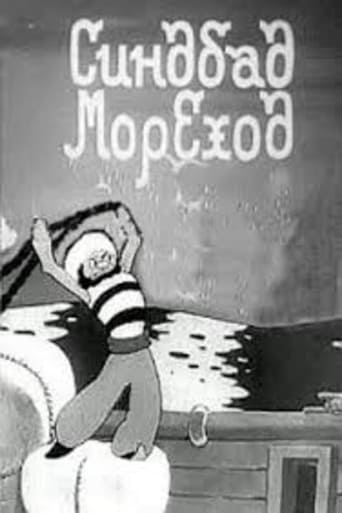
Valentina Semyonovna Brumberg (1899-1975) was a Soviet animation director who, alongside her sister Zinaida Brumberg, formed directing duos in the history of Russian animation. Born in Moscow to a merchant family, she studied at VKhUTEMAS (Higher Art and Technical Studios) where she met her future collaborators. The Brumberg sisters began their animation career in the 1920s at Sovkino, later moving to Soyuzmultfilm where they would create their most celebrated works. Their 1935 film 'The Tale of the Priest and of His Workman Balda' marked their breakthrough as directors of feature-length animated films. During World War II, they created patriotic and morale-boosting animations, including 'Journal of Political Satire' which used animation to lampoon the enemy. Their post-war period saw adaptations of classic Russian literature and folklore, with 'The Tale of Tsar Saltan' (1943) and 'Sinbad the Sailor' (1944) becoming cultural touchstones. The sisters continued working together until the 1970s, leaving an indelible mark on Soviet animation with their distinctive blend of artistic sophistication and accessibility.
The Craft
Behind the Camera
Known for her elegant, painterly animation style that combined Russian folk art traditions with modernist aesthetics. Her direction emphasized character-driven storytelling with sophisticated visual metaphors, often incorporating elements of Russian cultural heritage and folklore. The Brumberg sisters' work was characterized by its attention to detail, fluid movement, and ability to make complex narratives accessible to all audiences.
Milestones
- Co-founded Soviet animation with sister Zinaida
- Directed first Soviet feature-length animated film
- Created wartime propaganda animations during WWII
- Adapted Russian classics into animated form
- Mentored generations of Soviet animators
Best Known For
Must-See Films
Accolades
Won
- Stalin Prize (1948)
- Order of the Red Banner of Labour (1951)
- People's Artist of the RSFSR (1969)
- State Prize of the RSFSR (1971)
Special Recognition
- Honored Artist of the RSFSR (1961)
- People's Artist of the RSFSR (1969)
Working Relationships
Worked Often With
Studios
Why They Matter
Impact on Culture
Valentina Brumberg, together with her sister, fundamentally shaped the aesthetic and narrative language of Soviet animation, establishing a tradition that balanced artistic sophistication with mass appeal. Their adaptations of Russian literature and folklore helped preserve and popularize cultural heritage during a period of significant social and political transformation. During WWII, their propaganda animations played a crucial role in maintaining morale and defining the Soviet narrative against fascism. Their work demonstrated that animation could be a medium for serious artistic expression and cultural education, not merely entertainment for children.
Lasting Legacy
The Brumberg sisters' legacy endures through the generations of animators they trained and the high artistic standards they established at Soyuzmultfilm. Their films remain classics of Russian animation, regularly screened at retrospectives and studied in film schools worldwide. The 'Brumberg style'—combining painterly visuals with sophisticated storytelling—became a benchmark for quality in Soviet animation. Their work in feature-length animation paved the way for later masterpieces of Russian animation, and their emphasis on literary adaptation influenced how classic works were visualized for new audiences.
Who They Inspired
The Brumberg sisters influenced countless Soviet and Russian animators through their mentorship at Soyuzmultfilm and their example of artistic integrity. Their approach to adapting literature for animation created a template that directors like Fyodor Khitruk and Yuri Norstein would later develop. International animators discovered their work through festivals in the 1950s and 1960s, where their unique visual language impressed Western audiences. Their emphasis on animation as a serious art form helped elevate the medium's status globally, contributing to the recognition of animation as a vehicle for sophisticated cultural expression.
Off Screen
Valentina Brumberg never married and dedicated her entire life to her art and collaboration with her sister Zinaida. The sisters lived together in Moscow and were inseparable both personally and professionally throughout their careers. Their home became a gathering place for Soviet animation artists and intellectuals, serving as an unofficial salon where ideas and techniques were exchanged. Valentina was known for her sharp wit, extensive knowledge of Russian literature, and her dedication to mentoring young animators.
Education
VKhUTEMAS (Higher Art and Technical Studios), Moscow (1920s)
Did You Know?
- She and her sister Zinaida were known as the 'Brumberg sisters' and were rarely credited separately
- Their 1935 film 'The Tale of the Priest and of His Workman Balda' was based on an unfinished poem by Pushkin
- During WWII, they created animated films in evacuation conditions in Samarkand
- The sisters never married and were devoted entirely to their craft
- Their apartment in Moscow became known as 'Brumberg House' where animators gathered
- They were among the first Soviet animators to experiment with color animation
- Valentina was known for her extensive library of art books and literature
- The sisters worked together for over 50 years without any major public disagreements
- Their film 'The Snow Queen' (1957) was one of the first Soviet animations to achieve international distribution
- They were instrumental in establishing the animation department at VGIK film school
In Their Own Words
Animation is not just for children—it is poetry in motion that speaks to all ages
Every frame must be a painting, every movement a story
We don't just draw pictures—we create worlds
Russian folklore is our greatest treasure; animation is our way of sharing it
The soul of animation lies in the details that most people never notice
Frequently Asked Questions
Who was Valentina Brumberg?
Soviet animation on YTB.my. They worked primarily at Soyuzmultfilm studio from the 1920s through the 1970s, creating adaptations of Russian literature and folklore that became cultural classics.
What films is Valentina Brumberg best known for?
Titles linked here include The Tale of Tsar Saltan (1943), Sinbad the Sailor (1944).
When was Valentina Brumberg born and when did she die?
Born August 27, 1899; died November 28, 1975.
What awards did Valentina Brumberg win?
She received numerous prestigious awards including the Stalin Prize in 1948, the Order of the Red Banner of Labour in 1951, and was named People's Artist of the RSFSR in 1969. She also received the State Prize of the RSFSR in 1971, recognizing her contributions to Soviet animation.
What was Valentina Brumberg's directing style?
Her directing style was characterized by elegant, painterly visuals that combined Russian folk art traditions with modernist aesthetics. She emphasized character-driven storytelling with sophisticated visual metaphors, often incorporating elements of Russian cultural heritage and folklore. Her work was known for its attention to detail and ability to make complex narratives accessible.
Did Valentina Brumberg work alone or with collaborators?
Valentina worked almost exclusively in collaboration with her sister Zinaida Brumberg, and they were rarely credited separately. The 'Brumberg sisters' directed together for over 50 years, creating a unified artistic vision that became in Soviet animation circles.
How did Valentina Brumberg influence Russian animation?
She fundamentally shaped Soviet animation by establishing high artistic standards and demonstrating that animation could be a serious art form. Through her work at Soyuzmultfilm and teaching at VGIK film school, she mentored generations of animators who would continue her legacy. Her adaptations of Russian classics helped define how cultural heritage could be preserved and shared through animation.