
Lev Sverdlin
Actor
Born: November 16, 1901 in Berdychiv, Russian Empire (now Ukraine) Died: August 28, 1950 Active: 1933-1950 Birth Name: Lev Naumovich Sverdlin
Films
11 films

About Lev Sverdlin
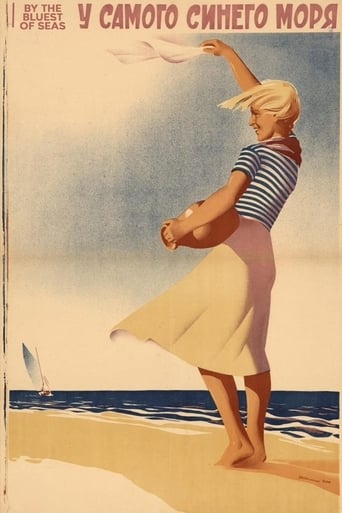
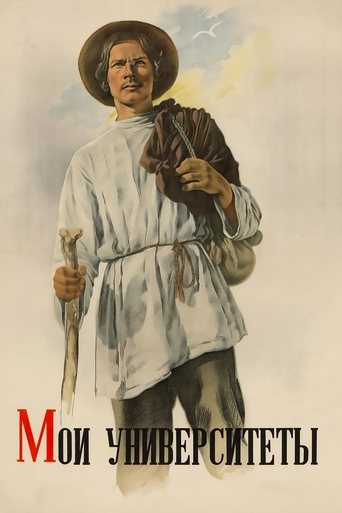
Lev Naumovich Sverdlin — prominent Soviet actor active from the early 1930s through the 1950s, becoming recognizable faces of Stalin-era cinema. He began his acting career at the Vakhtangov Theatre in Moscow before transitioning to film, where he quickly established himself as a versatile character actor capable of playing both heroic and villainous roles. Sverdlin's breakthrough came with his performance in Boris Barnet's 'By the Bluest of Seas' (1936), which showcased his naturalistic acting style and screen presence. Throughout the late 1930s and 1940s, he became a favorite of Soviet directors, appearing in numerous propaganda films and historical epics that celebrated Soviet achievements and revolutionary heroes. His role in 'My Universities' (1940), part of the Maxim Gorky trilogy, solidified his status as one of the USSR's leading character actors. During World War II, Sverdlin actively participated in wartime entertainment, performing for troops and appearing in patriotic films that boosted morale on the home front. Despite the political pressures of the Stalinist era, he maintained a successful career until his death in 1950, leaving behind a legacy of over 40 film performances that exemplified the ideals and aesthetics of Soviet socialist realism.
The Craft
On Screen
Sverdlin was known for his naturalistic yet emotionally charged performances that balanced the requirements of socialist realism with authentic human expression. His acting technique combined theatrical training from the Vakhtangov Theatre with a cinematic sensibility that made his characters relatable despite their often idealized nature. He excelled at portraying ordinary Soviet citizens elevated to heroic status, bringing warmth and humanity to roles that could have been merely propagandistic. His screen presence was characterized by a strong, resonant voice and expressive eyes that could convey complex emotions even within the constraints of Soviet censorship.
Milestones
- Breakthrough role in 'By the Bluest of Seas' (1936)
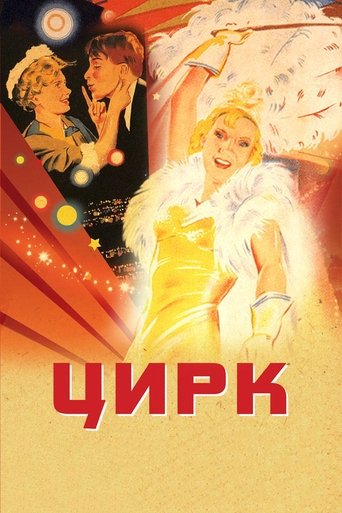
- Performance in Grigori Aleksandrov's 'Circus' (1936)
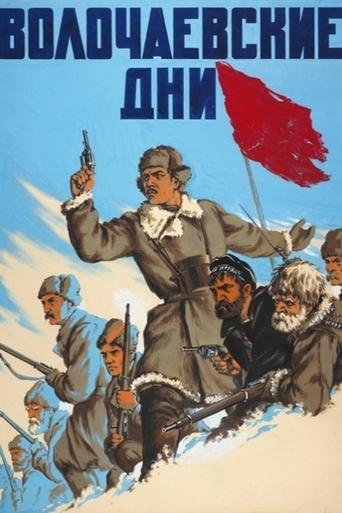
- Leading role in 'The Defense of Volotchayevsk' (1937)
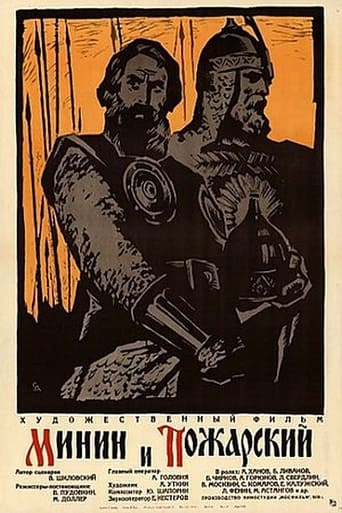
- Portrayal in 'Minin and Pozharsky' (1939)
- Memorable performance in 'My Universities' (1940)
- Awarded the title of Honored Artist of the RSFSR (1946)
Best Known For
Iconic Roles
Must-See Films
Accolades
Won
- Order of the Red Banner of Labour (1944)
- Stalin Prize (1946)
- Honored Artist of the RSFSR (1946)
Special Recognition
- Honored Artist of the RSFSR (1946)
- Order of the Red Star (1945)
Working Relationships
Worked Often With
Studios
Why They Matter
Impact on Culture
Lev Sverdlin became an iconic figure in Soviet cinema, representing the ideal Soviet citizen in numerous films during the Stalin era. His performances helped shape the visual language of socialist realism, creating archetypes of Soviet heroism that influenced generations of viewers and filmmakers. Through his roles in historical epics and contemporary dramas, Sverdlin contributed to the construction of Soviet national identity and collective memory. His work in films like 'Circus' and 'The Girl No. 217' helped international audiences understand Soviet perspectives on fascism and patriotism during World War II. The characters he portrayed became cultural touchstones for Soviet audiences, embodying the virtues of courage, self-sacrifice, and devotion to the communist cause.
Lasting Legacy
Sverdlin's legacy endures through his extensive filmography, which continues to be studied by film historians and scholars of Soviet cinema. His performances represent some of the finest examples of acting within the constraints of socialist realism, demonstrating how artists could create compelling characters while adhering to ideological requirements. The films he appeared in remain important historical documents of their time, offering insights into Soviet values, aesthetics, and political concerns. His influence can be seen in the work of subsequent generations of Soviet actors who sought to balance artistic integrity with political realities. Despite being less known internationally than some of his contemporaries, Sverdlin remains a significant figure in the history of world cinema as an exemplar of Soviet artistic achievement.
Who They Inspired
Sverdlin influenced Soviet acting through his naturalistic approach within the socialist realist framework, showing younger actors how to create believable characters while serving ideological goals. His work with prominent directors helped establish acting techniques that would become standard in Soviet cinema. Many actors who worked with him cited his professionalism and dedication as inspiration for their own careers. His ability to bring depth to potentially one-dimensional propaganda roles demonstrated the artistic possibilities within restrictive systems, influencing how subsequent generations approached politically motivated filmmaking.
Off Screen
Sverdlin was married to actress Valentina Tokarskaya, with whom he often performed both on stage and screen. The couple had one daughter, Elena, who also pursued a career in the arts. Despite his fame, Sverdlin maintained a relatively private personal life, focusing primarily on his craft and avoiding political controversies that could endanger his career during the turbulent Stalin years. He was known among colleagues for his professionalism and dedication to his art, often spending long hours preparing for roles and studying the historical contexts of his characters.
Education
Graduated from the Vakhtangov Theatre School in Moscow (1928)
Family
- Valentina Tokarskaya (1930s-1950)
Did You Know?
- Was one of the few Soviet actors allowed to work with foreign directors during the 1930s
- His performance in 'Circus' was praised by Charlie Chaplin when the film was shown internationally
- Sverdlin often performed his own stunts, particularly in action sequences for war films
- He was a close friend of composer Sergei Prokofiev and appeared in several films featuring his music
- Despite his Jewish heritage, he managed to maintain his career during periods of Soviet anti-Semitism
- His final film 'The Fall of Berlin' (1949) was
- Sverdlin was considered for the role of Ivan the Terrible in Eisenstein's film but scheduling conflicts prevented it
- He spoke fluent German, which helped him during the filming of war movies
- His death at age 48 was considered premature and shocked the Soviet film community
- A street in Moscow was named after him in 1965 in recognition of his contributions to Soviet cinema
In Their Own Words
In cinema, we don't just play characters - we build the new Soviet person
Every role, whether big or small, must serve the people and the revolution
The actor's greatest responsibility is to truthfully represent the ideals we fight for
Frequently Asked Questions
Who was Lev Sverdlin?
Prominent Soviet with credits in this catalog. He became.
What films is Lev Sverdlin best known for?
Titles linked here include By the Bluest of Seas (1936), Circus (1936).
When was Lev Sverdlin born and when did he die?
Born November 16, 1901; died August 28, 1950.
What awards did Lev Sverdlin win?
Sverdlin received several prestigious Soviet awards including the Order of the Red Banner of Labour (1944), the Stalin Prize (1946), and was named an Honored Artist of the RSFSR in 1946. These honors recognized his significant contributions to Soviet cinema and theater.
What was Lev Sverdlin's acting style?
Sverdlin's acting style combined naturalistic expression with the requirements of socialist realism, bringing warmth and humanity to idealized Soviet characters. He was known for his strong screen presence, resonant voice, and ability to convey complex emotions within the constraints of Soviet censorship, making even propaganda roles feel authentic and relatable.
Did Lev Sverdlin work with famous directors?
Yes, Sverdlin collaborated with many prominent Soviet directors including Boris Barnet, Grigori Aleksandrov, Vsevolod Pudovkin, and Mark Donskoy. These collaborations resulted in some of the most significant films of Soviet cinema during the 1930s and 1940s.
How did Lev Sverdlin influence Soviet cinema?
Sverdlin helped shape the visual language of socialist realism in Soviet cinema, creating archetypes of Soviet heroism that influenced generations of viewers. His naturalistic approach within ideological constraints showed how actors could create compelling characters while serving political goals, influencing subsequent generations of Soviet performers.