

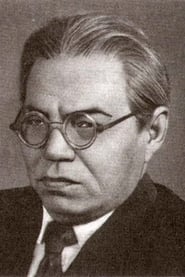

The Romantics
"Set in the high North"
Keys: Space play/pause · ←/→ 10s · F fullscreen · M mute · </> speed
About this film
Set in the high North, this tale of a Russian teacher who begins to educate the children of the Chukchi tribe reinforces the director's firm belief in the power of education to overcome distrust and establish a shared civilizational foundation for all human beings.
Cast & crew
More films like this
More Adventure films
View all →

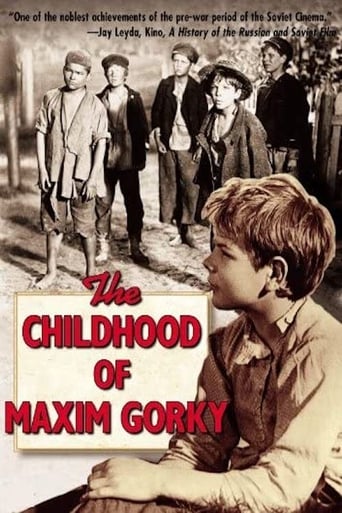
More from Mark Donskoy
View all →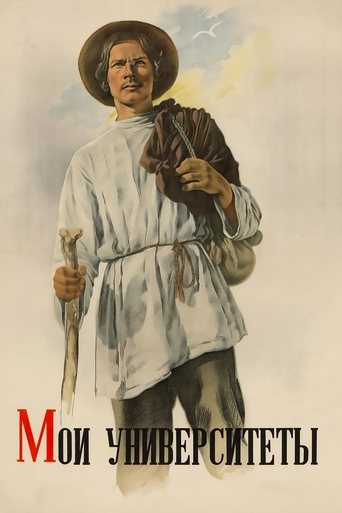


More about this film
About the production
Release date1941
ProductionGoskino
Filmed inSoviet Union (likely Moscow studios with Arctic location shooting)
The film was produced during a critical period in Soviet history, just before the German invasion of the Soviet Union in June 1941. Director Mark Donskoy, known for his socially conscious cinema, likely faced significant challenges filming in Arctic conditions or recreating them authentically. The production would have required careful handling of the representation of indigenous Chukchi people, balancing Soviet educational ideals with respect for traditional cultures.
Themes
Education as civilizing forceCultural exchange and understandingSoviet unity through diversityTeacher as hero figureModernization vs. tradition
Themes & topics
teacherChukchiArcticeducationcultural exchangeSoviet Unionindigenous peoplesremote communitytrustcivilization
Historical background
By 1941, sound cinema, wartime mobilization, and changing censorship norms were reshaping what audiences expected from narrative features.
Why this film matters
The Romantics remains part of the screen heritage of its era, offering evidence of prevailing genres, production methods, and audience tastes. Later revivals, archive screenings, and digitization have kept such titles accessible to researchers and dedicated viewers long after their first commercial runs.
Making of
The production of 'The Romantics' occurred during a pivotal moment in Soviet history, as the country was preparing for what would become the Great Patriotic War. Director Mark Donskoy, already established as one of Soviet cinema's leading humanist directors, approached the subject with his characteristic emphasis on individual dignity and social progress. The film likely required extensive research into Chukchi culture and customs, as well as careful casting to find actors who could authentically portray indigenous characters. Given the remote setting, the production team would have faced significant logistical challenges, whether filming on location in the harsh Arctic environment or recreating these conditions in studio settings. The film's educational message aligned perfectly with Soviet cultural policies of the era, which emphasized literacy and education as tools for building socialism across the diverse peoples of the USSR.
What critics said
Reception records for The Romantics are uneven; interest today is concentrated among archivists, historians, and viewers of older cinema. Modern assessment tends to emphasize historical value, craft, and cultural context rather than box-office performance.
Did you know?
- The film was released in 1941, the same year Nazi Germany invaded the Soviet Union, making it one of the last pre-war Soviet films
- Director Mark Donskoy was particularly known for his trilogy about Maxim Gorky's childhood, establishing him excelled in biographical and social realist cinema
- The Chukchi people featured in the film are an indigenous group native to the Chukotka Peninsula in Russia's Far Northeast
- Soviet films of this era often emphasized the civilizing mission of education in bringing remote peoples into the Soviet system
- The film's themes of education overcoming cultural barriers were central to Soviet ideology of the period
- 1941 was a transitional year for Soviet cinema, as the industry would soon be mobilized for war production
- The representation of indigenous peoples in Soviet cinema evolved significantly from the 1920s through the 1940s
Visual style
The film likely employed visual techniques to emphasize the contrast between the harsh Arctic environment and the warmth of human connection and education. Soviet cinematography of this period often used dramatic lighting to highlight moral and emotional themes, and 'The Romantics' would have utilized these techniques to underscore the transformative power of education. The visual representation of the northern landscape would have been crucial to establishing the film's atmosphere and emphasizing the isolation of the Chukchi community before the teacher's arrival.
Music
The musical score would have likely incorporated elements of traditional Chukchi music alongside Soviet-style orchestral arrangements, reflecting the film's theme of cultural synthesis. Soviet film music of this period typically served to reinforce emotional and ideological themes, and the soundtrack of 'The Romantics' would have supported the narrative of education and unity. The music might have highlighted key moments of cultural exchange and understanding between the teacher and the Chukchi community.
Famous quotes
Education is the bridge that connects all peoples in our great Soviet family
Even in the farthest corners of our land, the light of knowledge will shine
Trust is earned through patience and understanding, not force
Memorable scenes
- The teacher's first arrival in the Chukchi village, facing initial suspicion and resistance
- The breakthrough moment when the children begin to embrace education
- The climactic scene demonstrating the successful integration of traditional Chukchi culture with Soviet education
What audiences thought
Soviet audiences of 1941 would have received the film's message of education and cultural unity positively, as it aligned with widely promoted Soviet values. The story of a teacher bringing enlightenment to remote regions would have resonated with the Soviet emphasis on literacy and education as tools of social progress. The film's release just before the war would have given it particular poignancy, as its themes of unity and shared civilization would soon be tested by the existential threat of invasion. Contemporary audiences viewing the film today might approach it with more critical distance, examining its representation of indigenous peoples and its ideological messaging.
Film connections
Influenced by
- Soviet socialist realist tradition
- Earlier Soviet films about education
- Mark Donskoy's humanist cinema
- Soviet films about national minorities
Film restoration
The preservation status of this specific 1941 Soviet film is uncertain. Many Soviet films from this period, especially those released just before and during World War II, have been lost or exist only in fragmentary form. The film may be preserved in the Russian State Film Archive (Gosfilmofond) or other Soviet-era film collections, but access might be limited.
Where to watch
- Russian State Film Archive (Gosfilmofond)
- Potential screenings at Soviet film retrospectives
- Academic film archives specializing in Soviet cinema