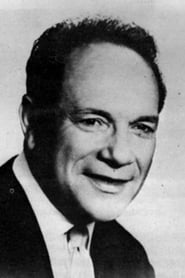
Daniil Sagal
Actor
Born: November 21, 1909 in Moscow, Russian Empire Died: July 20, 1948 Active: 1937-1947 Birth Name: Daniil Lvovich Sagal
Films
11 films

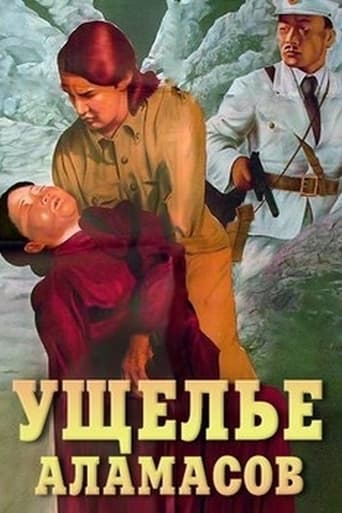
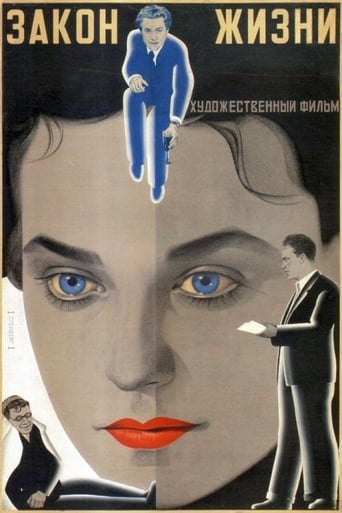
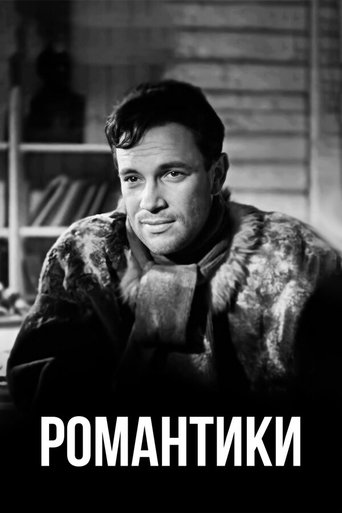
About Daniil Sagal
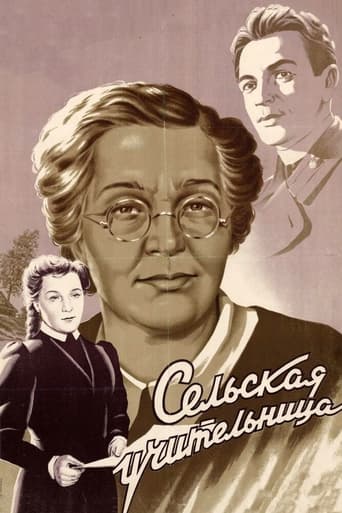
Daniil Lvovich Sagal — prominent Soviet actor whose the pivotal decade of 1937-1947, capturing the essence of Stalinist-era cinema. Born in 1909, he rose to prominence during the height of Soviet socialist realism in film, becoming known for his powerful portrayals of working-class heroes and revolutionary figures. Sagal's breakthrough came with his role in Mark Donskoy's acclaimed Gorky trilogy, where he brought depth and authenticity to characters representing the Soviet ideal. His performances were characterized by a naturalistic intensity that balanced the ideological requirements of the period with genuine emotional depth. Throughout his career, he worked with some of Soviet cinema's most respected directors, including Donskoy and Alexander Zarkhi. Despite his relatively short filmography, Sagal's impact on Soviet cinema was significant, with his roles often cited as exemplars of the period's acting style. His career was cut short by his untimely death at the age of 38, leaving behind a legacy that continues to be studied by film historians interested in Soviet cinema of the 1930s-1940s.
The Craft
On Screen
Sagal was known for his naturalistic approach to acting, which was somewhat revolutionary for the period when many Soviet actors employed more theatrical, declamatory styles. He brought a subtle psychological depth to his characters, particularly in his portrayals of working-class figures. His technique emphasized authentic emotional expression while still meeting the ideological requirements of Soviet cinema. Sagal had a remarkable ability to convey complex inner struggles through minimal gestures and facial expressions, making his performances particularly compelling in close-ups.
Milestones
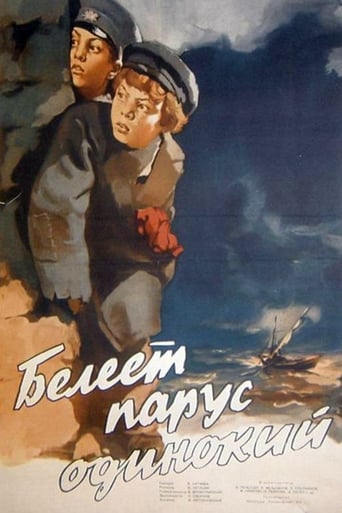
- Breakthrough role in 'The Lonely White Sail' (1937)
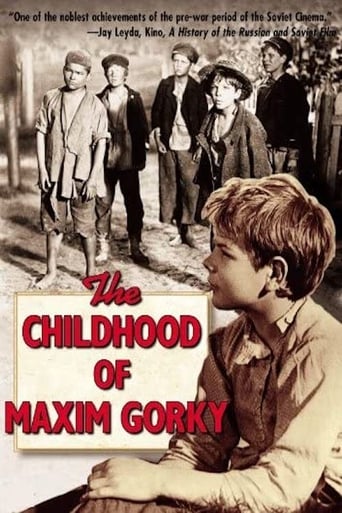
- Critical acclaim in 'The Childhood of Maxim Gorky' (1938)
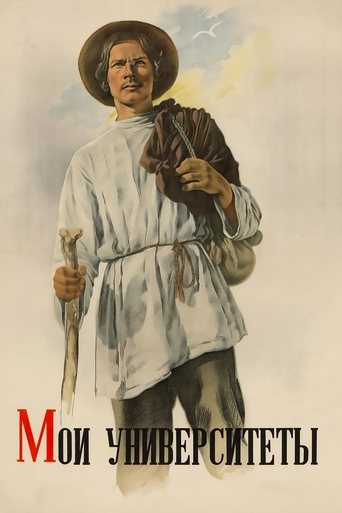
- Key performance in 'My Universities' (1940) completing the Gorky trilogy
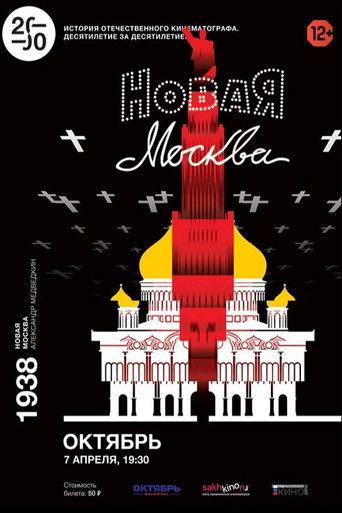
- Leading role in 'The New Moscow' (1938)
- Recognition as one of Soviet cinema's promising character actors
Best Known For
Iconic Roles
Must-See Films
Accolades
Won
- Honored Artist of the RSFSR (1944)
Nominated
- Stalin Prize nomination for acting (1939)
Special Recognition
- Posthumous recognition in Soviet film history archives
- Featured in retrospectives of Soviet cinema
- Mentioned in academic studies of 1930s-40s Soviet film
Working Relationships
Worked Often With
Studios
Why They Matter
Impact on Culture
Daniil Sagal represented the ideal Soviet actor of his generation - technically skilled, ideologically committed, and artistically sincere. His performances helped define the visual language of socialist realism in cinema, particularly in his portrayal of the young Maxim Gorky, which became a template for representing revolutionary consciousness on screen. Sagal's work contributed to the international recognition of Soviet cinema during the 1930s, when his films were shown at various international festivals. His naturalistic acting style influenced a generation of Soviet actors who sought to move beyond the more theatrical traditions of early Soviet film.
Lasting Legacy
Though his career was cut short, Daniil Sagal left an indelible mark on Soviet cinema history. His performances in the Gorky trilogy remain some of the most studied examples of 1930s Soviet acting, frequently analyzed in film schools and academic texts. Sagal is remembered as an actor who successfully navigated the complex demands of creating art within the constraints of the Soviet system, managing to infuse his characters with genuine humanity while satisfying ideological requirements. His early death at 38 has led to speculation about what greater contributions he might have made to cinema had he lived longer, with many film historians considering him one of the great 'what ifs' of Soviet film history.
Who They Inspired
Sagal's naturalistic approach to acting influenced subsequent generations of Soviet actors who sought to bring more psychological realism to their performances. His work with director Mark Donskoy helped establish new standards for character development in Soviet cinema, particularly in biographical films. Contemporary Russian actors who study classic Soviet cinema often cite Sagal's performances as examples of how to maintain artistic integrity within restrictive systems. His technique of conveying complex emotions through subtle rather than overt expressions became increasingly influential in post-war Soviet cinema.
Off Screen
Daniil Sagal was married to fellow actress Valentina Serova, one of Soviet cinema's most celebrated stars of the era. Their marriage was. The couple often attended state functions together and were considered a power couple in the Soviet film industry. Sagal was known among his colleagues as a dedicated professional who took his craft seriously, often spending hours preparing for his roles. Despite his rising fame, he maintained a relatively private personal life, focusing primarily on his work and family.
Education
Graduated from the State Institute of Cinematography (VGIK) in Moscow, class of 1936, where he studied under prominent Soviet acting teachers of the period.
Family
- Valentina Serova (1938-1948, until his death)
Did You Know?
- Was married to Valentina Serova, one of Stalin's favorite actresses
- Died unexpectedly at age 38, cutting short a promising career
- His role as young Gorky was considered
- Studied at VGIK during the period when Soviet film education was being formalized
- Was part of the generation of actors who transitioned Soviet cinema from silent to sound films
- His performances were often used as examples in Soviet acting schools
- Maintained a friendship with director Sergei Eisenstein despite their different approaches to cinema
- Was known for his meticulous preparation for roles, often spending months researching characters
- His death coincided with the beginning of a new era in Soviet cinema under Zhdanov's cultural policies
- Despite his short career, appeared in films that won multiple international awards
In Their Own Words
Acting is not about playing a role, but about discovering the truth within the character and within oneself
In Soviet cinema, we don't just tell stories - we build the future through our art
The young Gorky taught me more about acting than any teacher could - his spirit lives in every frame
Frequently Asked Questions
Who was Daniil Sagal?
Prominent Soviet with credits in this catalog. He was recognized for his naturalistic acting style and his portrayals of working-class heroes during the Stalin era.
What films is Daniil Sagal best known for?
Titles linked here include The Childhood of Maxim Gorky (1938), My Universities (1940).
When was Daniil Sagal born and when did he die?
Born November 21, 1909; died July 20, 1948.
What awards did Daniil Sagal win?
Daniil Sagal was named an Honored Artist of the RSFSR in 1944,. He also received a Stalin Prize nomination for his acting in 1939, recognizing his significant contributions to Soviet cinema.
What was Daniil Sagal's acting style?
Sagal was known for his naturalistic and psychologically nuanced approach to acting, which was somewhat revolutionary for the period. He emphasized authentic emotional expression and subtle gestures rather than the more theatrical styles common in early Soviet cinema, while still meeting the ideological requirements of the time.