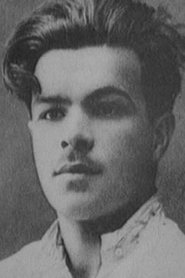
Mark Donskoy
Director
Born: March 6, 1901 in Odessa, Russian Empire (now Ukraine) Died: March 21, 1981 Active: 1930-1970 Birth Name: Mark Semyonovich Donskoy
Films
8 films

About Mark Donskoy
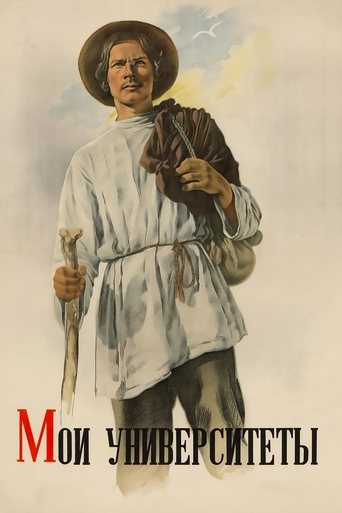
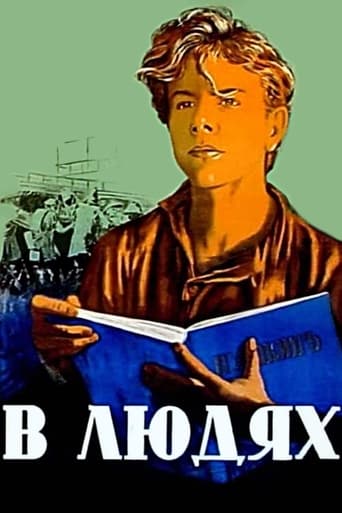
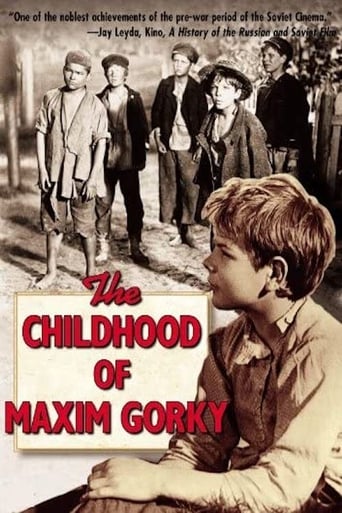
Mark Semyonovich Donskoy — Soviet film director active from the 1930s through the 1960s, though his most celebrated work emerged during the late 1930s and early 1940s. Born in Ukraine in 1901, Donskoy initially pursued a career in medicine before discovering his passion for cinema, studying at the State Institute of Cinematography (VGIK) in Moscow. He rose to prominence with his acclaimed trilogy based on the autobiographical works of Maxim Gorky - 'The Childhood of Maxim Gorky' (1938), 'My Apprenticeship' (1939), and 'My Universities' (1940) - which established him as one of the Soviet Union's most respected directors. During World War II, he created propaganda films that supported the Soviet war effort, including 'How the Steel Was Tempered' (1942), based on Nikolai Ostrovsky's novel. Donskoy's post-war career continued with adaptations of classic Russian literature and contemporary Soviet works, though he faced increasing ideological pressure from Soviet authorities. He was known for his meticulous attention to detail and his ability to translate complex literary works into compelling cinematic narratives. Donskoy's influence extended beyond his own films, as he also served as a mentor to younger generations of Soviet filmmakers and taught at VGIK, shaping the development of Soviet cinema throughout the mid-20th century.
The Craft
Behind the Camera
Mark Donskoy was known for his literary adaptation style, meticulously transforming complex novels and autobiographical works into cinematic narratives. His directing approach emphasized psychological depth and character development, often focusing on the coming-of-age experiences of his protagonists. Donskoy employed a realist aesthetic with careful attention to period detail and social context, particularly in his adaptations of Gorky's works. His visual style combined traditional Soviet socialist realism with more intimate, personal storytelling techniques. Donskoy was particularly skilled at working with child actors, drawing naturalistic performances that became a hallmark of his most celebrated films. His pacing was deliberate and contemplative, allowing for the gradual development of character and theme while maintaining narrative momentum.
Milestones
- Directed the acclaimed Maxim Gorky trilogy (1938-1940)
- Won Stalin Prize multiple times for his cinematic achievements
- Adapted major Russian literary works to film
- Served as artistic director at Gorky Film Studio
- Taught at VGIK (State Institute of Cinematography)
- Created significant wartime propaganda films during WWII
- Received the title of People's Artist of the USSR
- Directed over 20 feature films throughout his career
Best Known For
Must-See Films
Accolades
Won
- Stalin Prize (1941) - for The Childhood of Maxim Gorky and My Apprenticeship
- Stalin Prize (1946) - for How the Steel Was Tempered
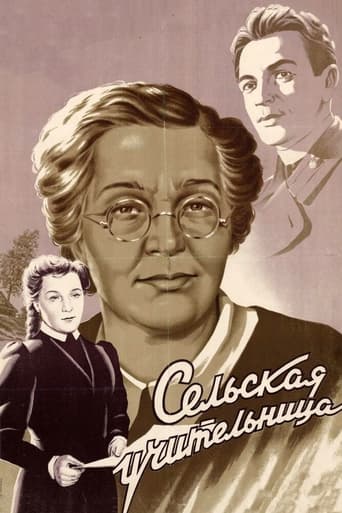
- Stalin Prize (1948) - for The Village Teacher
- Stalin Prize (1949) - for The Young Guard
- Order of Lenin (multiple times)
- People's Artist of the USSR (1966)
- Lenin Prize (1968) - for lifetime achievement
Nominated
- Cannes Film Festival - Grand Prize of the Festival (1951) for The Village Teacher
- Cannes Film Festival - Grand Prize of the Festival (1959) for The Fate of a Man
- Venice Film Festival - Golden Lion (1958) for The Mother
Special Recognition
- Hero of Socialist Labor (1971)
- Order of the Red Banner of Labor
- Order of the October Revolution
- Multiple jubilee medals
- Honored Artist of the RSFSR
Working Relationships
Worked Often With
Studios
Why They Matter
Impact on Culture
Mark Donskoy played a crucial role in shaping Soviet cinema's approach to literary adaptation, establishing standards that would influence generations of filmmakers. His Maxim Gorky trilogy became canonical works in Soviet film education, studied for their masterful translation of autobiographical literature to the screen. Donskoy's films contributed significantly to the Soviet cultural narrative during World War II and the post-war reconstruction period, helping to reinforce national identity and socialist values through cinematic storytelling. His work with child actors set new standards for performance in Soviet cinema, demonstrating that young performers could deliver complex, nuanced portrayals. Donskoy's adaptations of Russian literature helped preserve and popularize classic works for mass audiences, making literature accessible through the medium of film. His teaching career at VGIK ensured his techniques and philosophies were passed to subsequent generations of Soviet directors.
Lasting Legacy
Mark Donskoy's legacy endures through his influential body of work, particularly the Maxim Gorky trilogy, which remains a benchmark for literary adaptation in world cinema. His films continue to be studied in film schools around the world for their sophisticated narrative techniques and psychological depth. Donskoy's approach to character development and his ability to translate complex literary works into accessible cinema influenced not only Soviet filmmakers but also international directors who admired his work. The themes he explored - coming of age, social consciousness, and individual resilience - remain relevant and continue to resonate with contemporary audiences. His mentorship of younger directors helped shape the course of Soviet cinema during its golden age, and his students went on to become some of the most celebrated filmmakers in Russian history. Donskoy's films are regularly restored and screened at international film festivals, introducing new generations to his masterful storytelling.
Who They Inspired
Donskoy's influence on Soviet and world cinema extends through his work in literary adaptation and his development of character-driven narrative techniques. His meticulous approach to adapting complex novels established a methodology that many subsequent directors have emulated. The psychological depth and emotional authenticity he achieved in his films, particularly in his work with child actors, influenced the development of realist performance traditions in Soviet cinema. His teaching at VGIK directly influenced filmmakers like Andrei Tarkovsky, who incorporated elements of Donskoy's contemplative pacing and character focus into their own distinctive styles. Donskoy's success in balancing artistic merit with ideological requirements provided a model for other Soviet directors working within the state system. His films' international recognition helped establish Soviet cinema's reputation on the world stage, paving the way for later Soviet directors to achieve global acclaim.
Off Screen
Mark Donskoy was married twice during his lifetime. His first marriage was to actress Vera Maretskaya, one of Soviet cinema's most celebrated performers, though their marriage ended in divorce. He later married Raisa Donskaya, who remained his partner until his death. Donskoy was known as a demanding but respected figure in the Soviet film industry, maintaining relationships with many prominent artists and intellectuals of his era. Despite his success and official recognition, he faced periods of ideological scrutiny, particularly during the post-Stalin thaw when his earlier works were reevaluated. He spent his later years teaching and mentoring young filmmakers, passing on his extensive knowledge of literary adaptation and character-driven cinema to the next generation.
Education
Odessa Medical Institute (briefly), State Institute of Cinematography (VGIK), Moscow (graduated 1930)
Family
- Vera Maretskaya (1930s-1940s)
- Raisa Donskaya (1940s-1981)
Did You Know?
- Originally studied medicine before switching to cinema
- His Maxim Gorky trilogy was filmed over three consecutive years
- Survived Stalin's purges despite working in a politically dangerous field
- His film 'How the Steel Was Tempered' was based on a novel written by a blind and paralyzed author
- Was a close friend of writer Maxim Gorky before adapting his works
- His films were often used as educational tools in Soviet schools
- Spent time in the United States studying Hollywood production methods in the 1930s
- His son Semyon also became a film director
- Was one of the few directors allowed to adapt controversial literary works during the Stalin era
- His apartment in Moscow became a gathering place for Soviet intellectuals and artists
- Received permission to travel abroad, rare for Soviet directors of his generation
- His films were among the first Soviet productions to receive widespread distribution in Western countries
In Their Own Words
Cinema is not just entertainment; it is a mirror that reflects the soul of a nation and the dreams of its people.
To adapt literature to film is not to betray the original, but to give it new life through the universal language of images.
The most important thing in cinema is truth - emotional truth, historical truth, and artistic truth.
Working with children in film requires patience and understanding; they are not small adults, but artists in their own right.
Every film is a conversation between the director and the audience, across time and space.
The camera must capture not just what happens, but what it means to the human heart.
In Soviet cinema, we have the unique opportunity to create art that serves both the individual and society.
Literature gives us the words, but cinema gives us the experience of those words in living form.
Frequently Asked Questions
Who was Mark Donskoy?
Prominent Soviet on YTB.my. He was a key figure in Soviet cinema during the Stalin era and beyond, earning multiple Stalin Prizes and the title of People's Artist of the USSR for his contributions to film.
What films is Mark Donskoy best known for?
Titles linked here include The Childhood of Maxim Gorky (1938), My Apprenticeship (1939).
When was Mark Donskoy born and when did he die?
Born March 6, 1901; died March 21, 1981.
What awards did Mark Donskoy win?
Donskoy received numerous prestigious awards including four Stalin Prizes (1941, 1946, 1948, 1949), the Lenin Prize (1968), the title of People's Artist of the USSR (1966), and was named a Hero of Socialist Labor (1971). His films also received recognition at international festivals including Cannes and Venice.
What was Mark Donskoy's directing style?
Donskoy was known for his meticulous literary adaptations, emphasizing psychological depth and character development. His style combined Soviet socialist realism with intimate, personal storytelling, featuring deliberate pacing, careful attention to period detail, and exceptional work with child actors. He excelled at transforming complex novels into compelling cinematic narratives.