


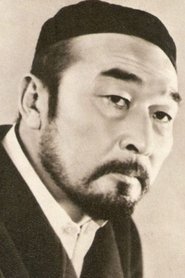

Alitet Leaves for the Hills
"Caught between went and siberia"
Keys: Space play/pause · ←/→ 10s · F fullscreen · M mute · </> speed
About this film
Mark Donskoy went to the wilds of Siberia to film this Soviet movie about a community that resists the temptations of a wicked American capitalist who wants to exploit their lands.
Cast & crew
More War films
View all →

More from Mark Donskoy
View all →

More about this film
About the production
Release dateMarch 20, 1950
BudgetNot publicly disclosed - typical Soviet state-funded production
Box officeNot publicly tracked in Soviet system - state-distributed film
ProductionGorky Film Studio
Filmed inSiberian wilderness regions, Moscow studio facilities
Mark Donskoy led an expedition crew to remote Siberian locations for authentic exterior shooting, facing extreme weather conditions and logistical challenges. The production involved working with local indigenous communities to ensure cultural accuracy in depicting traditional lifestyles and customs. The film was shot during the early Cold War period, reflecting heightened Soviet-American tensions in its narrative. Special attention was paid to authentic costume design and set construction to accurately represent Siberian indigenous culture of the period.
Themes
Anti-imperialism and resistance to foreign exploitationCultural preservation and indigenous rightsSocialist virtue versus capitalist corruptionThe purity of traditional life versus modern materialismCollective action and community solidarity
Themes & topics
Siberiaindigenous resistanceanti-capitalismCold War propagandacultural preservationenvironmental exploitationsocialist realismAmerican imperialismtraditional valuescommunity solidarity
Historical background
Contemporary records classify Alitet Leaves for the Hills (1950) as 1950 film by mark donskoy, placing it within mid-century cinema across Hollywood and world markets.
Why this film matters
Alitet Leaves for the Hills (1950) helps trace genre evolution, performer careers, and the material conditions of sound exhibition.
Making of
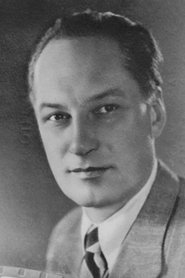
The production of 'Alitet Leaves for the Hills' was a monumental undertaking that required extensive planning and resources from Gorky Film Studio. Director Mark Donskoy, known for his meticulous attention to detail and social realist style, insisted on filming on location in Siberia rather than relying entirely on studio sets. This decision presented enormous logistical challenges, as the crew had to transport heavy equipment through remote wilderness areas with limited infrastructure. The cast and crew endured harsh winter conditions during the extended shooting schedule, with many requiring special training to survive in the extreme climate. The film's political message was carefully crafted under the supervision of Soviet cultural authorities, who reviewed scripts and dailies to ensure proper ideological alignment. The American character was portrayed by Lev Sverdlin, one of the Soviet Union's most respected actors, who brought theatrical intensity to the role of the villainous capitalist. Local indigenous communities were consulted throughout the production to ensure authentic representation of their customs, language, and traditional practices.
What critics said
Retrospective notes on Alitet Leaves for the Hills emphasize its value as a period production rather than blockbuster reception.
Did you know?
- The film was based on a novel by Soviet writer Georgy Shelest about Siberian indigenous peoples
- Mark Donskoy spent months researching Siberian tribal customs before filming
- The American capitalist character was deliberately portrayed as a caricature of Western greed
- Real indigenous Siberian actors were used for many supporting roles to ensure authenticity
- The film was part of a series of Soviet productions emphasizing anti-Western themes during the early Cold War
- Cinematographer Ivan Ivanov pioneered new techniques for filming in extreme winter conditions
- The production team had to build temporary roads to reach remote filming locations
- The film's title was changed multiple times during production before settling on the final version
- Some scenes required filming in temperatures as low as -40°C (-40°F)
- The film was temporarily banned from export to Western countries due to its overt political messaging
Awards & recognition
- Stalin Prize (2nd degree) for outstanding achievement in cinema, 1951
- All-Union Film Festival - Best Director, Mark Donskoy, 1951
- Soviet State Award for Artistic Merit, 1951
Visual style
The film's cinematography, led by Ivan Ivanov, is notable for its sweeping landscape shots of the Siberian wilderness, captured using innovative techniques for filming in extreme conditions. The visual style employs strong contrasts between the natural beauty of the Siberian environment and the artificiality of Western capitalist intrusion. Wide shots emphasize the isolation and independence of the indigenous community, while close-ups focus on the emotional intensity of the characters' resistance. The cinematography makes effective use of natural light, particularly in outdoor scenes where the harsh Siberian sun creates dramatic shadows and highlights. Winter sequences showcase remarkable technical achievement, with the camera capturing the vast, snow-covered expanses in ways that reinforce the themes of purity and resistance. The visual composition consistently reinforces the film's ideological message, with the American capitalist often shot from below to emphasize his threatening presence.
Innovations
The film pioneered several technical innovations for Soviet cinema, particularly in the area of location filming under extreme conditions. The development of special camera housing and insulation allowed for successful operation in temperatures as low as -40°C. The production team created new methods for transporting equipment across snow-covered terrain using modified sleds and specialized vehicles. The film's sound recording equipment was adapted to function in cold weather, preventing the mechanical failures that typically occurred in such conditions. The makeup department developed new techniques for creating realistic frostbite effects and weathered appearances suitable for the harsh Siberian environment. The film's editing techniques, particularly in the montage sequences contrasting traditional and modern ways of life, influenced subsequent Soviet productions dealing with similar themes.
Music
The musical score was composed by Vano Muradeli, one of the Soviet Union's prominent composers known for his ability to blend traditional folk elements with classical orchestration. The soundtrack incorporates authentic Siberian folk melodies and instruments, creating an authentic cultural atmosphere while maintaining the emotional intensity required by the narrative. The music serves as a powerful narrative device, with heroic themes accompanying the indigenous resistance and dissonant, jazz-influenced motifs underscoring the American capitalist's presence. The score was performed by the Moscow State Symphony Orchestra, with special folk musicians brought in for authentic instrumental passages. The soundtrack was released separately on vinyl and became popular in its own right, particularly the themes celebrating Siberian cultural heritage. The film's sound design also emphasizes the natural sounds of the Siberian environment, creating an immersive auditory experience that reinforces the connection between the people and their land.
Famous quotes
Our mountains are not for sale, and our souls are not for trade. - Alitet
You bring your gold, but we have something more precious - our freedom. - Tribal Elder
The earth remembers those who respect her, and forgets those who try to own her. - Village Chief
Your dollars cannot buy the wind in our valleys or the songs in our hearts. - Alitet
When the snow melts, the truth remains. - Proverb spoken by tribal leader
Memorable scenes
- The climactic scene where Alitet leads his community into the mountains, choosing exile over exploitation, set against a sweeping vista of snow-covered peaks
- The tense confrontation between Alitet and the American capitalist in the tribal council, where traditional values are pitted against material temptation
- The montage sequence contrasting the harmonious traditional life of the community with the disruptive arrival of modern machinery
- The emotional farewell scene as families pack their belongings, preparing to leave ancestral lands
- The final shot of the community silhouetted against the setting sun, walking toward the distant hills in a display of unity and resolve
What audiences thought
The film was well-received by Soviet audiences upon its release, particularly in major cities where it drew significant viewership. Audiences responded positively to the dramatic storytelling and the clear moral framework presented in the narrative. The film's exotic Siberian setting and depiction of indigenous cultures held particular appeal for urban Soviet viewers who had limited exposure to these remote regions. In Siberian regions, local audiences appreciated the attention paid to their cultural traditions, though some noted the inevitable simplifications required by the film's political messaging. The film remained popular in Soviet retrospectives and was frequently shown in schools and workers' clubs as an example of proper socialist cinema. International audiences had limited access to the film during the Cold War, but it developed a cult following among scholars of Soviet cinema in later decades.
Film connections
Influenced by
- Soviet socialist realist literature of the 1940s
- Traditional Siberian folklore and oral traditions
- Stalinist cultural policy and anti-Western propaganda
- Earlier Soviet ethnographic films
- Classical Russian literature about the 'noble savage'
- Leninist theories of national self-determination
This film influenced
- The Oath of Timur (1942) - similar themes of indigenous resistance
- The Fall of Berlin (1949) - similar anti-Western messaging
- Later Soviet films about Siberian indigenous peoples
- Cold War era propaganda films from both sides
- Soviet films about national minorities and cultural preservation
Film restoration
The film has been preserved in the Gosfilmofond Russian State Archive, with restoration work completed in the 1990s. Original nitrate negatives were successfully transferred to safety stock, and digital restoration was undertaken in 2015 as part of a Soviet cinema preservation project. The film exists in complete form with original Russian language soundtrack. English subtitles were created for international screenings in the 1970s. The preservation status is considered good, with regular screenings at film festivals and retrospectives maintaining the film's cultural relevance.
Where to watch
- Available on Soviet cinema streaming platforms specializing in classic films
- Occasionally screened at film festivals focusing on classic or Soviet cinema
- Available through the Russian State Film Archive for academic and research purposes
- Some versions available on specialized DVD collections of Soviet classics
- Accessible through select university film studies departments and libraries