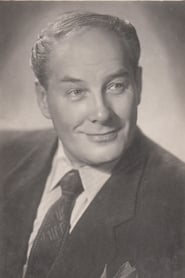
Boris Tenin
Actor
Born: February 22, 1905 in Moscow, Russian Empire Died: September 15, 1965 Active: 1927-1965 Birth Name: Boris Mikhailovich Tenin
Films
6 films
About Boris Tenin
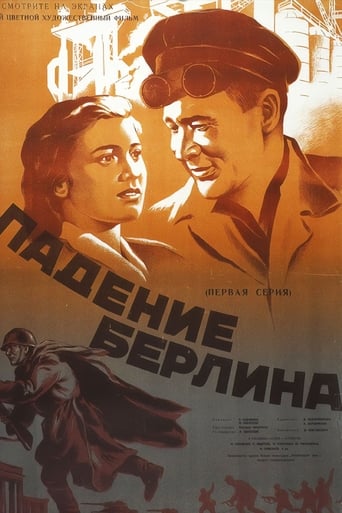
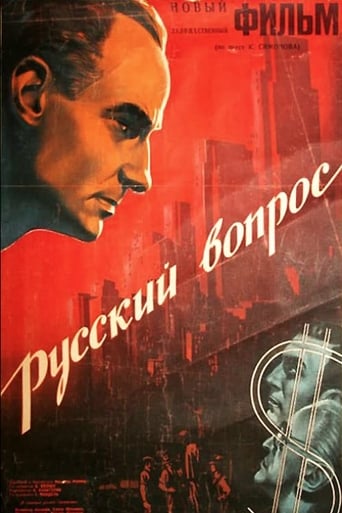
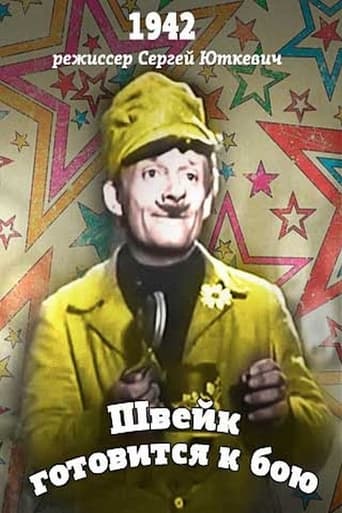
Boris Tenin was character actors of Soviet cinema, renowned for his remarkable versatility and powerful screen presence. Born in Moscow in 1905, he graduated from the prestigious Russian Institute of Theatre Arts (GITIS) in 1927, where he honed his craft under the guidance of theater instructors. Tenin began his career on the stage, joining the Moscow Art Theatre before moving to the Vakhtangov Theatre, where he developed his signature naturalistic acting style. His transition to cinema in the late 1930s marked the beginning of a prolific film career that would span over two decades and include more than fifty films. During World War II, Tenin became particularly known for his patriotic roles in films that boosted Soviet morale, including his memorable performance in 'Schweik is Preparing For Battle.' In the post-war period, he continued to deliver compelling performances in both dramatic and comedic roles, earning critical acclaim for his work in films like 'The Russian Question' and the epic 'The Fall of Berlin.' Tenin was honored with the title of People's Artist of the RSFSR in 1947, recognizing his significant contributions to Soviet performing arts. His career continued until his death in 1965, leaving behind a legacy of memorable performances that showcased his extraordinary range as an actor.
The Craft
On Screen
Tenin was known for his naturalistic and psychologically nuanced acting style, combining methodical character study with spontaneous emotional expression. He possessed remarkable versatility, able to seamlessly transition from comedic roles to deeply dramatic performances. His approach emphasized authenticity and emotional truth, often bringing complex psychological depth to even supporting characters. Tenin's technique was influenced by the Stanislavski system, which he adapted to create uniquely Soviet interpretations of character acting.
Milestones
- Graduated from GITIS in 1927
- Joined Moscow Art Theatre
- Transitioned to Vakhtangov Theatre
- Film debut in 1930s
- Awarded People's Artist of RSFSR (1947)
- Starred in 'The Fall of Berlin' (1949)
- Appeared in over 50 films
- Master of both dramatic and comedic roles
Best Known For
Iconic Roles
Must-See Films
Accolades
Won
- People's Artist of the RSFSR (1947)
- Order of the Red Banner of Labour
- Order of the Badge of Honour
- Stalin Prize (1949) for 'The Fall of Berlin'
Nominated
- Stalin Prize nominations for multiple films
Special Recognition
- Honored Artist of the RSFSR (1940)
- People's Artist of the RSFSR (1947)
- Moscow Art Theatre alumnus
- Vakhtangov Theatre honored member
Working Relationships
Worked Often With
Studios
Why They Matter
Impact on Culture
Boris Tenin played a significant role in shaping Soviet cinema's golden age, particularly during the World War II and post-war periods. His performances in patriotic films helped define the visual language of Soviet heroism and resilience during some of the country's most challenging times. Tenin's ability to portray both ordinary citizens and historical figures with equal authenticity made him a bridge between the common Soviet people and their cinematic representations. His work in satirical films like 'Schweik is Preparing For Battle' demonstrated how humor could be used as a tool of social commentary even within the constraints of Soviet censorship. Tenin's performances contributed to the development of a uniquely Soviet style of character acting that emphasized both individual psychology and collective values.
Lasting Legacy
Boris Tenin's legacy endures as one of Soviet cinema's most versatile and respected character actors. His filmography represents a crucial period in Soviet cultural history, capturing the nation's journey through war, reconstruction, and the early Cold War era. Tenin's approach to acting influenced generations of Soviet performers, particularly in his ability to bring psychological depth to roles that served both artistic and ideological purposes. His performances continue to be studied in Russian film schools as examples of how to balance artistic integrity with the demands of state-sponsored cinema. Tenin's work remains an important part of Russia's cultural heritage, with his films still shown in retrospectives and studied by film historians.
Who They Inspired
Tenin influenced Soviet character acting through his naturalistic approach and psychological depth, inspiring younger actors to pursue authenticity even in ideologically constrained roles. His ability to find humanity in both heroic and comic characters became a model for subsequent generations of Soviet performers. Directors frequently cited Tenin as an ideal actor who could elevate any material through his craft. His work at the Vakhtangov Theatre helped establish a tradition of versatile character acting that continues to influence Russian theater today. Many contemporary Russian actors cite Tenin's performances as foundational to their understanding of the craft.
Off Screen
Boris Tenin was known as a dedicated family man who maintained a relatively private personal life despite his public fame. He married fellow actress Valentina Tokarskaya, with whom he shared both personal and professional interests in theater and cinema. The couple had one daughter, Elena, who followed in her parents' artistic footsteps. Tenin was known among his colleagues for his professionalism, humility, and willingness to mentor younger actors. Despite the pressures of working during the Stalinist era, he maintained his artistic integrity and was respected for his principled stance on creative matters.
Education
Graduated from Russian Institute of Theatre Arts (GITIS) in 1927, studied under prominent theater instructors including Vsevolod Meyerhold's influence through his teachers
Family
- Valentina Tokarskaya (married until his death)
Did You Know?
- Tenin was originally trained as a painter before pursuing acting
- He spoke multiple languages, which helped him in international co-productions
- Despite his fame, he never owned a car and preferred using public transportation
- Tenin was known for his extensive collection of theater memorabilia
- He once performed in a production that ran for over 1,000 consecutive performances
- Tenin was friends with composer Dmitri Shostakovich
- He survived the Siege of Moscow during World War II while continuing to perform
- Tenin was considered for the role of Stalin in several biopics but declined
- He maintained a detailed diary throughout his career, which has become a valuable historical document
- Tenin's performance in 'The Fall of Berlin' was personally praised by Stalin
In Their Own Words
Acting is not about becoming someone else, but about finding yourself in another person's circumstances
The theater teaches us to listen, and cinema teaches us to see - the true artist must master both
Even in the smallest role, one must find the truth of the character
Comedy and tragedy are two sides of the same coin - the coin of human experience
The actor's responsibility is not just to entertain, but to illuminate the human condition
Frequently Asked Questions
Who was Boris Tenin?
Prominent Soviet with credits in this catalog. He appeared in over 50 films during his career and was honored with the title of People's Artist of the RSFSR for his contributions to Soviet cinema and theater.
What films is Boris Tenin best known for?
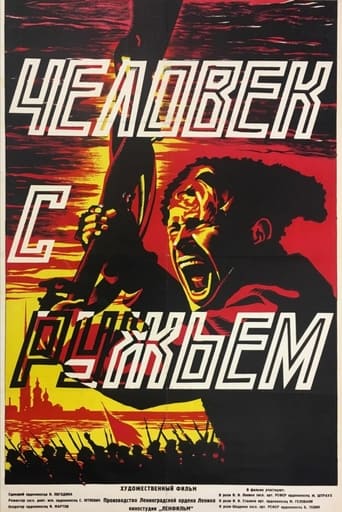
Titles linked here include The Man with the Gun (1938), Schweik is Preparing For Battle (1942).
When was Boris Tenin born and when did he die?
Born February 22, 1905; died September 15, 1965.
What awards did Boris Tenin win?
Tenin received numerous honors including the title of People's Artist of the RSFSR in 1947, the Stalin Prize in 1949 for 'The Fall of Berlin,' the Order of the Red Banner of Labour, and the Order of the Badge of Honour.
What was Boris Tenin's acting style?
Tenin was known for his naturalistic and psychologically nuanced acting style influenced by the Stanislavski system. He excelled at bringing complex psychological depth to his characters and could seamlessly transition between dramatic and comedic roles.
Where did Boris Tenin receive his training?
Tenin graduated from the prestigious Russian Institute of Theatre Arts (GITIS) in 1927, where he studied under prominent theater instructors and was influenced by both Stanislavski and Meyerhold's theatrical traditions.
Did Boris Tenin work in theater as well as film?
Yes, Tenin had a theater career, working at both the Moscow Art Theatre and later the Vakhtangov Theatre. His theatrical background significantly influenced his film acting style and contributed to his reputation as a versatile performer.