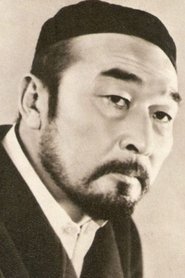
Nurmukhan Zhanturin
Actor
Born: November 25, 1923 in Kazakhstan, Soviet Union Died: 1977 Active: 1948-1977
Films
1 film
About Nurmukhan Zhanturin
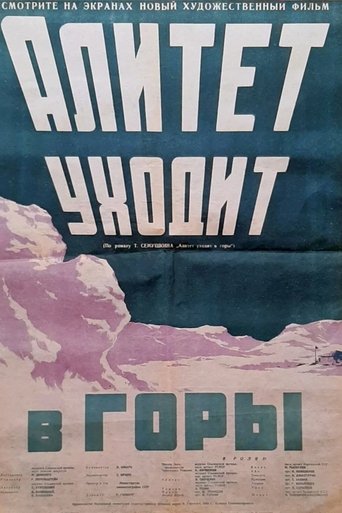
Kazakh Soviet actor who became prominent figures in Central Asian cinema during the Soviet era. Born in 1923 in Kazakhstan, he rose from humble beginnings to become a celebrated performer known for his powerful screen presence and versatility across dramatic and character roles. After graduating from the Kazakh State Institute of Arts, he began his film career in the late 1940s and quickly established himself as a leading actor in Kazakh cinema. His breakthrough performance in 'Alitet Leaves for the Hills' (1950) showcased his ability to portray complex characters with depth and authenticity. Throughout his career, Zhanturin appeared in over 30 films, becoming the face of Kazakh cinema both domestically and internationally. He was particularly renowned for his ability to embody the spirit and struggles of the Kazakh people during the Soviet transformation period. His contributions to cinema were recognized with the highest honors in the Soviet Union, including the title of People's Artist of the USSR. Zhanturin continued acting until his death in 1977, leaving behind a legacy that Kazakh and Central Asian cinema.
The Craft
On Screen
Known for his naturalistic and emotionally powerful performances, Zhanturin specialized in portraying complex characters with psychological depth. His acting style combined traditional Kazakh storytelling techniques with Soviet realist traditions, creating performances that were both authentic and universally relatable. He had a commanding screen presence and was particularly skilled at conveying internal conflict and moral dilemmas through subtle facial expressions and body language.
Milestones
- Breakthrough role in 'Alitet Leaves for the Hills' (1950)
- Awarded People's Artist of the USSR
- Leading actor at Kazakhfilm studio
- Over 30 film appearances spanning three decades
- figure in Kazakh cinema
Best Known For
Iconic Roles
Must-See Films
Accolades
Won
- People's Artist of the USSR
- People's Artist of the Kazakh SSR
- Order of the Badge of Honor
- State Prize of the Kazakh SSR
Nominated
- Multiple Soviet film festival recognitions
Special Recognition
- Honored Artist of the Kazakh SSR
- Cultural Hero of Kazakhstan (posthumous)
Working Relationships
Worked Often With
Studios
Why They Matter
Impact on Culture
Nurmukhan Zhanturin played a crucial role in establishing Kazakh cinema as a significant force within the Soviet film industry. His performances helped bridge traditional Kazakh culture with Soviet cinematic art, creating a unique cinematic language that resonated with both local and international audiences. He was instrumental in bringing Kazakh stories and characters to the forefront of Soviet cinema, helping to preserve and promote Kazakh cultural identity during a period of significant political and social transformation. His work contributed to the development of a distinct Central Asian cinematic aesthetic that influenced generations of filmmakers in the region.
Lasting Legacy
Zhanturin's legacy extends far beyond his filmography; he is remembered as a cultural icon who helped define modern Kazakh cinema. His performances continue to be studied by film students and actors as examples of masterful screen acting. The Nurmukhan Zhanturin Film Festival was established in his honor, celebrating excellence in Kazakh cinema. His influence can be seen in the work of contemporary Kazakh filmmakers who continue to explore themes of cultural identity and social change that Zhanturin pioneered in his performances. He remains a symbol of artistic excellence and cultural pride in Kazakhstan.
Who They Inspired
Zhanturin influenced generations of Kazakh and Central Asian actors through his naturalistic acting style and his ability to authentically portray cultural themes. His work demonstrated how regional cinema could achieve both artistic excellence and international recognition while maintaining cultural authenticity. Many contemporary Kazakh actors cite him as a major influence, particularly in how he balanced traditional storytelling with modern cinematic techniques. His approach to character development and his commitment to cultural representation continue to inspire filmmakers working to preserve and promote their cultural heritage through cinema.
Off Screen
Nurmukhan Zhanturin was deeply committed to his craft and was known as a private individual who devoted most of his life to cinema and theater. He was married and had children who continued his artistic legacy. Despite his fame, he remained connected to his Kazakh roots and often spoke about the importance of preserving cultural identity through art. He was respected by colleagues for his professionalism and dedication to mentoring younger actors in the Kazakh film industry.
Education
Graduated from the Kazakh State Institute of Arts (now Kazakh National Academy of Arts), where he studied acting and theatrical arts
Family
- Information not widely documented
Did You Know?
- Was one of the first Kazakh actors to achieve national recognition in the Soviet Union
- His performance in 'Alitet Leaves for the Hills' was based on a novel by Tikhon Syomushkin
- Spent time studying with traditional Kazakh storytellers to inform his acting technique
- Was fluent in both Kazakh and Russian, allowing him to work in diverse film productions
- Often performed his own stunts in action sequences
- Was known for his extensive preparation method, sometimes spending months researching historical roles
- Helped establish the first professional acting school in Kazakhstan
- His films were frequently shown at international film festivals during the Cold War as examples of Soviet multicultural cinema
- Maintained a collection of traditional Kazakh costumes and artifacts which he used for role preparation
- Was instrumental in preserving traditional Kazakh performing arts through his film work
In Their Own Words
Cinema is the mirror through which our people can see themselves and their history
To act is to breathe life into the stories of our ancestors
Every role is a bridge between our past and our future
The true artist must serve both his art and his people
Frequently Asked Questions
Who was Nurmukhan Zhanturin?
Kazakh Soviet with credits in this catalog. He starred in over 30 films and was awarded the title of People's Artist of the USSR, the highest honor for artists in the Soviet Union.
What films is Nurmukhan Zhanturin best known for?
Titles linked here include Alitet Leaves for the Hills (1950), Our Dear Doctor (1957).
When was Nurmukhan Zhanturin born and when did he die?
Born November 25, 1923; died 1977.
What awards did Nurmukhan Zhanturin win?
Zhanturin received numerous prestigious awards including the title of People's Artist of the USSR, People's Artist of the Kazakh SSR, the Order of the Badge of Honor, and the State Prize of the Kazakh SSR.
What was Nurmukhan Zhanturin's acting style?
Zhanturin was known for his naturalistic and emotionally powerful performances, combining traditional Kazakh storytelling with Soviet realist traditions. He specialized in portraying complex characters with psychological depth and had a commanding screen presence.