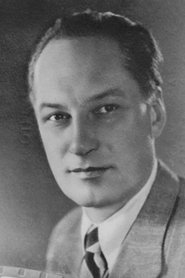
Andrei Abrikosov
Actor
Born: November 14, 1906 in Moscow, Russian Empire Died: October 21, 1973 Active: 1931-1973 Birth Name: Andrei Lvovich Abrikosov
Films
13 films
The Turning Point
1945
Ivan the Terrible, Part I
1944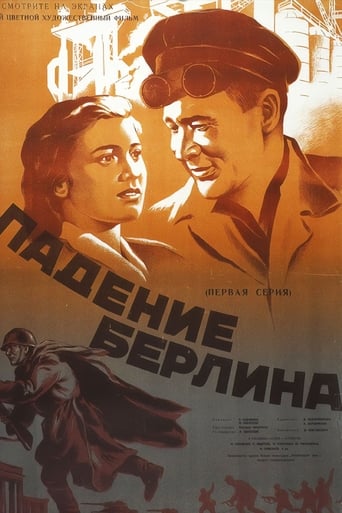
The Fall of Berlin
1949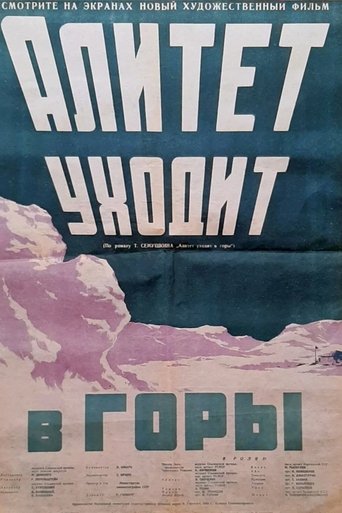
Alitet Leaves for the Hills
1950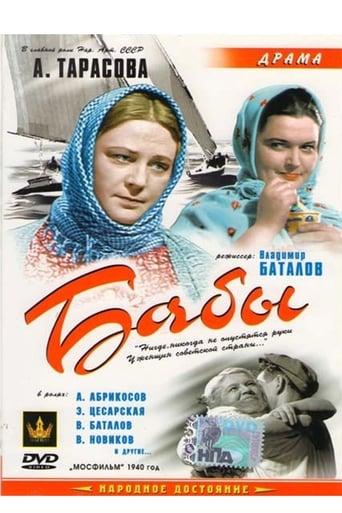
Peasant Women
1940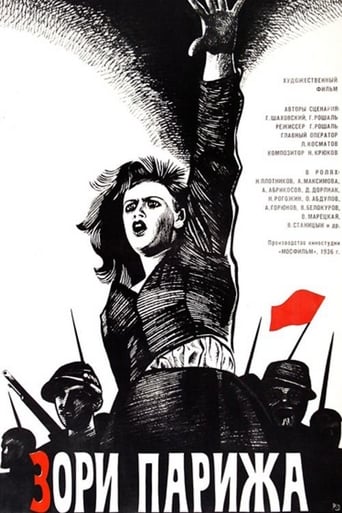
The Paris Commune
1936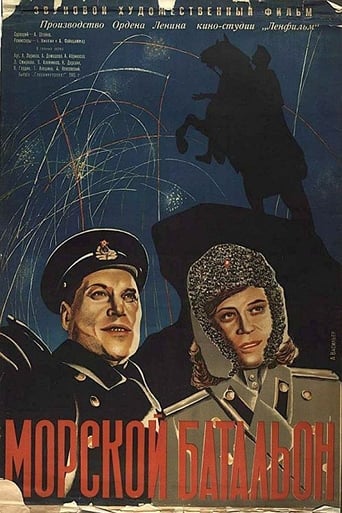
Naval Battalion
1944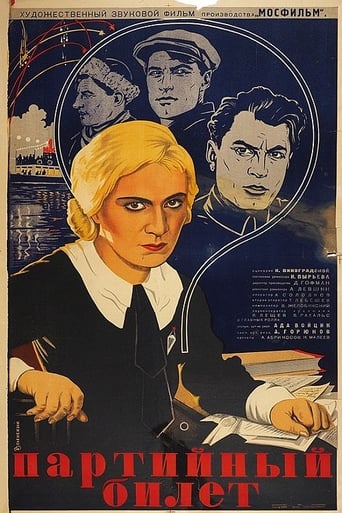
Anna
1936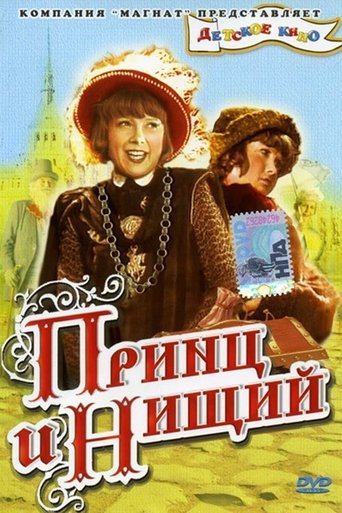
The Prince and the Pauper
1942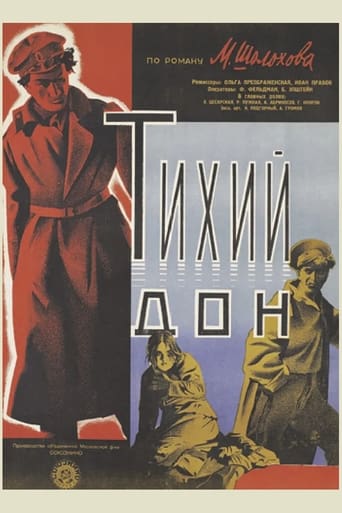
And Quiet Flows the Don
1931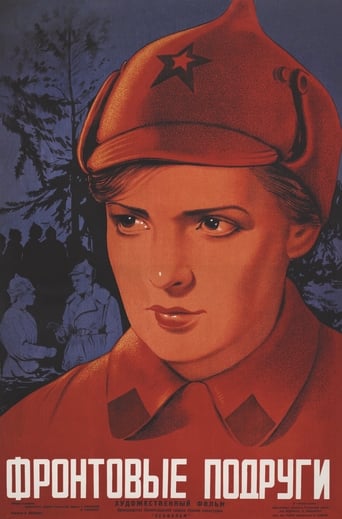
The Girl from Leningrad
1941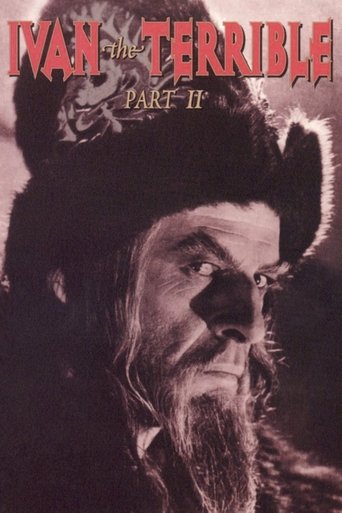
Ivan the Terrible, Part II: The Boyars' Plot
1958About Andrei Abrikosov
Andrei Lvovich Abrikosov was actors of Soviet cinema during the Stalinist era, known for his powerful dramatic performances and commanding screen presence. Born into a wealthy merchant family in Moscow, he initially studied at the Moscow Art Theatre's studio before joining the Vakhtangov Theatre, where he developed his craft alongside other Soviet actors. His breakthrough came with his role as Grigory Melekhov in the 1931 adaptation of Sholokhov's 'And Quiet Flows the Don,' which established him as a leading dramatic actor in Soviet cinema. Throughout the 1930s and 1940s, Abrikosov became a favorite of Soviet directors, particularly Sergei Eisenstein, who cast him in the epic 'Alexander Nevsky' (1938) as the Russian prince's loyal warrior Vasily Buslayev. His performances were characterized by their emotional intensity, psychological depth, and ability to embody the ideal Soviet hero while maintaining human complexity. Despite the political pressures of the era, Abrikosov managed to maintain artistic integrity and continued working successfully through World War II and into the early 1950s. His later career saw him transition to more character roles as he aged, though he remained a respected figure in Soviet theatrical and cinematic circles until his death in 1973.
The Craft
On Screen
Abrikosov's acting style was rooted in the Stanislavski system, characterized by psychological realism, emotional intensity, and a commanding physical presence. He was known for his ability to portray complex characters with depth and authenticity, often embodying the ideal Soviet hero while maintaining human vulnerability. His performances featured powerful vocal delivery, expressive facial features, and a naturalistic approach that avoided theatrical affectation. In his dramatic roles, he excelled at conveying internal conflict and moral complexity, making his characters relatable despite their heroic stature. His technique emphasized thorough character preparation and emotional truth, allowing him to seamlessly transition between intimate scenes and epic moments of cinematic grandeur.
Milestones
- Breakthrough role as Grigory Melekhov in And Quiet Flows the Don (1931)
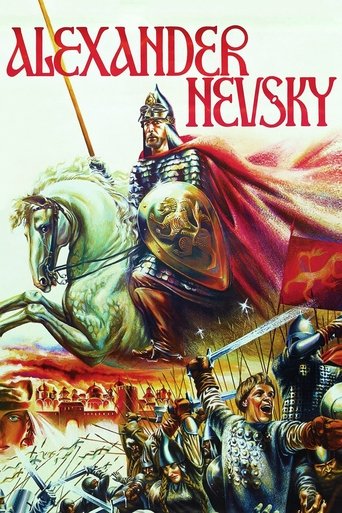
- Starring role in Eisenstein's Alexander Nevsky (1938)
- Awarded the title of People's Artist of the USSR (1968)
- Leading actor at the Vakhtangov Theatre for over 40 years
- Recipient of three Stalin Prizes for his contributions to Soviet art
Best Known For
Iconic Roles
Must-See Films
Accolades
Won
- Stalin Prize (Second Class) for Alexander Nevsky (1939)
- Stalin Prize (First Class) for The Return of Vasili Bortnikov (1948)
- Stalin Prize (First Class) for theatrical performances (1951)
- Order of Lenin (1966)
- Order of the Red Banner of Labour (1946)
- People's Artist of the RSFSR (1944)
- People's Artist of the USSR (1968)
Special Recognition
- Honored Artist of the RSFSR (1937)
- People's Artist of the RSFSR (1944)
- People's Artist of the USSR (1968)
- Star on the Alley of Stars at the Vakhtangov Theatre
Working Relationships
Worked Often With
Studios
Why They Matter
Impact on Culture
Andrei Abrikosov played a crucial role in shaping the aesthetic of Soviet socialist realism in cinema, helping to create the archetype of the Soviet hero that dominated Russian film for decades. His performances in historical epics like 'Alexander Nevsky' helped establish the visual and dramatic language of Soviet historical films, which often served as propaganda tools during the Stalin era. Abrikosov's ability to blend ideological requirements with artistic integrity made him a model for subsequent generations of Soviet actors. His work contributed to the international recognition of Soviet cinema, particularly through Eisenstein's films that achieved critical acclaim abroad. As a teacher and mentor at the Vakhtangov Theatre, he influenced generations of Soviet performers, helping to maintain the theatrical traditions of the Russian Silver Age within the constraints of the Soviet system. His portrayal of historical and contemporary Soviet figures helped create a cultural memory that aligned with official Soviet narratives while maintaining artistic credibility.
Lasting Legacy
Andrei Abrikosov's legacy endures as one of the foundational figures of Soviet cinema and theater, representing both the artistic excellence and ideological complexities of the Stalinist cultural era. His performances continue to be studied as exemplars of the Stanislavski system applied to cinema, and his films remain important historical documents of Soviet cultural production. The Vakhtangov Theatre, where he worked for most of his career, continues to honor his memory as one of its most alumni. His influence can be seen in the work of subsequent generations of Russian actors who studied his techniques and performances. Abrikosov's films, particularly 'Alexander Nevsky' and 'And Quiet Flows the Don,' remain classics of world cinema and are regularly screened at film festivals and retrospectives of Soviet art. His ability to navigate the treacherous political waters of Soviet cultural life while maintaining artistic integrity serves as a case study in the relationship between art and politics in totalitarian societies.
Who They Inspired
Abrikosov influenced generations of Soviet and Russian actors through his performances and teaching, particularly in his approach to psychological realism and character development. His work with Sergei Eisenstein helped establish techniques for epic historical filmmaking that influenced directors both within and beyond the Soviet Union. Many prominent Soviet actors, including Mikhail Ulyanov and Yevgeny Leonov, cited Abrikosov as a major influence on their acting style and career choices. His method of preparing for roles, which involved extensive historical research and psychological analysis, became standard practice for serious actors in the Soviet system. The emotional intensity and ideological clarity of his performances set a template for Soviet heroic roles that persisted throughout the Cold War era. His teaching at the Vakhtangov Theatre helped preserve and transmit the theatrical traditions of the Russian avant-garde to new generations of performers.
Off Screen
Abrikosov came from a prominent Moscow family - his father was the famous confectioner Vladimir Abrikosov, and his mother was the actress Elena Abrikosova. Despite his family's bourgeois background, he embraced Soviet ideology and became one of the regime's most celebrated cultural figures. He married actress Antonina Bogdanova, with whom he had two children who also pursued careers in the arts. His son, Andrei Abrikosov Jr., became a well-known theater director, while his daughter Elena followed in her parents' footsteps as an actress. Abrikosov maintained a relatively private personal life, focusing primarily on his work in theater and film. He survived the political purges of the 1930s that claimed many of his colleagues, possibly due to his immense popularity and the protection of influential cultural figures.
Education
Graduated from the Vakhtangov Theatre School (1926), studied under Yevgeny Vakhtangov and later under Ruben Simonov
Family
- Antonina Bogdanova (1930-1973)
Did You Know?
- Came from the famous Abrikosov family of Moscow confectioners
- His father's chocolate factory was nationalized after the revolution
- Survived the Great Purge despite his bourgeois origins
- Was Eisenstein's first choice for the lead in 'Ivan the Terrible' but was replaced by Nikolai Cherkasov
- Spoke fluent French, which was unusual for Soviet actors of his generation
- His performance in 'Alexander Nevsky' was praised by both Soviet critics and Western reviewers
- Refused to join the Communist Party until 1948, despite pressure from authorities
- Maintained a lifelong friendship with composer Sergei Prokofiev
- Was one of the few actors allowed to travel abroad for cultural exchanges during the Cold War
- His personal library contained over 5,000 books, many of which were rare Western editions
In Their Own Words
The actor must not simply play the role, he must become the role - this is the essence of our art
In Soviet cinema, we don't just entertain, we educate and inspire
The stage is my home, but the screen is my window to the world
Every role is a battle, and the actor must emerge victorious
To understand the Soviet hero, one must understand the Soviet soul
Frequently Asked Questions
Who was Andrei Abrikosov?
Prominent Soviet with credits in this catalog.' He was.
What films is Andrei Abrikosov best known for?
Titles linked here include And Quiet Flows the Don (1931), Alexander Nevsky (1938).
When was Andrei Abrikosov born and when did he die?
Born November 14, 1906; died October 21, 1973.
What awards did Andrei Abrikosov win?
Abrikosov received three Stalin Prizes, was named People's Artist of the USSR in 1968, and was awarded the Order of Lenin and Order of the Red Banner of Labour for his contributions to Soviet art and cinema.
What was Andrei Abrikosov's acting style?
Abrikosov's acting was based on the Stanislavski system, characterized by psychological realism, emotional intensity, and a commanding physical presence. He excelled at portraying complex characters with depth while embodying the ideal Soviet hero.
Did Andrei Abrikosov work with famous directors?
Yes, he collaborated with legendary Soviet directors including Sergei Eisenstein in 'Alexander Nevsky,' Mikhail Romm, and Ivan Pyryev. His work with Eisenstein was particularly significant in establishing his reputation.
What was Andrei Abrikosov's connection to theater?
Abrikosov — longtime member of the Vakhtangov Theatre in Moscow, where he worked for over 40 years. He considered the stage his artistic home and continued performing in theater throughout his film career.