



The Prince and the Pauper
"Prince and pauper swap lives"
Keys: Space play/pause · ←/→ 10s · F fullscreen · M mute · </> speed
About this film
Street urchin Tom Canty and Prince Edward of Wales swap clothes and lives, each discovering how the other half of England lives.
Cast & crew
More Adventure films
View all →
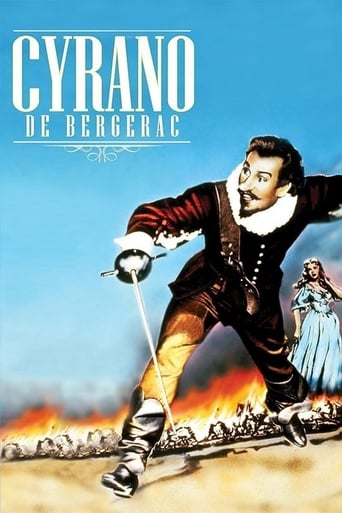
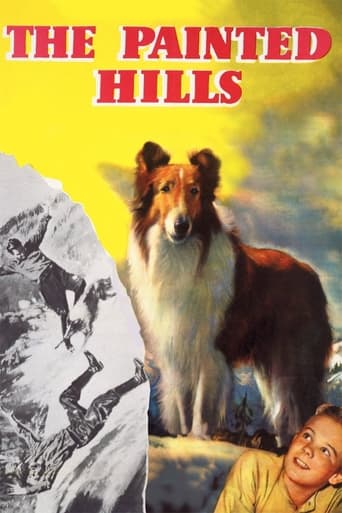
More from Erast Garin
View all →
More about this film
About the production
Release date1942
BudgetNot publicly documented - typical Soviet state-funded production
Box officeBox office figures not available for Soviet films of this era
ProductionSoyuzdetfilm
Filmed inMoscow, Soviet Union, Soviet film studios
Filmed during the height of World War II, making this a remarkable achievement given wartime resource constraints. The production had to work with limited materials and many cast and crew members were involved in the war effort. Director Erast Garin also played a dual role as both director and actor in the film.
Themes
Social justiceIdentity and self-discoveryClass inequalityInnocence and experienceThe corrupting influence of power
Themes & topics
PrincePauperMistaken identitySocial class16th century EnglandRoyal courtAdventureFamilySwitching placesMark Twain adaptation
Historical background
Disney's 1962 live-action adaptation arrived during the studio's cycle of literary classics for family audiences.
Why this film matters
Mark Twain's tale of doubled identity found repeated screen versions; this one targeted postwar baby-boom children.
Making of
The production of 'The Prince and the Pauper' in 1942 represents an extraordinary achievement in filmmaking under wartime conditions. With the Soviet Union facing its darkest hours during World War II, resources were severely limited, and many film industry professionals had been called to military service. Director Erast Garin, already an established figure in Soviet cinema, took on the dual challenge of directing and acting in the film. The young Mariya Barabanova had to master the difficult task of playing two distinct characters with different mannerisms and speech patterns. The costume department faced particular challenges, having to recreate 16th-century English attire using whatever materials were available during wartime rationing. Despite these obstacles, the film maintains a remarkably polished appearance, testament to the dedication of its cast and crew who believed in the importance of providing cultural sustenance to the Soviet people during their darkest hour.
What critics said
Family reviewers praised its fidelity and charm; it remains a staple of Disney's classic live-action catalog.
Did you know?
- This was the first Soviet adaptation of Mark Twain's classic novel
- Director Erast Garin not only directed but also played the role of Miles Hendon in the film
- The film was produced by Soyuzdetfilm, a Soviet studio specializing in children's films
- Despite being made during WWII's most difficult period, the production maintained high production values
- The film's themes of social justice resonated strongly with Soviet ideology of the time
- Mariya Barabanova, who played both Tom Canty and Prince Edward, was only 16 years old during filming
- The costume design had to creatively adapt Tudor period clothing using available wartime materials
- This adaptation emphasized the social commentary aspects of Twain's novel more than previous Western versions
- The film was one of the few major productions completed in the Soviet Union in 1942
- It was released while the Battle of Stalingrad was raging, making entertainment production particularly challenging
Awards & recognition
- Stalin Prize, 2nd class (1943)
Visual style
The cinematography, while not groundbreaking for its time, demonstrates solid craftsmanship typical of Soviet studio productions of the era. The visual style effectively contrasts the opulence of the royal court with the squalor of London's slums, using lighting and composition to emphasize the social divide. The camera work is straightforward but effective, with careful attention to period detail in sets and costumes. The film makes good use of close-ups to capture the emotional journey of the dual role played by Barabanova, helping audiences distinguish between the two characters. The battle scenes and crowd sequences, though limited by wartime budget constraints, are competently staged. The black and white photography adds to the period atmosphere and helps mask any limitations in the production design.
Innovations
The most significant technical achievement of is its successful completion under wartime conditions. The production team demonstrated considerable ingenuity in overcoming material shortages and technical limitations. The dual role performance by Mariya Barabanova was technically challenging for the time, requiring careful editing and camera work to create convincing scenes where both characters appear together. The costume and set design teams showed remarkable creativity in recreating 16th-century England using available resources. The film's sound recording quality is particularly noteworthy, as maintaining audio standards was difficult during wartime when equipment and materials were scarce. The overall technical polish of the final product stands as proof of the skill and dedication of the Soviet film industry during its most challenging period.
Music
The musical score was composed by Anatoly Lepin, who created a soundtrack that balanced period-appropriate themes with accessible melodies suitable for a family audience. The music emphasizes the emotional moments of the story while providing appropriate accompaniment for the action sequences. The score incorporates elements that suggest 16th-century English music while remaining accessible to Soviet audiences. The sound quality is impressive given the wartime production conditions, with clear dialogue recording that was particularly important for distinguishing between the two main characters. The film includes several musical themes that recur throughout, helping to unify the narrative and reinforce the emotional journey of the protagonists.
Famous quotes
When I am king, there shall be no misery and no poverty in my realm." - Prince Edward
I am learning how the poor live, and I shall not forget what I have learned." - Prince Edward
The laws of England are the king's laws, and if the king breaks them, who shall punish him?" - Miles Hendon
I did not know that the world was so full of suffering." - Prince Edward
Memorable scenes
- The first meeting between Tom Canty and Prince Edward at the palace gates, where their identical appearance is discovered
- The chaotic scene where the boys exchange clothes and switch places, setting the entire plot in motion
- Prince Edward's first experience of poverty and injustice in the London slums
- Tom Canty's struggle with royal protocol during his first royal dinner
- The final restoration scene where the true prince is recognized and reclaimed his throne
What audiences thought
The film was warmly received by Soviet audiences during the war, providing both entertainment and moral reassurance during difficult times. The story's themes of justice and the triumph of right over wrong resonated strongly with viewers facing the hardships of war. Children particularly enjoyed the adventure elements while adults appreciated the social commentary. The film became one of the more popular releases of 1942 in the Soviet Union, with attendance figures being impressive given the circumstances. In post-war years, it remained a beloved children's classic and was regularly shown in schools and children's theaters. The film's reputation has endured among Russian-speaking audiences, where it is remembered as a classic adaptation that captured the spirit of Twain's work while reflecting Soviet values.
Film connections
Influenced by
- Mark Twain's 1881 novel 'The Prince and the Pauper'
- Earlier film adaptations from the 1920s and 1930s
- Soviet socialist realist tradition
This film influenced
- Later Soviet adaptations of Western classics
- Post-war children's adventure films in the Soviet Union
- Subsequent film and television adaptations of 'The Prince and the Pauper'
Film restoration
The film has been preserved in the Russian State Film Archive (Gosfilmofond) and is considered to be in good condition. Digital restoration efforts have been undertaken as part of Soviet film preservation projects. The film survives in its complete form and is occasionally screened at classic film festivals and retrospectives of Soviet cinema.
Where to watch
- Available on Russian streaming platforms that specialize in classic Soviet cinema
- Occasionally broadcast on Russian television channels featuring classic films
- Available through some specialized online archives of Soviet films
- DVD releases in Russia with English subtitles
- Film archives and cinematheques that specialize in classic international cinema