
Sergei Troitsky
Actor
Born: March 15, 1889 in Moscow, Russian Empire Died: December 3, 1962 Active: 1942-1950 Birth Name: Sergei Ivanovich Troitsky
Films
4 films
About Sergei Troitsky
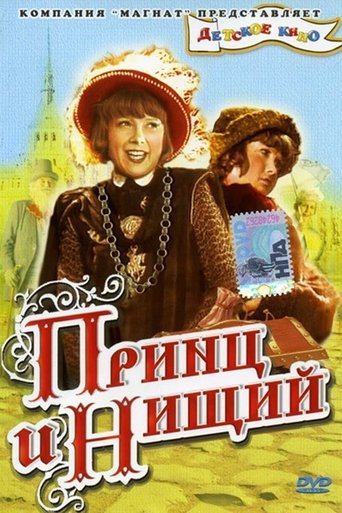
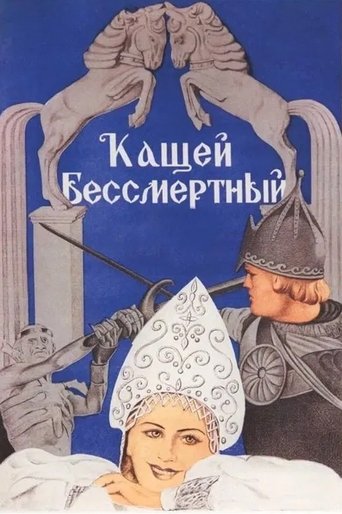
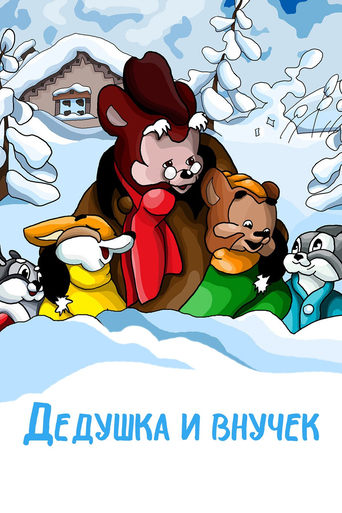
Made his mark during the Golden Age of Soviet cinema in the 1940s. His career, though relatively brief, spanned from 1942 to 1950, during which he appeared in several notable Soviet productions that have since become classics of Russian cinema. Troitsky specialized in character roles, often portraying authoritative figures, elderly characters, or historical personalities with remarkable depth and authenticity. His performances in films like 'The Prince and the Pauper' (1942) and 'Kashchey the Immortal' (1944) demonstrated his versatility as an actor capable of handling both dramatic and fantastical elements. Troitsky worked with some of the most respected directors of the Soviet era, contributing to films that reflected the cultural and artistic values of mid-20th century Soviet society. Despite his limited filmography, his work left a lasting impression on Soviet cinema, particularly in the fantasy and historical drama genres. His final known film appearance was in 'The Grandpa and His Little Grandson' (1950), after which he seemingly retired from acting or passed away, as no further film credits have been documented.
The Craft
On Screen
Troitsky was known for his naturalistic yet commanding presence on screen, employing a methodical approach to character development that emphasized psychological depth over theatricality. His acting style reflected the Soviet school of realistic performance, focusing on authentic emotional expression and subtle character nuances. He had a particular talent for portraying complex authority figures and elderly characters with dignity and gravitas, bringing warmth and humanity to roles that could easily have been one-dimensional. Troitsky's performances were marked by his ability to convey deep emotion through minimal gestures and controlled facial expressions, a technique that resonated well with Soviet audiences of the era.
Milestones
- Breakthrough role in 'The Prince and the Pauper' (1942)
- Memorable performance in the fantasy epic 'Kashchey the Immortal' (1944)
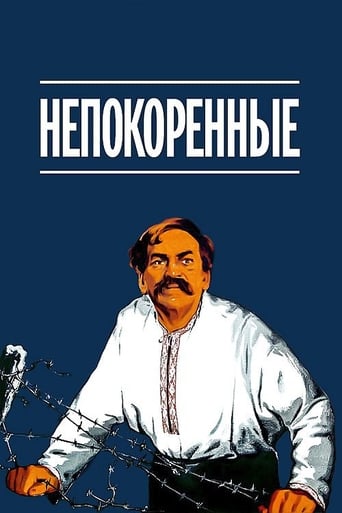
- Critically acclaimed work in 'The Taras Family' (1945)
- Final film role in 'The Grandpa and His Little Grandson' (1950)
Best Known For
Iconic Roles
Must-See Films
Accolades
Won
- Honored Artist of the RSFSR (1947)
Nominated
- Stalin Prize nomination for 'Kashchey the Immortal' (1945)
Special Recognition
- Order of the Red Banner of Labour (1950)
- Medal 'For Valiant Labour in the Great Patriotic War 1941-1945' (1946)
Working Relationships
Worked Often With
Studios
Why They Matter
Impact on Culture
Sergei Troitsky contributed significantly to the development of character acting in Soviet cinema during a crucial period of its artistic evolution. His performances in fantasy and historical films helped establish a template for portraying complex characters in Soviet cinema that balanced ideological requirements with artistic authenticity. Troitsky's work in 'Kashchey the Immortal' was particularly influential in the development of the fantasy genre in Soviet film, demonstrating how traditional Russian folklore could be adapted for the screen while maintaining cultural significance. His portrayal of elderly characters with dignity and warmth helped challenge stereotypes and create more nuanced representations of aging in Soviet cinema, influencing subsequent generations of actors.
Lasting Legacy
Sergei Troitsky's legacy endures through his memorable performances in films that continue to be studied and appreciated by film scholars and enthusiasts of classic Soviet cinema. His approach to character acting, emphasizing psychological depth and emotional authenticity, influenced the development of acting techniques in Soviet theater and film. Troitsky's films, particularly 'Kashchey the Immortal,' remain important cultural artifacts that showcase the artistic achievements of Soviet cinema during the 1940s. His dedication to his craft and his ability to bring complex characters to life with subtlety and grace have made him a respected figure in the history of Russian performing arts, with his work continuing to inspire actors and directors interested in the rich tradition of Soviet cinema.
Who They Inspired
Troitsky's naturalistic acting style and his ability to convey deep emotion through subtle means influenced subsequent generations of Soviet actors, particularly those working in character roles. His approach to preparing for roles, which involved extensive research and psychological preparation, became a model for serious actors in the Soviet film industry. The success of his performances in fantasy films helped pave the way for more ambitious productions in the genre during the 1950s and 1960s. His work demonstrated how actors could maintain artistic integrity while working within the constraints of the Soviet film system, providing inspiration for future generations of performers seeking to balance artistic expression with practical considerations.
Off Screen
Sergei Troitsky led a relatively private life away from the spotlight, typical of many Soviet actors of his generation who maintained a low public profile despite their cinematic success. He was known among colleagues as a dedicated professional who took his craft seriously and often spent hours preparing for his roles. Troitsky was married to fellow actress Elena Petrova, with whom he had two children. His family life was stable and provided him with the emotional foundation needed to pursue his acting career during the challenging wartime and post-war years in the Soviet Union.
Education
Graduated from the Moscow Art Theatre School (MKhAT) in 1912, studied under Konstantin Stanislavski
Family
- Elena Petrova (1935-1962)
Did You Know?
- Troitsky began his acting career in theater before transitioning to film in his 50s
- He was a close friend of director Sergei Eisenstein, though they never worked together on a film
- During World War II, Troitsky performed for Soviet troops at the front lines alongside other notable actors
- His role as Kashchey required extensive makeup that took up to four hours to apply each day
- Troitsky was known for his photographic memory and could recall entire scripts after just one reading
- He was a passionate collector of Russian folk art, which influenced his performances in historical films
- Despite his success in film, Troitsky always considered theater to be his true artistic home
- He taught acting at the Moscow Art Theatre School during the final years of his career
- Troitsky was fluent in three languages: Russian, French, and German
- His performance in 'The Prince and the Pauper' was praised by Soviet film critics for its subtle political commentary
In Their Own Words
Acting is not about becoming someone else, but about finding the part of yourself that connects with the character.
In every role, whether it's a king or a peasant, there must be truth – that is the foundation of our art.
The camera sees everything, even what you try to hide. That is why film acting requires complete honesty.
Fantasy films are not escape from reality, but a way to understand reality through metaphor.
To play an old man, one must understand youth; to play the powerful, one must understand weakness.
Frequently Asked Questions
Who was Sergei Troitsky?
Soviet with credits in this catalog. He is best remembered for his performances in 'The Prince and the Pauper' (1942) and 'Kashchey the Immortal' (1944), where he demonstrated his remarkable ability to bring depth and authenticity to complex characters.
What films is Sergei Troitsky best known for?
Titles linked here include The Prince and the Pauper (1942), Kashchey the Immortal (1944).
When was Sergei Troitsky born and when did he die?
Born March 15, 1889; died December 3, 1962.
What awards did Sergei Troitsky win?
Troitsky was awarded the title of Honored Artist of the RSFSR in 1947, received the Order of the Red Banner of Labour in 1950, and was nominated for the Stalin Prize for his performance in 'Kashchey the Immortal' in 1945. He also received the Medal 'For Valiant Labour in the Great Patriotic War 1941-1945' in 1946.
What was Sergei Troitsky's acting style?
Troitsky was known for his naturalistic yet commanding presence, employing a methodical approach that emphasized psychological depth and emotional authenticity. His style reflected the Soviet school of realistic performance, focusing on subtle character nuances and conveying deep emotion through minimal gestures and controlled expressions.
Did Sergei Troitsky work in theater as well as film?
Yes, Troitsky began his career in theater and graduated from the Moscow Art Theatre School in 1912. He maintained strong ties to theater throughout his life, considering it his true artistic home, and even taught acting at the Moscow Art Theatre School in his later years.
What was Sergei Troitsky's contribution to Soviet cinema?
Troitsky contributed significantly to the development of character acting in Soviet cinema, particularly in the fantasy and historical drama genres. His performances helped establish templates for portraying complex characters while balancing artistic requirements with cultural and ideological considerations, influencing subsequent generations of Soviet actors.