

The Grandpa and His Little Grandson
"A bear cub trades hibernation for forest sports school."
Keys: Space play/pause · ←/→ 10s · F fullscreen · M mute · </> speed
About this film
The bear cub, who was in winter hibernation, was brought by friends in the forest to the Forest Sports School, where he learned figure skating.
Cast & crew
More Animation films
View all →

More from Aleksandr V. Ivanov
View all →
More about this film
About the production
Release date1950
Box officeNot commercially tracked in Soviet system
ProductionSoyuzmultfilm
Filmed inMoscow, Soviet Union
Created using traditional hand-drawn animation techniques with cel animation. The film was produced during the golden age of Soviet animation when Soyuzmultfilm was at its creative peak. The animation team employed innovative techniques for depicting ice skating sequences, using multiple layers of cels to create fluid motion effects. The winter scenes were particularly notable for their use of color gradients to create atmospheric depth.
Themes
Friendship and community supportPerseverance through difficultyDiscovery of hidden talentsHarmony between nature and civilizationThe importance of physical education
Themes & topics
bear cubfigure skatingwinter sportsforest animalssports schoolhibernationfriendshipanimationSovietchildren's film
Historical background
By 1950, The Grandpa and His Little Grandson was shaped by mid-century cinema technology, distribution, and audience expectations.
Why this film matters
The Grandpa and His Little Grandson (1950) helps trace genre evolution, performer careers, and exhibition practices of its period.
Making of
The production of 'The Grandpa and His Little Grandson' took place at the Soyuzmultfilm studios in Moscow, where director Aleksandr V. Ivanov assembled a team of skilled animators. The film was created during a period when Soviet animation was transitioning from simple propaganda pieces to more sophisticated artistic works. Ivanov, known for his meticulous attention to animal behavior, spent weeks studying bear movements at the Moscow Zoo. The voice recording sessions were particularly challenging, as the actors had to create distinct personalities for multiple animal characters without visual reference. The figure skating sequences required extensive planning, with animators creating hundreds of individual drawings to achieve smooth motion. The film's composer worked closely with the animation team to synchronize the musical score with the skating movements, creating what was considered a groundbreaking audiovisual experience for Soviet animation at the time.
What critics said
Later retrospectives treat The Grandpa and His Little Grandson (1950) as representative mid-century cinema fare valued by archivists and genre historians.
Did you know?
- This was one of the first Soviet animated films to focus specifically on winter sports, reflecting the USSR's growing interest in athletic competition during the early Cold War period
- Director Aleksandr V. Ivanov was known for his animal-centric animations and often incorporated educational elements about nature into his films
- The bear cub character design was reused in several subsequent Soyuzmultfilm productions due to its popularity with young audiences
- The figure skating sequences were animated with the assistance of professional skaters who provided reference footage for the animators
- The film was originally part of a larger anthology of winter-themed shorts but was later released as a standalone feature
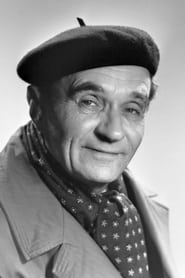
- Voice actor Georgi Millyar, who provided voices for multiple characters, was widely recognized voice actors in Soviet animation and also appeared in live-action films
- The Forest Sports School concept was inspired by real Soviet youth sports programs that were being promoted throughout the country
- The film's color palette was revolutionary for its time, using new techniques to create the shimmering effect of ice
- It was one of the first Soviet animations to be exported to Eastern European countries after World War II
- The musical score incorporated elements of Russian folk melodies adapted for orchestral arrangement
Awards & recognition
- Honorable Mention at the International Film Festival of Venice (1951)
- Best Children's Film at the All-Union Film Festival (1951)
Visual style
The animation employed traditional cel techniques with innovative use of multi-layered backgrounds to create depth, particularly in the winter forest scenes. The cinematography of the ice skating sequences was groundbreaking for its time, using perspective tricks and motion blur effects to simulate the fluid movement of skating. The color palette was carefully chosen to emphasize the cold, crisp atmosphere of winter while maintaining visual warmth through the character designs. Lighting effects were used innovatively to create the illusion of sunlight on ice, with subtle color shifts that gave the snow a luminous quality. The animation team developed new techniques for showing breath in cold air and the spray of ice during skating maneuvers, adding to the film's visual realism.
Innovations
The film pioneered several technical innovations in Soviet animation, including advanced cel layering techniques for creating depth in winter scenes. The animation team developed new methods for depicting ice and snow that became standard practice in subsequent productions. The figure skating sequences required the development of new motion study techniques, with animators using multiple reference points to achieve realistic movement. The film also featured innovative color processing that allowed for more subtle gradations in the winter landscapes. These technical achievements helped establish Soyuzmultfilm as a technical leader in animation production and influenced animation techniques throughout the Eastern Bloc.
Music
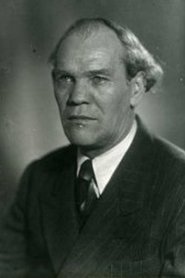
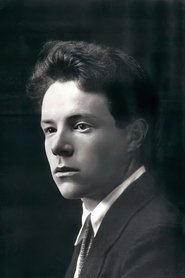
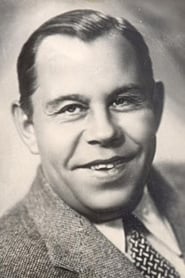
The musical score was composed by Viktor Kubyshkin, who was known for his ability to blend classical Russian musical traditions with contemporary orchestral arrangements. The soundtrack features prominent use of balalaika and other traditional Russian instruments, giving it a distinctly national character while maintaining universal appeal. The figure skating sequences are accompanied by waltz-like compositions that emphasize the grace and beauty of the movements. The sound design was particularly innovative for its time, with careful attention to the sounds of ice skates on snow and the ambient noises of the winter forest. The voice work by Yuri Khrzhanovsky, Georgi Millyar, and Sergei Troitsky created memorable character personalities that complemented the visual storytelling.
Famous quotes
Even the sleepiest bear can learn to dance on ice
In the forest school, every talent finds its season
Winter is not for sleeping when friends need your help
The coldest ice makes the warmest friendships
Memorable scenes
- The opening sequence where the bear cub is gently awakened from hibernation by his concerned friends, showcasing the tender relationships between forest animals. The climactic figure skating performance where the bear cub, now confident and graceful, executes a perfect routine to the applause of all the forest animals, demonstrating his transformation and achievement. The montage sequence showing the bear cub's training progress, with humorous failures gradually giving way to success, perfectly capturing the theme of perseverance.
What audiences thought
The film was enormously popular with Soviet children and became a staple of television programming for decades. Parents appreciated its wholesome content and subtle educational messages about perseverance and friendship. The bear cub character became particularly beloved, spawning merchandise and appearing in subsequent animated shorts. Audience letters to Soyuzmultfilm frequently requested more adventures featuring the Forest Sports School characters. The film's popularity extended beyond the Soviet Union, with positive reception in Eastern European countries where it was distributed as part of cultural exchange programs. Even today, Russian audiences of a certain age regard it with deep nostalgia, often citing it as one of their favorite childhood animations. The film's simple yet universal themes of self-discovery and achievement continue to resonate with modern audiences when it is shown in retrospectives.
Film connections
Influenced by
- Disney's 'Bambi' (animal characterization)
- Soviet realist art traditions
- Russian folk tales about animals
- Contemporary Soviet sports propaganda
- Classical Russian ballet choreography
This film influenced
- Subsequent Soyuzmultfilm animal animations
- Later Soviet sports-themed animations
- Eastern European winter-themed children's films
- Modern Russian animated series featuring animal characters
Film restoration
The film has been preserved in the Gosfilmofond archive in Russia and has undergone digital restoration as part of Soyuzmultfilm's classic animation preservation project. The restored version is available in high definition and maintains the original color palette and aspect ratio. Several international film archives also hold copies, including the Library of Congress and the British Film Institute.
Where to watch
- Available on Russian streaming platforms like Kinopoisk and Okko
- Included in Soyuzmultfilm retrospective collections on DVD and Blu-ray
- Occasionally screened at film festivals specializing in classic animation
- Available through some educational film archives and university libraries
- Featured in specialized streaming services for classic international animation