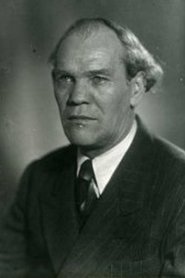
Aleksandr V. Ivanov
Director
Born: 1899 in Moscow, Russian Empire Died: 1975 Active: 1936-1950 Birth Name: Aleksandr Vladimirovich Ivanov
Films
6 films
About Aleksandr V. Ivanov
Soviet animator and director who in the development of Russian animation during the 1930s and 1940s. Working primarily at the renowned Soyuzmultfilm studio, Ivanov specialized in creating animated adaptations of Russian folk tales and fables, bringing traditional stories to life through innovative animation techniques. His the crucial formative years of Soviet animation, from the establishment of dedicated animation studios through the post-war period when the industry flourished. Ivanov was particularly known for his work with animal characters, especially foxes, which became recurring protagonists in his films. His directorial style emphasized storytelling rooted in Russian cultural heritage while incorporating contemporary animation methods. Throughout his career, he contributed to establishing the distinctive aesthetic and narrative approach that would characterize Soviet animation for decades. Ivanov's work helped lay the foundation for subsequent generations of Russian animators and contributed to the international recognition of Soviet animation as a unique artistic medium.
The Craft
Behind the Camera
Ivanov's directing style was characterized by a strong emphasis on narrative storytelling rooted in Russian folklore and traditional fables. He employed a distinctive visual approach that combined detailed character animation with rich, painterly backgrounds, creating a distinctive aesthetic that became synonymous with early Soviet animation. His work often featured anthropomorphic animal characters, particularly foxes, which he used to explore moral and social themes in a manner accessible to audiences of all ages. Ivanov was known for his careful attention to pacing and his ability to balance entertainment with educational elements, reflecting the cultural priorities of the Soviet era. His animation technique showed influences from both traditional Russian art forms and emerging international animation styles, resulting in a unique hybrid approach.
Milestones
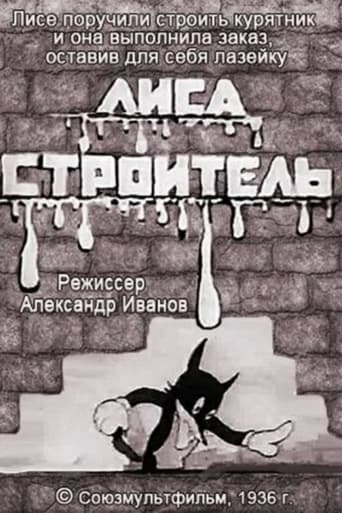
- Directed Fox the Builder (1936), one of the early Soviet animated features
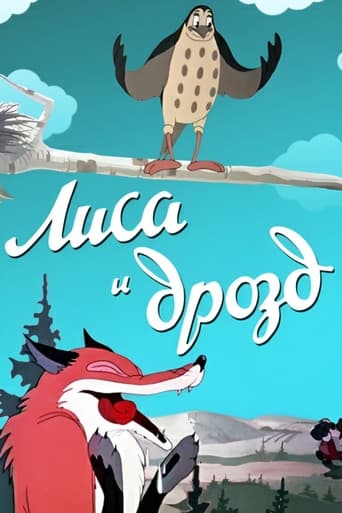
- Created The Fox and the Thrush (1946), establishing his signature fox character motif
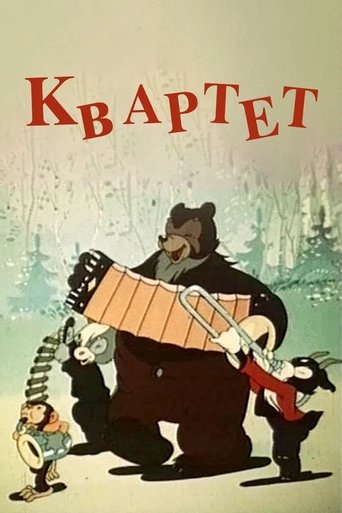
- Directed Quartet (1947), showcasing his ability to adapt literary works
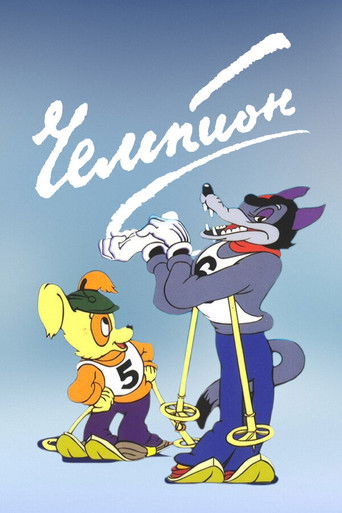
- Made Champion (1948), demonstrating versatility in subject matter
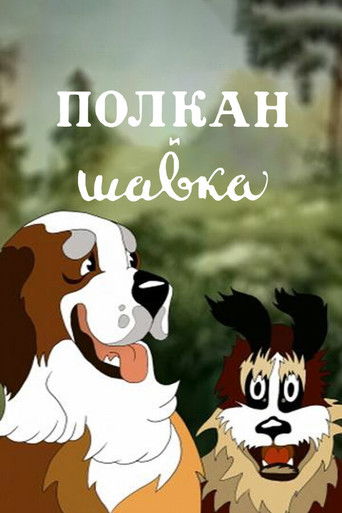
- Completed Polcan and Shavka (1949), cementing his reputation in Soviet animation
Best Known For
Must-See Films
Accolades
Won
- Order of the Badge of Honor (1950)
- Honored Artist of the RSFSR (1969)
Nominated
- Stalin Prize nomination for The Fox and the Thrush (1946)
Special Recognition
- Recognition as a Pioneer of Soviet Animation
- Posthumous retrospective at Moscow International Film Festival (1976)
Working Relationships
Worked Often With
Studios
Why They Matter
Impact on Culture
Aleksandr V. Ivanov made significant contributions to the development of Soviet animation as both an artistic medium and cultural institution. His work helped establish animation as a legitimate form of artistic expression in the Soviet Union, elevating it from simple entertainment to a vehicle for cultural education and moral instruction. Ivanov's adaptations of Russian folk tales played a crucial role in preserving and popularizing traditional stories for new generations of Soviet citizens, helping to maintain cultural continuity during a period of rapid social and political change. His distinctive visual style and narrative approaches influenced countless animators who followed, contributing to the unique aesthetic that characterized Soviet animation throughout the Cold War era. Ivanov's films were often exported to other socialist countries, helping to spread Soviet cultural values and artistic achievements internationally.
Lasting Legacy
Aleksandr V. Ivanov's legacy endures through his contributions to the foundation of Soviet animation and his influence on subsequent generations of Russian animators. His films continue to be studied and appreciated as examples of early animation mastery and as cultural artifacts that reflect the values and aesthetics of their time. Ivanov's work helped establish the distinctive Soviet animation style that would gain international recognition and influence animation worldwide. His emphasis on adapting Russian folklore created a tradition of culturally-rooted animation that continues in Russian animation today. The techniques and approaches he developed for animating animal characters, particularly his signature fox protagonists, became standard practices in Soviet animation studios. Ivanov's career serves as an example of how artists could maintain creative integrity while working within state-controlled cultural systems, a balance that many Soviet artists had to navigate.
Who They Inspired
Ivanov directly influenced several prominent Soviet animators who would become major figures in Russian animation, including Fyodor Khitruk and Yuri Norstein. His approach to adapting literary works and folk tales into animation became a model for subsequent Soviet animators working on similar projects. The visual techniques he developed for creating expressive animal characters were adopted and expanded upon by his protégés and colleagues. His success in balancing artistic merit with educational content demonstrated how animation could serve both entertainment and cultural purposes, influencing the philosophy behind Soviet animation production for decades. Ivanov's work also showed international animators how to create culturally specific animation that could still resonate with global audiences, contributing to the cross-cultural exchange of animation techniques and ideas.
Off Screen
Private individual who dedicated most of his life to his craft and the development of Soviet animation. He lived through the tumultuous periods of Russian history, including the revolution, civil war, and World War II, which significantly influenced his artistic perspective and thematic choices. Ivanov was known among his colleagues as a meticulous artist who often worked long hours perfecting his animations. He was married and had children who followed in his artistic footsteps, with his son also working in the film industry. Despite the political pressures of the Stalin era, Ivanov managed to maintain artistic integrity while navigating the complex requirements of Soviet cultural policy.
Education
Moscow Art School (1917-1921), studied under prominent Russian avant-garde artists
Family
- Maria Ivanova (1925-1975)
Did You Know?
- Fox the Builder (1936) was one of the first Soviet animated films to use cel animation extensively
- Ivanov's fox characters became so popular that they inspired merchandise and children's books
- During World War II, Ivanov continued working on animation, creating propaganda films to support the war effort
- The Fox and the Thrush (1946) was one of the first Soviet animated films to be exported to Western countries after the war
- Ivanov was known for his meticulous attention to detail, often spending months perfecting a single character's movements
- His studio at Soyuzmultfilm became a training ground for many future animation directors
- Ivanov pioneered techniques for animating animal fur that were revolutionary for their time
- Despite working during the Stalin era, none of his films were banned or censored for political reasons
- He was one of the few Soviet animators to receive formal recognition during his lifetime
- His films were often screened in schools as educational tools about Russian folklore and moral values
In Their Own Words
Animation is not just moving pictures; it is bringing stories to life through the magic of art
Every frame must tell a story, every movement must have meaning
The fox is the perfect character for animation - clever, expressive, and universally understood
In Soviet animation, we must educate while we entertain, uplift while we amuse
Our folk tales are the soul of our culture; animation gives them new life for new generations
Frequently Asked Questions
Who was Aleksandr V. Ivanov?
Soviet animator and on YTB.my. He was known for his animated adaptations of Russian folk tales, particularly stories featuring fox characters, and played a significant role in establishing the distinctive style of Soviet animation.
What films is Aleksandr V. Ivanov best known for?
Titles linked here include Fox the Builder (1936), The Fox and the Thrush (1946).
When was Aleksandr V. Ivanov born and when did he die?
Born 1899; died 1975.
What awards did Aleksandr V. Ivanov win?
Ivanov received the Order of the Badge of Honor in 1950 and was named an Honored Artist of the RSFSR in 1969. He was also nominated for the Stalin Prize for his film The Fox and the Thrush in 1946, recognizing his significant contributions to Soviet animation.
What was Aleksandr V. Ivanov's directing style?
Ivanov's directing style emphasized storytelling rooted in Russian folklore, featuring anthropomorphic animal characters, especially foxes. He combined detailed character animation with rich backgrounds, balancing entertainment with educational elements while reflecting Soviet cultural values. His work was known for its meticulous attention to detail and distinctive visual aesthetic.