Fox the Builder
"The fox was assigned to build a chicken coop and she fulfilled the order"
Keys: Space play/pause · ←/→ 10s · F fullscreen · M mute · </> speed
About this film
The fox was assigned to build a chicken coop and she fulfilled the order, leaving a loophole for herself.
Cast & crew
More films like this
More Animation films
View all →



More from Aleksandr V. Ivanov
View all →

More about this film
About the production
Release date1936
ProductionSoyuzdetmultfilm
Filmed inMoscow, Soviet Union
This film was produced during the formative years of Soviet animation, when the industry was still developing its distinctive style and techniques. The animation was created using traditional hand-drawn methods on celluloid, which was the standard technology of the era. Like many early Soviet animations, it was likely produced with limited resources and a small team of animators working under state direction.
Themes
Deception and cunningTrust and vigilanceThe consequences of greedFolk wisdom and traditional valuesThe importance of careful supervision
Themes & topics
foxchicken coopdeceptionbuilderfarm animalsfolk talemoral lessoncunningtrustloophole
Historical background
By 1936, sound cinema, wartime mobilization, and changing censorship norms were reshaping what audiences expected from narrative features.
Why this film matters
Fox the Builder remains part of the screen heritage of its era, offering evidence of prevailing genres, production methods, and audience tastes. Later revivals, archive screenings, and digitization have kept such titles accessible to researchers and dedicated viewers long after their first commercial runs.
Making of
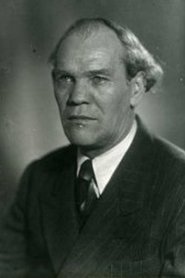
The production of 'Fox the Builder' took place during a crucial transitional period in Soviet animation history. The 1930s saw the consolidation of various small animation studios into larger state-controlled enterprises. Director Aleksandr V. Ivanov was among the first generation of Soviet animators who had to adapt their artistic vision to serve the ideological goals of the state. The animation team would have worked with extremely limited resources, using basic equipment and handmade materials. Each frame was hand-drawn and painted, requiring hundreds of hours of meticulous work for even this short film. The story selection reflects the Soviet practice of adapting traditional folk tales to convey moral lessons that aligned with socialist values. The production likely faced significant technical challenges, including shortages of quality materials and primitive equipment by modern standards.
What critics said
Reception records for Fox the Builder are uneven; interest today is concentrated among archivists, historians, and viewers of older cinema. Modern assessment tends to emphasize historical value, craft, and cultural context rather than box-office performance.
Did you know?
- This film was directed by Aleksandr V. Ivanov, one of the pioneering directors of early Soviet animation
- The film was produced by Soyuzdetmultfilm, which would later become part of the famous Soyuzmultfilm studio
- 1936 was a significant year for Soviet animation, marking the period when the industry was consolidating under state control
- The story is based on traditional Russian folk tales featuring the cunning fox (lisitsa) as a common character
- Early Soviet animations like this one were typically very short, often under 15 minutes, due to production constraints
- The film would have been created using traditional cel animation techniques, hand-painted on celluloid sheets
- Like many Soviet animations of the 1930s, it likely contained subtle social or political messages beneath its seemingly simple story
- The fox character in Russian folklore traditionally represents cunning, intelligence, and sometimes deception
- This film predates the golden age of Soviet animation that would emerge in the 1940s and 1950s
- Very few copies of early Soviet animations from this period have survived to the present day
Visual style
The visual style of 'Fox the Builder' reflects the technical limitations and aesthetic preferences of early Soviet animation. The animation would have been created using traditional cel animation techniques, with characters hand-drawn on celluloid sheets over painted backgrounds. The color palette, if the film was in color, would have been limited by the available technology of the time. Character designs likely emphasized clear, simple shapes to ensure visibility and recognizability, following the educational mandate of Soviet animation. Movement would have been relatively basic by modern standards, with emphasis on key poses and actions rather than subtle nuances. The background art probably featured the simplified, stylized environments typical of 1930s animation, designed to complement rather than distract from the narrative action.
Innovations
While 'Fox the Builder' does not represent major technical breakthroughs in animation, it was created using the standard techniques of its era that were still relatively new at the time. The film would have used the cel animation process, which involved drawing characters on transparent celluloid sheets and photographing them over painted backgrounds. This technique, developed in the United States in the 1910s, was still being refined and standardized in the Soviet Union during the 1930s. The sound synchronization would have been achieved using the optical sound-on-film technology that was standard for the period. The production team would have worked with rostrum cameras and basic editing equipment that was primitive by modern standards. The film's survival for nearly 90 years is itself a technical achievement, given the fragility of early film stock and the historical upheavals that occurred in the Soviet Union.
Music
Specific information about the soundtrack of 'Fox the Builder' is not available, but early Soviet animations typically featured simple musical scores that supported the narrative action. The music would have been performed by a small orchestra using traditional instruments, with melodies that reflected Russian folk traditions. Sound effects would have been created manually in the studio using basic techniques. If the film included dialogue, it would have been recorded live with the voice actors, a common practice in early sound animation. The musical score likely followed the pattern of emphasizing key moments in the story and helping to convey the emotional tone of each scene. Soviet animators of this period often used music as an important narrative tool, especially in films with limited dialogue.
Memorable scenes
- The scene where the fox cleverly designs and builds the chicken coop, secretly incorporating the hidden entrance that only she knows about - this moment showcases her cunning nature and sets up the story's moral conflict
What audiences thought
Audience reception data for 'Fox the Builder' is not available from contemporary sources, as systematic audience research was not conducted for Soviet animated shorts of this era. However, films based on familiar folk tales with animal characters were generally popular with Soviet children, who would have recognized the fox character from traditional stories. The simple, clear narrative and moral lesson would have made it accessible to young audiences. The film's brevity (approximately 10 minutes) made it suitable for screening as part of longer theater programs, which was the common exhibition practice for animated shorts of this period. Modern audiences rarely have the opportunity to see this film due to its limited distribution and preservation status.
Film connections
Influenced by
- Traditional Russian folk tales
- Aesop's Fables
- Earlier Soviet propaganda animations
- Disney's early animal cartoons (in terms of technique)
This film influenced
- Later Soviet animal animations
- Post-war Soviet moral tales
- Modern Russian animated adaptations of folk stories
Film restoration
The preservation status of 'Fox the Builder' is uncertain, as many early Soviet animated films from the 1930s have been lost or exist only in fragmentary form. The film stock used during this period was often unstable, and the political and social upheavals of the 20th century in Russia resulted in the loss of significant portions of early Soviet cinema archives. If copies have survived, they would likely be held in the Russian State Film Archive (Gosfilmofond) or specialized animation archives. Restoration efforts for early Soviet animation have been limited, focusing primarily on more famous or historically significant works.
Where to watch
- Due to its age and obscurity, 'Fox the Builder' is not currently available on mainstream streaming platforms or home video formats. The film may be accessible through specialized film archives, particularly the Russian State Film Archive, or during rare screenings at film festivals or museum exhibitions focusing on animation history. Animation researchers and serious film scholars might be able to view the film through academic channels or by contacting Soviet film preservation institutions directly.