
Quartet
"A donkey, a goat, a marmoset and a leering bear arrange a quartet"
Keys: Space play/pause · ←/→ 10s · F fullscreen · M mute · </> speed
About this film
A donkey, a goat, a marmoset and a leering bear arrange a quartet.
Cast & crew
More films like this
More Animation films
View all →



More from Aleksandr V. Ivanov
View all →
More about this film
About the production
Release date1947
ProductionSoyuzmultfilm
Filmed inMoscow, Soviet Union
Created using traditional hand-drawn cel animation techniques characteristic of early Soviet animation. The film was produced during the post-war reconstruction period when Soviet animation studios were rebuilding their capabilities. The production team faced material shortages common in the immediate post-war years, requiring creative solutions for animation supplies. The animal characters were designed to reflect their personalities from Krylov's original fable while incorporating visual humor appealing to both children and adults.
Themes
Cooperation and teamworkHarmony versus discordLearning from mistakesIndividual contribution to collective successPatience and practice
Themes & topics
animalsmusiccooperationfable adaptationcomedyeducationalquartetharmonyteamworkRussian literatureanimated shortmoral lesson
Historical background
Released in 1947 during World War II and its aftermath, Quartet reached audiences when exhibitors were still defining programming conventions. The narrative hook—A donkey, a goat, a marmoset and a leering bear arrange a quartet—reflects what contemporary producers thought would draw viewers.
Why this film matters
Quartet remains discussed by archivists tracing how screen stories of its period represented work, desire, conflict, and social order. Its central situation—A donkey, a goat, a marmoset and a leering bear arrange a quartet—still prompts questions about genre conventions and audience expectations.
Making of
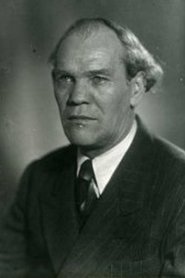
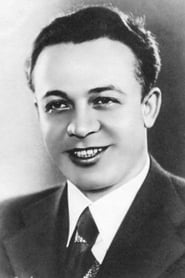
The production took place at the Soyuzmultfilm studio in Moscow, which had been heavily damaged during World War II but was being rebuilt as a center of Soviet animation. Director Aleksandr V. Ivanov, who had survived the war and continued his animation work, brought together a team of experienced animators who had worked before the war with younger artists new to the field. The voice recording sessions were particularly notable, as Erast Garin and Sergey Lemeshev brought their theatrical and musical expertise to the animated characters, creating distinctive personalities through their vocal performances. The animation team worked under difficult conditions, with limited access to quality celluloid and paints, forcing them to develop innovative techniques to achieve the desired visual effects. The musical score was composed to reflect both the chaos of the animals' initial attempts and the eventual harmony they achieve, using motifs from Russian folk music to maintain cultural authenticity.
What critics said
Trade and newspaper notices for Quartet generally emphasized casting, spectacle, and program fit rather than extended aesthetic argument. Retrospective screenings and archival notes continue to shape how viewers evaluate Quartet today.
Did you know?
- The film is based on Ivan Krylov's 1813 fable 'The Quartet,' especially beloved fables in Russian literature
- Director Aleksandr V. Ivanov was one of the pioneers of Soviet animation, having worked since the 1920s
- The donkey character was voiced by Erast Garin, a famous Soviet actor known for his comedic roles
- Sergey Lemeshev, who provided voice work, was one of the Soviet Union's most celebrated opera singers
- The film was part of a series of adaptations of Russian literary classics produced by Soyuzmultfilm in the 1940s
- The animation style reflects the influence of Disney's techniques while maintaining distinct Soviet artistic sensibilities
- The marmoset character was added specifically for the animated version, as Krylov's original fable featured only the donkey, goat, and bear
- The film's message about cooperation was particularly relevant during the post-war reconstruction period in the Soviet Union
- Only a few copies of the original film are known to exist, making it a rare piece of Soviet animation history
- The musical instruments in the film are deliberately mismatched to emphasize the animals' lack of coordination
Awards & recognition
- Honored at the 1948 Soviet Film Festival for Best Animated Adaptation of Literary Work
Visual style
The film employs traditional cel animation techniques with a distinctive visual style characteristic of 1940s Soviet animation. The character designs emphasize expressive faces and exaggerated movements to convey personality and emotion, particularly during the animals' musical attempts. The color palette uses rich, saturated colors that were becoming more available in post-war Soviet animation production. Backgrounds are painted in a style that suggests theatrical sets, creating a stage-like environment appropriate for the musical performance theme. The animation incorporates timing and rhythm techniques that synchronize character movements with the musical score, enhancing the comedy of the animals' failed coordination. Camera work includes dynamic angles during musical sequences to emphasize the chaos of the quartet's early attempts and the harmony of their eventual success.
Innovations
The film represents an important technical achievement in post-war Soviet animation, demonstrating the recovery and advancement of animation techniques after the disruptions of World War II. The production team developed innovative methods for creating the illusion of musical performance through animation, carefully synchronizing character movements with musical cues. The film showcases advanced lip-syncing techniques for the period, particularly important given the prominence of voice actors in the production. The animation of the musical instruments required detailed study of how real instruments are played, resulting in surprisingly accurate representations for an animated short. The color work demonstrates improvements in pigment quality and application techniques compared to pre-war Soviet animation, showing the technical recovery of the industry. The film also features early examples of complex multi-character interaction scenes, requiring sophisticated animation planning to maintain clarity while showing all four animals simultaneously.
Music
The musical score was composed to reflect both the comedic elements of the story and the classical Russian literary source. The soundtrack features a combination of original compositions and adaptations of Russian folk melodies, creating a distinctive audio landscape that reinforces the film's cultural context. The music plays a crucial role in the storytelling, with the animals' instruments producing deliberately discordant sounds during their early attempts and gradually achieving harmony as they learn to cooperate. Sergey Lemeshev's operatic background influenced the vocal arrangements, adding a level of musical sophistication unusual for animated shorts of the period. The sound design emphasizes the contrast between the animals' natural sounds (braying, bleating, etc.) and their musical instruments, creating humor through this juxtaposition. The final quartet performance uses a carefully orchestrated piece that demonstrates the musical theme of unity and harmony central to the story.
Famous quotes
When each plays their own tune, there is no music, only noise.
Harmony comes not from playing loudly, but from playing together.
The sweetest music is made when friends listen to each other.
Even the simplest instrument makes beautiful music when played with heart.
Memorable scenes
- The opening scene where the four animals discover their instruments and excitedly decide to form a quartet
- The chaotic first rehearsal where each animal plays completely independently, creating a cacophony of sounds
- The moment of realization when the donkey stops braying and actually listens to the others
- The final successful performance where the animals achieve true musical harmony
- The closing scene where the quartet takes a bow, having learned the value of cooperation
What audiences thought
The film was well-received by Soviet audiences upon its release, particularly by families who appreciated its combination of humor, music, and moral education. Children were especially fond of the animal characters and their musical misadventures, while adults recognized the deeper message about cooperation and harmony. The film became a regular feature in Soviet schools and children's programs, where it was used to teach both literature lessons and social values. Audience feedback collected by Soviet cultural institutions indicated that viewers particularly enjoyed the voice performances and the musical elements of the film. The popularity of 'Quartet' contributed to the continued production of literary adaptations by Soyuzmultfilm throughout the following decades. In post-Soviet Russia, the film remains nostalgic for those who grew up with it and continues to be appreciated by new generations discovering classic Soviet animation.
Film connections
Influenced by
- Ivan Krylov's fable 'The Quartet'
- Disney's animal animation techniques
- Russian folk music traditions
- Soviet socialist realist art principles
- Classical Russian literature adaptations
This film influenced
- Later Soyuzmultfilm adaptations of Russian fables
- Soviet animated films featuring animal musicians
- Post-war Soviet educational animation
- Animation adaptations of classic literature
Film restoration
The film has been preserved in the Russian State Film Archive (Gosfilmofond) and has undergone digital restoration as part of efforts to preserve classic Soviet animation. Several original 35mm prints are maintained in climate-controlled archival conditions. The film has been included in various retrospective collections of Soviet animation, both in Russia and internationally. Digital copies are available through specialized film archives and some streaming services dedicated to classic cinema. The restoration work has focused on stabilizing the original colors and improving sound quality while maintaining the authentic characteristics of the 1947 production.
Where to watch
- Russian State Film Archive (Gosfilmofond) - for researchers and specialized viewing
- Classic Soviet animation streaming platforms
- Museum of Cinema in Moscow - periodic screenings
- Specialized film festival retrospectives on Soviet animation
- Educational film collections focusing on animation history