

Erast Garin
Actor & Director
Born: November 10, 1902 in Ryazan, Russian Empire Died: September 4, 1980 Active: 1934-1972 Birth Name: Erast Pavlovich Gerasimov
Films
11 films
About Erast Garin
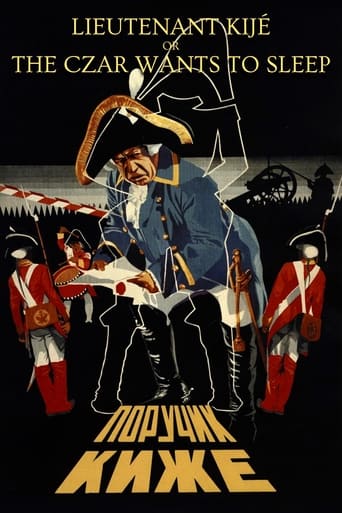
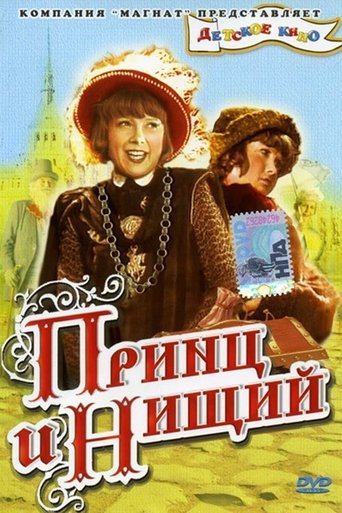
Erast Pavlovich Garin — prominent Soviet actor and director who became a recognizable comedic performer in Russian cinema history. Born in 1902, he began his career in theater before transitioning to film in the early 1930s, quickly establishing himself excelled in both comedy and drama. Garin's breakthrough came with his role in 'Lieutenant Kizhe' (1934), where his unique comedic timing and physical comedy skills captivated audiences. He successfully transitioned to directing in the 1940s, with 'The Prince and the Pauper' (1942) becoming one of his most acclaimed directorial works. Throughout his career, Garin appeared in over 40 films while also directing several notable productions, becoming a beloved figure in Soviet cinema. His performances often combined slapstick elements with subtle social commentary, making him a favorite among both critics and audiences. Garin continued working actively until his health declined in the early 1970s, leaving behind a rich legacy in Russian theatrical and cinematic arts.
The Craft
On Screen
Garin was known for his distinctive comedic style that combined physical comedy, exaggerated expressions, and impeccable timing. His performances often featured a unique blend of slapstick humor with subtle satire, allowing him to navigate between broad comedy and nuanced character work. He had a remarkable ability to transform his physical appearance and voice for different roles, making him incredibly versatile. Garin's approach was heavily influenced by his theatrical background, incorporating elements of commedia dell'arte and Russian folk theater traditions.
Behind the Camera
As a director, Garin favored visual storytelling with strong emphasis on comedic timing and character development. His films often featured elaborate set pieces and carefully choreographed sequences that highlighted his understanding of visual humor. He maintained a theatrical sensibility in his cinematic work, using wide shots and deliberate pacing to create a sense of stage-like presentation. Garin's directing style was particularly effective in literary adaptations, where he successfully balanced respect for source material with cinematic innovation.
Milestones
- Breakthrough role in 'Lieutenant Kizhe' (1934)
- Directorial debut with 'The Prince and the Pauper' (1942)
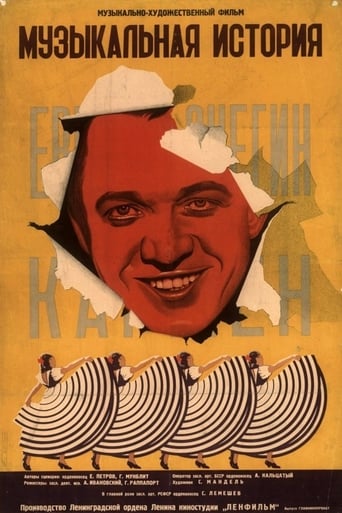
- Starring role in 'Musical Story' (1940)
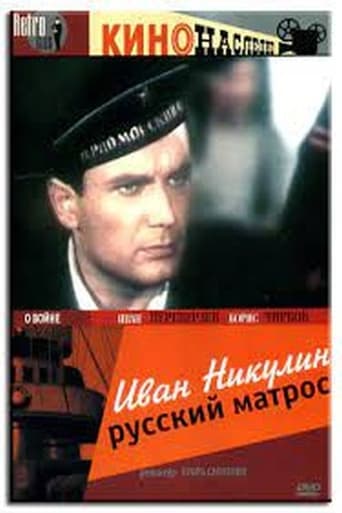
- Performance in 'Ivan Nikulin: Russian Sailor' (1944)
- Received People's Artist of the RSFSR title (1947)
- Awarded Stalin Prize for his contributions to cinema (1941)
Best Known For
Iconic Roles
Must-See Films
Accolades
Won
- Stalin Prize (1941)
- Order of the Red Banner of Labour (1950)
- Order of the Badge of Honour (1938)
- People's Artist of the RSFSR (1947)
- People's Artist of the USSR (1977)
Nominated
- Multiple Stalin Prize nominations throughout the 1940s
- Nominated for various state film awards
Special Recognition
- Honored Artist of the RSFSR (1935)
- People's Artist of the RSFSR (1947)
- People's Artist of the USSR (1977)
- Star on the Moscow Walk of Fame
- Multiple jubilee medals for contributions to Soviet cinema
Working Relationships
Worked Often With
Studios
Why They Matter
Impact on Culture
Erast Garin significantly shaped Soviet comedy cinema, creating a unique style that blended theatrical traditions with cinematic innovation. His work helped establish the foundation for Soviet satirical comedy, influencing generations of filmmakers and performers. Garin's films often contained subtle social commentary that resonated with audiences while navigating the strict censorship of the Stalin era. His adaptation of literary works like 'The Prince and the Pauper' demonstrated how classic literature could be made accessible to Soviet audiences through clever cinematic interpretation.
Lasting Legacy
Garin's legacy endures through his extensive filmography, which continues to be studied and appreciated by film scholars and enthusiasts. He is remembered as one of the pioneers of Soviet comedy cinema, whose techniques and approaches influenced the development of Russian film comedy for decades. His performances are still featured in film retrospectives and festivals celebrating classic Soviet cinema. The Erast Garin Museum in Ryazan preserves his memorabilia and continues to educate new generations about his contributions to Russian culture.
Who They Inspired
Garin influenced numerous Soviet and Russian comedians, including Andrei Mironov and Oleg Yankovsky, who cited his work as inspiration. His unique approach to physical comedy and character transformation became a reference point for comedy training in Soviet film schools. Directors like Leonid Gaidai drew inspiration from Garin's ability to combine slapstick with social satire. His theatrical techniques continue to be taught in Russian acting academies as examples of how to transition stage performance to film.
Off Screen
Erast Garin was married twice during his lifetime. His first marriage was to actress Taisiya Reutova, with whom he had one daughter. After their divorce, he married actress Elena Tsvetkova, who became his frequent collaborator both on stage and screen. Garin was known for his dedication to his craft and often spent long hours perfecting his performances. Despite his fame, he maintained a relatively private personal life, focusing primarily on his artistic work and theatrical pursuits.
Education
Graduated from the Leningrad Institute of Performing Arts (1924), studied under influential theater director Vsevolod Meyerhold
Family
- Taisiya Reutova (1925-1935)
- Elena Tsvetkova (1936-1980)
Did You Know?
- Changed his surname from Gerasimov to Garin early in his career
- Was a student of the famous avant-garde theater director Vsevolod Meyerhold
- Could perform multiple characters in the same film through makeup and costume changes
- His role in 'Lieutenant Kizhe' required him to play a character who doesn't actually exist in the story
- Survived the Stalinist purges despite working in politically sensitive artistic fields
- Was known for his incredible work ethic, often performing in both theater and film simultaneously
- His film 'The Prince and the Pauper' was one of the first Soviet adaptations of Mark Twain
- Maintained a friendship with fellow actor Nikolai Cherkasov throughout their careers
- Was one of the few Soviet artists allowed to travel abroad for cultural exchanges
- His daughter Nina followed in his footsteps to become an actress
In Their Own Words
Comedy is the most serious art form, for it requires the deepest understanding of human nature
In the theater, we create illusions. In cinema, we must make those illusions believable
The actor's greatest tool is not his voice or his body, but his understanding of the human heart
Every role, whether comic or tragic, demands the same truth and dedication
Soviet cinema must educate while it entertains, uplift while it amuses
Frequently Asked Questions
Who was Erast Garin?
Renowned Soviet actor and on YTB.my. He appeared in over 40 films from the 1930s through the 1970s and directed several notable productions, including 'The Prince and the Pauper' (1942). His unique style combined physical comedy with subtle social satire, making him a cultural icon in Soviet cinema.
What films is Erast Garin best known for?
Titles linked here include Lieutenant Kizhe (1934), The Prince and the Pauper (1942).
When was Erast Garin born and when did he die?
Born November 10, 1902; died September 4, 1980.
What awards did Erast Garin win?
Garin received numerous prestigious awards including the Stalin Prize in 1941, the title of People's Artist of the RSFSR in 1947, and People's Artist of the USSR in 1977. He was also awarded the Order of the Red Banner of Labour and the Order of the Badge of Honour for his contributions to Soviet cinema and theater.
What was Erast Garin's acting style?
Garin's acting style was characterized by a unique blend of physical comedy, exaggerated expressions, and impeccable timing. Drawing from his theatrical training under Meyerhold, he incorporated elements of commedia dell'arte and Russian folk traditions. His performances ranged from broad slapstick to nuanced character work, allowing him to excel in both comedy and dramatic roles.
Did Erast Garin work with other famous Soviet artists?
Yes, Garin collaborated with many prominent Soviet artists including director Alexander Rou, actors Nikolai Cherkasov and Mikhail Zharov, and worked extensively with major studios like Lenfilm and Mosfilm. His wife Elena Tsvetkova was also a frequent collaborator, appearing alongside him in numerous productions.
How did Erast Garin influence Soviet cinema?
Garin significantly shaped Soviet comedy cinema by establishing a unique style that blended theatrical traditions with cinematic innovation. His work influenced generations of Soviet comedians and directors, helping to create a foundation for Russian satirical comedy. His adaptations of literary works demonstrated how classic stories could be made accessible to Soviet audiences while maintaining artistic integrity.