
Brothers Liu
"Three under pressure"
Keys: Space play/pause · ←/→ 10s · F fullscreen · M mute · </> speed
About this film
Based on the Chinese folk tale. Long ago, three brothers Liu lived in China. They were so similar that even their own mother discerned them on colored ribbons. The first brother could command fire, the second could drink the sea and return it back, and a third knew the language of birds, animals and fish.
Cast & crew
More films like this
More Animation films
View all →


More from Dmitriy Babichenko
View all →



More about this film
About the production
Release date1953
ProductionSoyuzmultfilm
Filmed inMoscow, Soviet Union
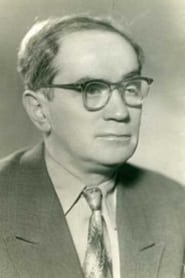
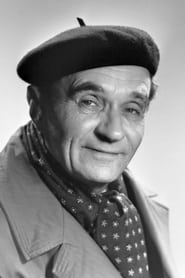
The film was created using traditional cel animation techniques common in Soviet animation of the 1950s. The production team conducted extensive research into Chinese art, architecture, and cultural motifs to ensure authentic visual representation of the setting. The animation style incorporates elements of traditional Chinese painting and decorative arts, particularly in the background designs and character costumes. The voice actors Erast Garin and Georgi Millyar were renowned figures in Soviet cinema and theater, bringing theatrical gravitas to their vocal performances. The film was produced during the final year of Stalin's rule, a period when Soviet animation was increasingly focused on adapting international folk tales to promote themes of international friendship and cultural exchange.
Themes
Brotherhood and unityCooperation over individual strengthCultural exchange and understandingThe power of combined abilitiesRespect for traditional wisdom
Themes & topics
Chinese folkloreMagic powersThree brothersSupernatural abilitiesAncient ChinaFamily bondsFire manipulationWater controlAnimal communicationFolk tale adaptation
Historical background
Contemporary records classify Brothers Liu (1953) as 1953 animated short film directed by dmitriy babichenko, placing it within mid-century cinema across Hollywood and world markets.
Why this film matters
Brothers Liu (1953) helps trace genre evolution, performer careers, and the material conditions of sound exhibition.
Making of
The production of 'Brothers Liu' took place during a significant transitional period in Soviet animation. The team at Soyuzmultfilm invested considerable effort in researching authentic Chinese visual elements, with artists studying Chinese art books and consulting cultural experts to ensure respectful representation. The voice recording sessions were conducted using the limited audio technology available in early 1950s Soviet studios, requiring multiple takes to achieve the desired emotional impact. The animation process involved hundreds of hand-painted cels, with each frame requiring meticulous attention to detail to capture the flowing movements characteristic of both Chinese art and Soviet animation style. The film's composer worked to create a musical score that blended traditional Chinese melodic elements with Soviet orchestral arrangements, creating a unique cross-cultural soundscape.
What critics said
Trade and revival screenings have kept Brothers Liu (1953) on the map for collectors and scholars rather than mass first-run promotion.
Did you know?
- Director Dmitriy Babichenko was one of the pioneering animators at Soyuzmultfilm and specialized in adapting folk tales from various cultures
- The film is one of the earliest Soviet animations based on Chinese folklore, reflecting the early friendship between China and the Soviet Union
- Erast Garin, who voiced one of the brothers, was also a prominent film director and actor in Soviet cinema
- Georgi Millyar was famous for playing horror roles in Soviet films and was widely recognized character actors of his generation
- The colored ribbons used to distinguish the brothers were inspired by traditional Chinese decorative arts and symbolism
- The animation techniques used in this film were typical of the 'golden age' of Soviet animation, characterized by detailed backgrounds and fluid character movement
- The film's visual style was influenced by Chinese scroll paintings and traditional watercolor techniques
- This was one of several films Babichenko directed that focused on magical realism and folk tales
- The original Chinese tale has been adapted numerous times across different cultures, but this Soviet version is particularly noted for its artistic interpretation
- The film was part of a series of international folk tale adaptations produced by Soyuzmultfilm in the early 1950s
Visual style
The animation employs traditional cel animation techniques with hand-painted backgrounds inspired by Chinese scroll paintings and watercolor art. The visual style features flowing lines and delicate color palettes reminiscent of traditional Chinese art, combined with the characteristic smooth movement and detailed character animation of Soviet productions. The use of perspective and composition draws from Chinese artistic conventions, with particular attention paid to creating depth through layered backgrounds and atmospheric effects. The animation of magical elements, such as fire and water, showcases the technical skill of the Soyuzmultfilm animators in creating dynamic and believable supernatural phenomena.
Innovations
The film represents a technical achievement in its successful synthesis of Chinese artistic elements with Soviet animation techniques. The production team developed new methods for recreating Chinese brush painting effects in animation, particularly in the background designs and special effects sequences. The fluid animation of magical elements like fire and water demonstrated the technical proficiency of Soyuzmultfilm's animators in handling complex movement and transformation sequences. The film also showcases advances in color reproduction technology, with the vibrant hues and subtle gradations of Chinese-inspired art maintained throughout the animation process.
Music
The musical score combines traditional Chinese melodic elements with Soviet orchestral arrangements, creating a cross-cultural soundscape that supports the film's visual fusion of styles. The composer incorporated Chinese pentatonic scales and traditional instrument timbres while maintaining the emotional depth and dramatic scope typical of Soviet film music. The sound design emphasizes the magical elements of the story, with distinctive audio effects for the brothers' supernatural abilities. Voice acting by Erast Garin and Georgi Millyar brings theatrical gravitas to the characters, with their performances enhanced by the acoustic treatment characteristic of early 1950s Soviet recording studios.
Famous quotes
Unity makes us stronger than any individual power alone
Each brother's gift was unique, but together they were unstoppable
In times of trouble, family stands together
Memorable scenes
- The opening sequence introducing the three identical brothers and their distinctive colored ribbons
- The demonstration of each brother's magical ability - controlling fire, drinking the sea, and speaking with animals
- The climactic scene where all three brothers combine their powers to overcome the final challenge
- The beautiful background sequences featuring Chinese landscapes and architecture rendered in traditional artistic style
What audiences thought
The film was well-received by Soviet audiences, particularly children and families who were the primary target demographic. Viewers appreciated the magical elements and the clear moral message about the power of unity and cooperation. The exotic Chinese setting and distinctive visual style made the film memorable and different from typical Russian or European folk tale adaptations. The film became part of the regular rotation in Soviet cinemas and later on television, helping it maintain cultural recognition across generations. Parents and educators valued the film for its positive messages and its role in introducing children to Chinese culture and international stories.
Film connections
Influenced by
- Traditional Chinese folk tales
- Chinese scroll painting
- Soviet animation traditions
- International folk tale adaptations
- Cultural diplomacy through art
This film influenced
- Later Soviet adaptations of international folk tales
- Chinese-Soviet co-productions
- Cross-cultural animation projects
Film restoration
The film has been preserved in the Soyuzmultfilm archives and has undergone digital restoration as part of efforts to preserve classic Soviet animation. Original film elements are maintained in Russian state archives, and digital copies are available for educational and archival purposes.
Where to watch
- Russian film archives and museums
- Specialized classic animation streaming services
- Soyuzmultfilm official collections
- Film festival retrospectives on Soviet animation
- Educational institutions with classic film collections