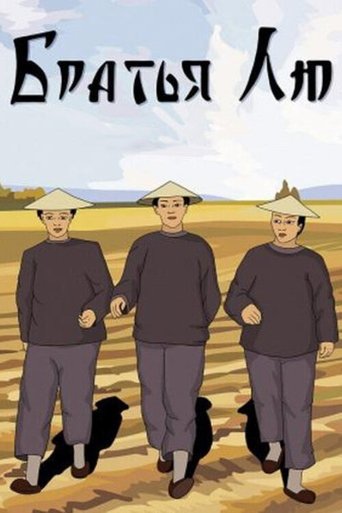
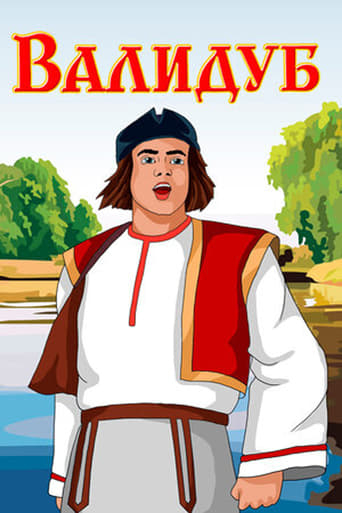
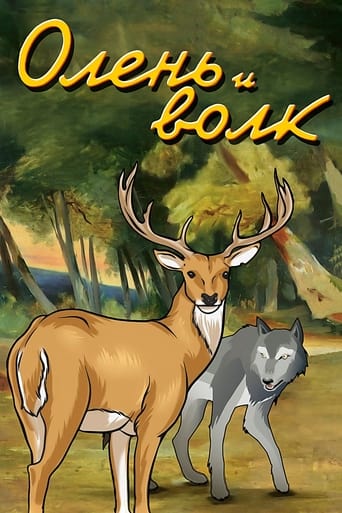
Films
9 films
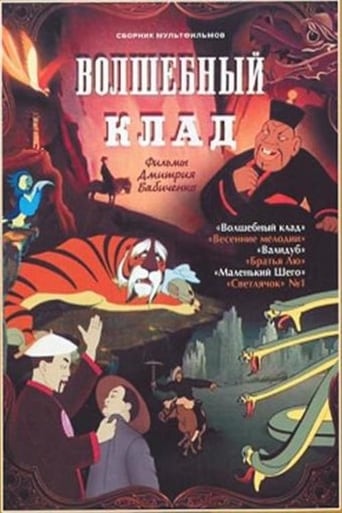

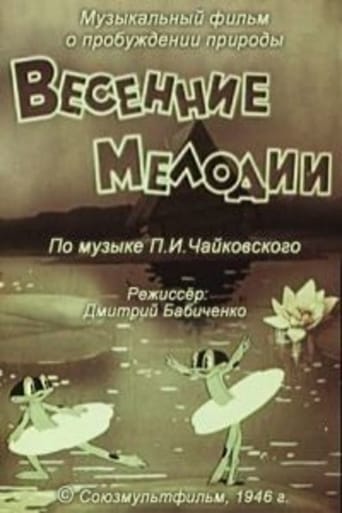


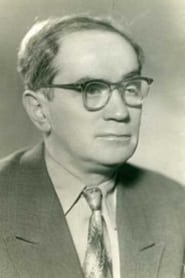
About Dmitriy Babichenko
Soviet animation director who worked primarily at the renowned Soyuzmultfilm studio during the golden age of Soviet animation. Born in 1901, he began his career in the late 1930s, just as the Soviet animation industry was establishing itself as a major cultural force. Babichenko's work spanned the crucial period of World War II and the post-war Stalin era, during which he created both propaganda pieces and children's entertainment. His films often reflected the ideological requirements of the time while showcasing technical innovation in animation techniques. Throughout his career, he contributed to the development of Soviet animation style, which emphasized clear storytelling and educational values. Babichenko remained active until his death in 1953, leaving behind a legacy of films that captured the spirit of mid-20th century Soviet society.
The Craft
Behind the Camera
Babichenko's directing style was characterized by clear narrative storytelling, ideological messaging aligned with Soviet values, and educational content aimed at both children and adults. His animations often featured bold visual metaphors and simplified character designs that were typical of the Soviet animation aesthetic of the era.
Milestones
- Directed his first major animated film in 1939
- Created propaganda animations during World War II
- Worked at Soyuzmultfilm during its formative years
- Produced children's educational films in the post-war period
- Contributed to the development of Soviet animation style
Best Known For
Must-See Films
Accolades
Special Recognition
- Recognition as a Soviet animation director
Working Relationships
Studios
Why They Matter
Impact on Culture
Babichenko contributed to the development of Soviet animation as both an art form and ideological tool. His work during World War II helped shape the visual language of Soviet propaganda animation, while his post-war children's films contributed to the educational entertainment landscape of the Soviet Union. As part of the first generation of Soviet animation directors, he helped establish techniques and narrative approaches that would influence subsequent generations of Soviet animators.
Lasting Legacy
Dmitriy Babichenko's legacy lies in his role as a foundational figure in Soviet animation history. His films represent an important chapter in the development of animation as a medium for both entertainment and political messaging in the Soviet context. While less internationally known than some of his contemporaries, his work at Soyuzmultfilm during its formative years helped establish the studio as a major force in world animation.
Who They Inspired
Babichenko influenced the development of Soviet animation through his work at Soyuzmultfilm, contributing to the establishment of a distinctly Soviet animation style that emphasized educational value and ideological clarity. His approach to combining entertainment with messaging became a template for subsequent Soviet animators.
Off Screen
Limited information is available about Babichenko's personal life, as was common for Soviet-era artists whose private details were often not widely documented. He worked during a politically sensitive period in Soviet history when artists were closely monitored.
Did You Know?
- Worked during the Stalin era when animation was heavily regulated
- His film 'Кем быть?' (1948) translates to 'What to be?' in English
- Part of the first generation of professional Soviet animation directors
- Soyuzmultfilm, where he worked, became one of the largest animation studios in the world
- His active years covered the critical period of World War II and early Cold War
- Many of his films were created during a time of paper shortages in the USSR
- Soviet animation of his era often had to serve dual purposes: entertainment and education
Frequently Asked Questions
Who was Dmitriy Babichenko?
Soviet animation on YTB.my. He was part of the first generation of Soviet animation directors and created both propaganda films and children's entertainment during the Stalin era.
What films is Dmitriy Babichenko best known for?
Titles linked here include War Chronicles (1939), Spring Melodies (1946).
When was Dmitriy Babichenko born and when did he die?
Born 1901; died 1953.
What awards did Dmitriy Babichenko win?
Specific awards for Dmitriy Babichenko are not well-documented in available sources, though he is recognized as a figure in Soviet animation history for his contributions to the field.
What was Dmitriy Babichenko's directing style?
Babichenko's directing style emphasized clear narrative storytelling, ideological messaging aligned with Soviet values, and educational content. His animations featured bold visual metaphors and simplified character designs typical of Soviet animation aesthetics of the 1940s and early 1950s.