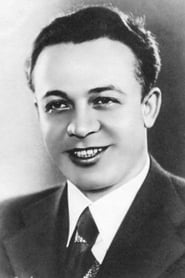
Sergey Lemeshev
Actor
Born: July 10, 1902 in Knyazevo, Tver Governorate, Russian Empire Died: June 26, 1977 Active: 1925-1977 Birth Name: Sergey Yakovlevich Lemeshev
Films
3 films
About Sergey Lemeshev
Sergey Yakovlevich Lemeshev was Russian operatic tenors of the 20th century, whose remarkable voice and artistry earned him the title 'the Soviet Caruso.' While primarily known for his illustrious opera career at the Bolshoi Theatre from 1931 to 1956, Lemeshev also made several memorable film appearances that showcased his exceptional vocal talents and charismatic screen presence. Born into a peasant family, he overcame humble beginnings to study at the Moscow Conservatory, where his extraordinary lyrical tenor voice quickly garnered attention. His film career, though secondary to his opera work, included notable appearances in musical films that captured his performances for posterity. Lemeshev's voice was characterized by its exceptional beauty, silvery timbre, and remarkable flexibility, making him particularly beloved in roles like Lensky in Tchaikovsky's 'Eugene Onegin.' Despite suffering from health issues in his later years, he continued to perform and teach, influencing generations of singers. His legacy extends beyond the opera stage through these rare film appearances that preserve his artistry for future audiences.
The Craft
On Screen
Natural and charismatic screen presence with emphasis on vocal performance, bringing operatic gravitas to film roles with a gentle, lyrical approach that complemented his singing style
Milestones
- Graduated from Moscow Conservatory (1927)
- Soloist at Bolshoi Theatre (1931-1956)
- People's Artist of the USSR (1950)
- Lenin Prize (1968)
- Film appearances in Soviet musical cinema
Best Known For
Iconic Roles
Must-See Films
Accolades
Won
- People's Artist of the USSR (1950)
- Stalin Prize (1941)
- Lenin Prize (1968)
- Order of Lenin (multiple awards)
- Order of the Red Banner of Labour
Special Recognition
- Honored Artist of the RSFSR (1937)
- People's Artist of the RSFSR (1947)
- Member of the Communist Party (1943)
Working Relationships
Worked Often With
Studios
Why They Matter
Impact on Culture
Sergey Lemeshev revolutionized Russian operatic performance with his uniquely lyrical and emotionally nuanced interpretation of tenor roles. His recordings and film appearances helped popularize classical music throughout the Soviet Union, making opera accessible to mass audiences. His gentle, romantic style contrasted with the more forceful dramatic tenors of his era, creating a new standard for lyrical singing in Russian opera. Through his film appearances, he bridged the gap between elite opera culture and popular cinema, bringing classical vocal artistry to broader audiences.
Lasting Legacy
Lemeshev's legacy endures through his extensive recording catalog, preserved performances at the Bolshoi Theatre, and the film appearances that captured his artistry for posterity. The 'Lemeshev school' of singing continues to influence Russian vocal pedagogy, emphasizing beauty of tone, emotional authenticity, and technical precision. His recordings of Russian romances and arias remain benchmarks for tenors worldwide. The Sergey Lemeshev International Competition, established in his honor, continues to discover and promote new vocal talent.
Who They Inspired
Lemeshev influenced generations of Russian and international singers through his recordings, teaching, and performances. His approach to lyrical singing, characterized by its silvery tone and emotional subtlety, became a model for romantic tenor roles. Many prominent singers, including Vladimir Atlantov and Dmitri Hvorostovsky, have cited Lemeshev as a major influence. His film work demonstrated how classical singers could successfully transition to cinema, paving the way for future opera singers in film.
Off Screen
Lemeshev was married twice, first to actress Valentina Tolkunova, and later to Irma Raush, a fellow opera singer with whom he had a daughter. He was known for his humble demeanor despite his immense fame, often helping young singers and maintaining close relationships with his students. His personal life was marked by dedication to his art and family, though he suffered from health problems in his later years that affected his performing career.
Education
Moscow Conservatory (graduated 1927), studied under renowned vocal teachers including Maria Deysha-Sionitskaya
Family
- Valentina Tolkunova (1930s-1940s)
- Irma Raush (1944-1977)
Did You Know?
- Known as 'the Soviet Caruso' for his vocal brilliance
- His voice was particularly admired for its exceptional beauty in the upper register
- Despite his fame, he remained humble and often gave free lessons to poor students
- He performed over 30 roles at the Bolshoi Theatre during his career
- His recordings sold millions of copies throughout the Soviet Union
- He was one of the first Soviet opera singers to achieve international recognition
- His rivalry with fellow tenor Ivan Kozlovsky was legendary in Soviet music circles
- He continued teaching even after health problems forced him to stop performing
- His interpretation of Lensky in 'Eugene Onegin' is still considered definitive
- He was known for his exceptional diction and dramatic interpretation of Russian romances
In Their Own Words
The voice is a gift from God, but the art of singing is a lifetime of work.
Every performance must be as if it were your first and your last.
Beauty in singing comes not from volume, but from the soul.
Frequently Asked Questions
Who was Sergey Lemeshev?
Sergey Lemeshev was one of the greatest Russian operatic tenors of the 20th century, known as 'the Soviet Caruso' for his exceptional vocal artistry. While primarily celebrated for his career at the Bolshoi Theatre, he also appeared in several Soviet musical films during the 1940s, showcasing his remarkable voice and charismatic screen presence to broader audiences.
What films is Sergey Lemeshev best known for?
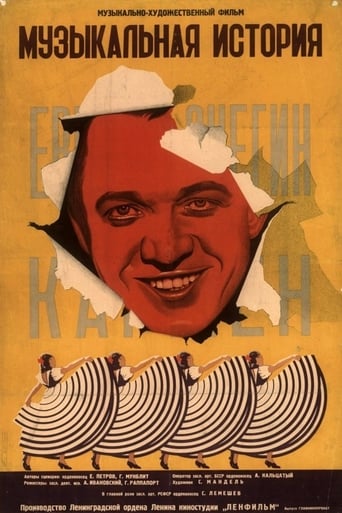
Titles linked here include Musical Story (1940), Кино-концерт 1941 (1941).
When was Sergey Lemeshev born and when did he die?
Born July 10, 1902; died June 26, 1977.
What awards did Sergey Lemeshev win?
Lemeshev received numerous prestigious awards including the title of People's Artist of the USSR (1950), the Stalin Prize (1941), the Lenin Prize (1968), and multiple Orders of Lenin. He was also named Honored Artist of the RSFSR in 1937 and People's Artist of the RSFSR in 1947.
What was Sergey Lemeshev's singing style?
Lemeshev was renowned for his uniquely lyrical tenor voice characterized by exceptional beauty, a silvery timbre, and remarkable flexibility. His style emphasized emotional nuance, technical precision, and a gentle, romantic approach that contrasted with the more forceful dramatic tenors of his era, making him particularly beloved in roles like Lensky in 'Eugene Onegin'.