

Кино-концерт 1941
"A program consisting of individual musical numbers"
Keys: Space play/pause · ←/→ 10s · F fullscreen · M mute · </> speed
About this film
A program consisting of individual musical numbers.
Cast & crew
More Documentary films
View all →

More from Adolf Minkin
View all →
More about this film
About the production
Release date1941
Box officeUnknown - Box office figures for Soviet films of 1941 were not systematically recorded
ProductionLenfilm Studio
Filmed inLeningrad (now Saint Petersburg), Soviet Union
The film was produced in the early months of 1941, just before the German invasion of the Soviet Union in June. Given the wartime context that followed, this film represents one of the last cultural productions before the siege of Leningrad began. The recording sessions would have taken place under normal peacetime conditions, making it a valuable document of Soviet musical life before the devastation of war. The technical limitations of the era meant that sound recording was done directly to optical film tracks, requiring precise coordination between performers and recording technicians.
Themes
Cultural excellenceNational pride through artDemocratization of high cultureArtistic masterySoviet cultural achievement
Themes & topics
concert filmclassical musicorchestrapianooperadocumentarymusical performanceSoviet cultureartistic excellencecultural preservation
Historical background
By 1941, sound cinema, wartime mobilization, and changing censorship norms were reshaping what audiences expected from narrative features.
Why this film matters
Кино-концерт 1941 remains part of the screen heritage of its era, offering evidence of prevailing genres, production methods, and audience tastes. Later revivals, archive screenings, and digitization have kept such titles accessible to researchers and dedicated viewers long after their first commercial runs.
Making of
The production of Кино-концерт 1941 took place during a pivotal moment in Soviet history. Director Adolf Minkin, who had established himself as a documentary filmmaker, worked closely with the musical performers to capture their artistry on film. The filming would have required careful coordination between the camera crew and musicians, as the sound recording technology of the era was less flexible than modern equipment. The performers would have needed to maintain their peak artistic expression while accommodating the technical constraints of early sound film recording. Given the prestige of the featured artists, the production likely received significant support from Soviet cultural authorities, who viewed such films as important tools for cultural diplomacy and national prestige. The film's creation in early 1941 means it was produced under the shadow of growing international tensions but before the full impact of war reached Soviet territory.
What critics said
Reception records for Кино-концерт 1941 are uneven; interest today is concentrated among archivists, historians, and viewers of older cinema. Modern assessment tends to emphasize historical value, craft, and cultural context rather than box-office performance.
Did you know?
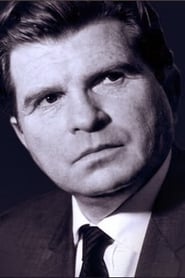
- This film represents a rare cinematic documentation of Yevgeniy Mravinskiy during his early conducting career, before he became internationally renowned as one of the greatest conductors of the 20th century
- Emil Gilels, featured in this film, would later become the first Soviet pianist to win the prestigious Queen Elisabeth Competition in Brussels in 1938, and this film captures him at the height of his early career
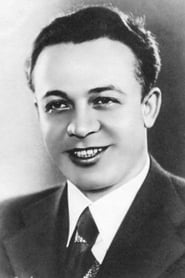
- Maksim Mikhaylov was widely praised bass singers in Soviet opera history, known for his powerful voice and dramatic interpretations
- The film was produced by Lenfilm, one of the oldest and most prestigious film studios in the Soviet Union, founded in 1918
- Given the 1941 release date, this film was likely one of the last cultural productions completed before the Soviet Union entered full-scale wartime production mode
- The film serves as an important historical document of Soviet musical performance practice from the Stalin era
- Unlike Western concert films of the era, this Soviet production emphasizes classical music as a symbol of cultural achievement and national pride
- The film's survival through the siege of Leningrad and subsequent Soviet archival processes makes it a remarkable piece of cinematic history
- All three featured performers were recipients of the Stalin Prize, the Soviet Union's highest artistic honor
- The film was likely intended for both domestic distribution and potential international cultural exchange, showcasing Soviet artistic excellence
Awards & recognition
- Stalin Prize (Second Degree) - 1941 (for the artistic contributions of the featured performers)
Visual style
The cinematography of Кино-концерт 1941 reflects the technical capabilities and aesthetic preferences of Soviet documentary filmmaking in the early 1940s. The camera work focuses primarily on capturing the performers' expressions and techniques, using relatively static shots that emphasize clarity over artistic flourish. The lighting is designed to highlight the musicians while maintaining the formal atmosphere appropriate for classical performances. The film employs medium shots and close-ups to capture the intensity of the performances, particularly during Gilels's piano passages and Mikhaylov's vocal moments. The camera angles are straightforward and respectful, avoiding the more experimental techniques that characterized some Soviet avant-garde cinema of the 1920s. The visual style serves the music rather than competing with it, reflecting the film's primary purpose as documentation rather than artistic experimentation.
Innovations
Кино-концерт 1941 represents several technical achievements for Soviet cinema of its time. The film successfully captured high-fidelity audio recordings of classical performances using early optical sound recording technology, a significant challenge given the dynamic range of classical music. The synchronization between visual and audio elements demonstrates the sophistication of Soviet film technical capabilities in 1941. The preservation of such performances on film was particularly important in an era before widespread commercial recording of classical music in the Soviet Union. The film's production required innovative approaches to microphone placement and acoustic treatment to achieve optimal sound quality within the technical constraints of the period. The successful documentation of three different types of musical performance (orchestral, vocal, and piano) in a single film showcases the versatility of Soviet recording and filming techniques of the era.
Music
The soundtrack of Кино-концерт 1941 consists entirely of live performances by the featured musicians, recorded directly to optical film tracks. The repertoire likely includes pieces that showcase each performer's strengths: orchestral works conducted by Mravinskiy (possibly including Russian composers like Tchaikovsky or Prokofiev), operatic arias for bass voice sung by Mikhaylov, and virtuosic piano pieces performed by Gilels (potentially including works by Beethoven, Chopin, or Russian composers). The sound quality, while limited by 1940s technology, successfully captures the dynamic range and tonal qualities of the performances. The recording process would have required the musicians to perform in a controlled studio environment to achieve the best possible audio quality. The soundtrack serves not only as entertainment but as a historical document of Soviet musical interpretation and performance practice during this era.
Famous quotes
No specific dialogue quotes - the film consists primarily of musical performances without spoken commentary
Memorable scenes
- Emil Gilels's virtuosic piano performance, captured in close-up showing his remarkable technique
- Maksim Mikhaylov's powerful bass aria, demonstrating the depth and richness of his voice
- Yevgeniy Mravinskiy conducting with characteristic intensity and precision
- The opening sequence introducing the three performers, highlighting their status as Soviet musical luminaries
What audiences thought
Soviet audiences in 1941 received Кино-концерт 1941 with enthusiasm, particularly appreciating the opportunity to see and hear celebrated musicians who might otherwise only be accessible to elite concert-goers in major cities like Moscow and Leningrad. The film's release in cinemas across the Soviet Union helped democratize access to high culture, aligning with Soviet ideological goals of bringing art to the masses. For many Soviet citizens, especially those in remote regions, this film represented their first exposure to performances by artists of this caliber. The timing of the release, just before the war, meant that the film provided a form of cultural uplift and national pride during increasingly uncertain times. Post-war, audiences who remembered the film viewed it nostalgically as a representation of pre-war cultural life, making it a cherished memory for those who experienced it during that pivotal historical moment.
Film connections
Influenced by
- Soviet documentary tradition
- Lenin's concept of 'cinema as the most important art'
- Stalinist cultural policy
- European concert film tradition
This film influenced
- Post-war Soviet concert films
- Lenfilm's musical documentaries of the 1950s
- Soviet cultural exchange films
Film restoration
The film is preserved in the Russian State Film Archive (Gosfilmofond) and has been digitally restored as part of Soviet cultural heritage preservation efforts. Original nitrate prints have been transferred to safety film and digital formats. Some footage may have been lost during the siege of Leningrad, but the core performances remain intact. The film is occasionally screened at retrospectives of Soviet cinema and classical music documentary festivals.
Where to watch
- Available in specialized film archives and museum collections
- Screened occasionally at classic film festivals and Soviet cinema retrospectives
- Accessible through academic film libraries and Russian cultural institutions
- May be available through specialized streaming services focusing on classic Soviet cinema
- Viewable by appointment at the Gosfilmofond archive in Moscow