No Poster
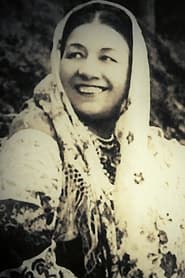
Lidiya Ruslanova
Actor
Born: October 27, 1900 in Chernavka village, Saratov Governorate, Russian Empire Died: September 21, 1973 Active: 1915-1973 Birth Name: Agafya Andreyevna Leykina
Films
1 film
About Lidiya Ruslanova
Lidiya Ruslanova, born Agafya Andreyevna Leykina, was Russian folk singers of the 20th century, whose powerful voice and emotive performances captured the spirit of Russian traditional music. Beginning her career in local theaters and circuses in her teens, she rose to prominence in the 1920s and 1930s with her distinctive interpretations of folk songs, particularly those from the Saratov region where she grew up. Despite facing political persecution during Stalin's regime, including imprisonment in the Gulag from 1949-1953, Ruslanova's popularity never waned among the Soviet people. She performed extensively for Soviet troops during World War II, becoming a symbol of national resilience and patriotic spirit. Her film appearances, though limited, included the 1941 wartime concert film 'Кино-концерт 1941' where she showcased her remarkable vocal talents. After her rehabilitation following Stalin's death, she continued performing until her final years, leaving an indelible mark on Russian musical culture and becoming a national treasure whose recordings remain beloved today.
The Craft
On Screen
While primarily known as a singer, Ruslanova's screen presence was characterized by her authentic, earthy delivery and natural charisma. Her performances in film were extensions of her concert style - direct, emotionally powerful, and deeply connected to Russian folk traditions. She brought the same raw authenticity to her brief film appearances as she did to her musical performances.
Milestones
- First professional performances in local theaters (1915)
- Debut recording session in Moscow (1929)
- Extensive WWII concert tours for Soviet troops (1941-1945)
- Arrest and imprisonment in Gulag (1949-1953)
- Post-Stalin rehabilitation and comeback (1953)
- Awarded People's Artist of the RSFSR (1960)
- Final concert performances in early 1970s
Best Known For
Iconic Roles
Must-See Films
Accolades
Won
- People's Artist of the RSFSR (1960)
- Order of the Red Banner of Labour (multiple times)
- Order of the Patriotic War (2nd class)
Special Recognition
- Honored Artist of the RSFSR (1942)
- People's Artist of the RSFSR (1960)
- Monument in Saratov (2000)
- Asteroid named 4850 Ruslanova in her honor
Working Relationships
Worked Often With
Studios
Why They Matter
Impact on Culture
Lidiya Ruslanova transcended her role as a performer to become a cultural icon and symbol of Russian resilience and national identity. Her interpretations of folk songs helped preserve and popularize traditional Russian musical heritage during a period of rapid Soviet modernization. During World War II, her concerts for frontline troops made her an embodiment of the home front's spirit and support, with songs like 'Valenki' becoming unofficial anthems of Soviet patriotism. Her persecution and subsequent rehabilitation also made her a symbol of artistic integrity in the face of political oppression. Ruslanova's recordings continue to be regarded as definitive interpretations of Russian folk music, influencing countless musicians and maintaining a place in the Russian cultural consciousness decades after her death.
Lasting Legacy
Ruslanova's legacy endures through her extensive catalog of recordings that remain the benchmark for Russian folk performance. She established a style that combined technical mastery with raw emotional authenticity, influencing generations of Russian singers. Her life story - from peasant origins to national fame, through political persecution to triumphant comeback - has become part of Russian cultural mythology. Monuments, museums, and cultural institutions continue to honor her contribution to Russian music and culture. Her recordings have been digitally remastered and reissued multiple times, introducing her artistry to new generations of listeners both in Russia and internationally.
Who They Inspired
Ruslanova influenced Russian folk music by establishing a performance standard that balanced authenticity with professional polish. Her approach to folk interpretation - treating traditional songs with both respect and artistic innovation - became a model for subsequent folk performers. Many Russian singers, including those in popular music, have cited her as an influence for their emotional delivery and connection to Russian musical traditions. Her recordings continue to be studied by musicologists and performers as exemplars of Russian folk vocal technique.
Off Screen
Ruslanova's personal life was marked by both professional triumph and personal tragedy. She married seven times, with her most significant marriage being to General Vladimir Kryukov, a Hero of the Soviet Union, though this connection ultimately led to her arrest and imprisonment after the war. Despite her tumultuous personal relationships and political persecution, she maintained a fierce independence and never compromised her artistic integrity. Her imprisonment in the Gulag from 1949-1953, alongside her husband, was one of the darkest periods of her life, yet she emerged with her spirit unbroken and continued to perform until near her death.
Education
Limited formal education; trained in local theaters and through practical performance experience
Family
- Mikhail Galkin (1918-1920)
- Vladimir Kryukov (1941-1949, 1953-1967)
Did You Know?
- Her real name was Agafya Leykina before adopting the stage name Ruslanova
- She was orphaned at age 5 and raised in various institutions
- Began performing professionally at age 15 in local theaters
- Her signature song 'Valenki' became
- Stalin was reportedly a fan of her singing
- She performed over 1,000 concerts for Soviet troops during WWII
- Was arrested in 1949 and spent 4 years in the Gulag system
- Her husband General Kryukov was also imprisoned alongside her
- She continued performing even in her 70s despite poor health
- An asteroid was named 4850 Ruslanova in her honor
- Her voice was described as having 'the power of a hurricane and the tenderness of a spring breeze'
In Their Own Words
When I sing, I don't just sing notes - I sing the soul of the Russian people
Even in the darkest prison camp, I kept my songs alive in my heart
Folk songs are not just music - they are the memory of our nation
My voice was given to me by God, but I earned my right to sing it through suffering
When you sing for soldiers at the front, you're not just entertaining - you're helping them live
Frequently Asked Questions
Who was Lidiya Ruslanova?
Lidiya Ruslanova was. She also appeared in several films, including the 1941 wartime concert film 'Кино-концерт 1941'. Her active years covered from the 1910s until her death in 1973, making her a beloved cultural icon in Russia.
What films is Lidiya Ruslanova best known for?
Titles linked here include Кино-концерт 1941 (1941), Concert films of the 1950s-60s.
When was Lidiya Ruslanova born and when did she die?
Born October 27, 1900; died September 21, 1973.
What awards did Lidiya Ruslanova win?
Ruslanova received several prestigious honors including the title of People's Artist of the RSFSR in 1960, the Order of the Red Banner of Labour, and the Order of the Patriotic War (2nd class) for her wartime performances. She was also named Honored Artist of the RSFSR in 1942. Posthumously, an asteroid was named in her honor and monuments have been erected in her memory.
What was Lidiya Ruslanova's singing style?
Ruslanova's singing style was characterized by its raw emotional power, technical mastery, and deep connection to Russian folk traditions. She possessed a remarkable vocal range and could convey both the strength and tenderness inherent in Russian folk music. Her interpretations were noted for their authenticity while maintaining professional polish, making her recordings the definitive versions of many traditional songs.
Did Lidiya Ruslanova face political persecution?
Yes, Ruslanova was arrested in 1949 and spent four years in the Gulag prison system on charges of anti-Soviet activity. This persecution was largely connected to her marriage to General Vladimir Kryukov, who had fallen out of political favor. She was rehabilitated following Stalin's death in 1953 and was able to resume her career, though the experience left deep scars.
What was Lidiya Ruslanova's role during World War II?
During World War II, Ruslanova became a cultural icon by performing over 1,000 concerts for Soviet troops on the front lines. Her performances boosted morale and her songs like 'Valenki' became unofficial anthems of Soviet patriotism. She was awarded the Order of the Patriotic War for her contributions to the war effort and became known as 'the voice of the Russian motherland' to soldiers.