No Poster
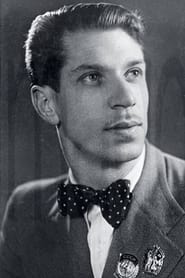
Vakhtang Chabukiani
Actor
Born: March 12, 1910 in Tiflis, Russian Empire (now Tbilisi, Georgia) Died: April 6, 1992 Active: 1929-1972 Birth Name: Vakhtang Mikhailovich Chabukiani
Films
1 film
About Vakhtang Chabukiani
Georgian ballet dancer, choreographer, and teacher who revolutionized male ballet technique in the Soviet Union and beyond. Born in Tiflis (now Tbilisi) in 1910, he began his dance training at the Georgian State Ballet School and later studied at the Leningrad Choreographic School. Chabukiani rose to prominence as a principal dancer with the Kirov Ballet (now Mariinsky Ballet) in Leningrad, where he became known for his extraordinary athleticism, dramatic intensity, and technical innovation. He created roles in classical ballets, most notably as Solor in 'La Bayadère,' and choreographed numerous works that showcased his approach to male dancing. In addition to his stage career, Chabukiani appeared in several films, including the 1941 'Кино-концерт 1941,' which featured performances by leading Soviet artists. He later returned to Georgia to establish and direct the Georgian State Ballet, where he trained generations of dancers and developed a distinctive national style that combined classical technique with Georgian folk traditions. Chabukiani's contributions to ballet earned him numerous honors, including the title People's Artist of the USSR, and his influence continues to be felt in ballet companies worldwide.
The Craft
On Screen
While primarily known as a dancer, Chabukiani's film performances were characterized by his extraordinary physical expressiveness and dramatic intensity. His acting in ballet films combined classical ballet technique with powerful emotional delivery, using his exceptional athletic abilities to convey character and narrative through movement rather than dialogue.
Milestones
- Graduated from Leningrad Choreographic School (1929)
- Joined Kirov Ballet as principal dancer (1930)
- Created role of Solor in 'La Bayadère' (1941)
- Appeared in 'Кино-концерт 1941' (1941)
- Founded and directed Georgian State Ballet (1947)
- Awarded People's Artist of the USSR (1950)
- Choreographed 'Gorda' ballet (1949)
- Received Stalin Prize (1941, 1948, 1951)
Best Known For
Iconic Roles
Must-See Films
Accolades
Won
- People's Artist of the USSR (1950)
- Stalin Prize (1941, 1948, 1951)
- People's Artist of the Georgian SSR (1943)
- Lenin Prize (1958)
- Order of Lenin (1937, 1950, 1971)
- Order of the Red Banner of Labour (1946)
- Hero of Socialist Labour (1990)
Nominated
- State Prize of the Georgian SSR (multiple nominations)
Special Recognition
- Named after the Tbilisi State Choreographic School
- Vakhtang Chabukiani State Academic Ballet Theatre named in his honor
- International ballet competitions established in his name
- Commemorative stamps issued by Georgia
- Monument erected in Tbilisi
Working Relationships
Worked Often With
Studios
Why They Matter
Impact on Culture
Vakhtang Chabukiani fundamentally transformed the role of men in ballet, elevating male dancing from primarily supportive roles to positions of dramatic and technical prominence. His incorporation of Georgian folk dance elements into classical ballet created a distinctive national style that influenced ballet throughout the Soviet Union and beyond. By founding the Georgian State Ballet, he established a national ballet tradition that continues to thrive and has produced internationally acclaimed dancers. His film appearances, particularly in 'Кино-концерт 1941,' helped bring ballet to wider Soviet audiences and demonstrated how classical dance could be effectively adapted for cinema.
Lasting Legacy
Chabukiani's legacy endures through the Vakhtang Chabukiani State Academic Ballet Theatre, the Tbilisi State Choreographic School that bears his name, and the countless dancers he trained who have gone on to international careers. His choreographic works remain in the repertoires of ballet companies worldwide, and his technical innovations continue to influence how male ballet roles are performed. The 'Chabukiani style' of powerful, athletic male dancing has become an integral part of classical ballet technique, and his emphasis on combining national dance traditions with classical ballet has inspired similar approaches in other countries.
Who They Inspired
Chabukiani's influence extends far beyond Georgia and the former Soviet Union. His approach to male ballet technique, particularly his expansion of the male dancer's technical vocabulary and dramatic possibilities, has been adopted by ballet companies and schools internationally. Many of the world's leading male dancers, including Rudolf Nureyev and Mikhail Baryshnikov, acknowledged his influence on their work. His method of training dancers, which emphasizes both technical excellence and artistic expression, continues to be taught at major ballet institutions worldwide.
Off Screen
Chabukiani was deeply devoted to Georgian culture and maintained strong ties to his homeland throughout his career. He married fellow dancer Tamara Tumanishvili, with whom he had two children. His family was deeply involved in the arts, with his son and grandchildren also pursuing careers in dance and performance. Chabukiani was known as a demanding but inspiring teacher who expected perfection from his students while also nurturing their artistic development.
Education
Georgian State Ballet School, Leningrad Choreographic School (graduated 1929)
Family
- Tamara Tumanishvili (1935-1992)
Did You Know?
- He was the first Georgian dancer to achieve international fame in classical ballet
- Chabukiani could reportedly perform 10 consecutive grand jetés in perfect form
- He created over 30 original choreographic works
- His performance in 'La Bayadère' is still considered the definitive interpretation of the role of Solor
- He was known for his ability to combine classical technique with Georgian folk dance elements
- Chabukiani appeared in the first Soviet ballet films, helping to establish the genre
- He was fluent in Georgian, Russian, and French
- His ballet 'Gorda' was the first major Georgian ballet to gain international recognition
- He continued teaching and choreographing well into his 70s
- The ballet theatre in Tbilisi was renamed in his honor during his lifetime
In Their Own Words
Ballet is not just technique, it is the soul of a people expressed through movement.
A male dancer must be both a poet and an athlete, combining strength with grace.
Our Georgian blood gives our dancing a special fire that cannot be taught, only expressed.
Classical ballet is the foundation, but national character is what makes art immortal.
Frequently Asked Questions
Who was Vakhtang Chabukiani?
Legendary Georgian ballet dancer, choreographer, and teacher who revolutionized male ballet technique in the Soviet Union. He founded the Georgian State Ballet and appeared in several films, including 'Кино-концерт 1941' (1941). His contributions to ballet earned him numerous honors, including People's Artist of the USSR.
What films is Vakhtang Chabukiani best known for?
Titles linked here include Кино-концерт 1941 (1941), Masters of the Georgian Ballet (1955).
When was Vakhtang Chabukiani born and when did he die?
Born March 12, 1910; died April 6, 1992.
What awards did Vakhtang Chabukiani win?
Chabukiani received numerous prestigious awards including People's Artist of the USSR (1950), three Stalin Prizes (1941, 1948, 1951), the Lenin Prize (1958), and was named Hero of Socialist Labour in 1990. He also received multiple Orders of Lenin and was named People's Artist of the Georgian SSR.
What was Vakhtang Chabukiani's dancing style?
Chabukiani developed a distinctive style that merged classical ballet technique with Georgian folk dance elements. He emphasized powerful, athletic movements for male dancers, expanding the technical vocabulary and dramatic possibilities of male ballet roles. His style was characterized by extraordinary virtuosity, dramatic intensity, and innovative choreography.
What was Vakhtang Chabukiani's most famous role?
His most famous and definitive role was Solor in 'La Bayadère,' which he created and premiered in 1941. His interpretation of this role is still considered the benchmark for male dancers, showcasing his revolutionary approach to male ballet technique and dramatic expression.