Galina Ulanova
Actor
Born: January 8, 1910 in St. Petersburg, Russian Empire Died: March 21, 1998 Active: 1928-1998 Birth Name: Galina Sergeyevna Ulanova
Films
2 films
About Galina Ulanova
Galina Sergeyevna Ulanova was ballet dancers of the 20th century, born into a family of ballet dancers in St. Petersburg. She began her training at the Leningrad State Choreographic School and graduated in 1928, immediately joining the Kirov Ballet where she quickly rose to prima ballerina status. Ulanova revolutionized ballet with her extraordinary emotional depth, technical precision, and dramatic interpretation that transformed classical dance into profound theatrical art. In 1944, she transferred to the Bolshoi Ballet in Moscow, where she continued her career for over two decades. Her international tours in the 1950s and 1960s introduced Soviet ballet to Western audiences, earning her worldwide acclaim and the title of prima ballerina assoluta. After retiring from dancing in 1960, she became a revered teacher and coach at the Bolshoi, mentoring future generations of dancers including Maya Plisetskaya. Ulanova remained an influential figure in the ballet world until her death in Moscow in 1998, leaving an indelible mark on dance history.
The Craft
On Screen
Ulanova's performance style transcended traditional ballet, transforming dance into profound emotional storytelling. Her technique was characterized by extraordinary lyricism, seamless transitions, and an almost supernatural ability to convey complex emotions through minimal movement. She emphasized psychological depth over technical virtuosity, creating characters with remarkable authenticity and vulnerability. Her signature approach included delicate port de bras, ethereal jumps, and an uncanny ability to make the impossible appear effortless and natural.
Milestones
- Graduated from Leningrad State Choreographic School (1928)
- Joined Kirov Ballet as principal dancer (1928)
- Created role of Juliet in Prokofiev's 'Romeo and Juliet' (1940)
- Transferred to Bolshoi Ballet (1944)
- First international tour to London (1956)
- Received title of People's Artist of the USSR (1951)
- Awarded Lenin Prize (1957)
- Retired from dancing and became teacher (1960)
- Named Hero of Socialist Labor (1974)
Best Known For
Iconic Roles
Must-See Films
Accolades
Won
- People's Artist of the USSR (1951)
- Lenin Prize (1957)
- Hero of Socialist Labor (1974)
- Order of Lenin (1940, 1950, 1960, 1970)
- Order of the Red Banner of Labour (1939)
- Stalin Prize (1941, 1946)
- Prix Benois de la Danse (1991)
- Order of Merit for the Fatherland (1995)
Nominated
- Multiple State Prize nominations throughout career
Special Recognition
- Prima Ballerina Assoluta title
- Honored Artist of the RSFSR (1939)
- Foreign member of the French Academy of Dance
- Honorary Doctor of Arts from Leningrad Conservatory
- Ballet star named after her at the Bolshoi Theatre
Working Relationships
Worked Often With
Studios
Why They Matter
Impact on Culture
Galina Ulanova fundamentally transformed ballet from a technical spectacle into a profound art form of emotional expression and psychological depth. Her performances during the Soviet era represented the pinnacle of Russian ballet, serving as cultural ambassadors during the Cold War and helping to bridge East-West artistic divides. Ulanova's interpretation of classical roles like Giselle and Juliet became the definitive standard against which all subsequent performances were measured. Her influence extended beyond dance into broader cultural spheres, inspiring poets, writers, and artists who sought to capture the essence of her artistry. During World War II, her performances provided spiritual sustenance to Soviet citizens, and her post-war international tours helped reshape global perceptions of Soviet culture and art.
Lasting Legacy
Ulanova's legacy endures through the countless dancers she influenced and the revolutionary approach she brought to classical ballet. She established a new paradigm for dramatic interpretation in dance, emphasizing psychological authenticity and emotional truth over mere technical display. The Ulanova Method of ballet teaching continues to influence dance education worldwide, particularly in the Russian school. Her filmed performances serve as invaluable documentation of ballet history and remain essential study materials for dancers. The annual Galina Ulanova International Ballet Competition honors her memory, and her name graces theaters, ballet schools, and even a rose variety. Critics and fellow dancers continue to cite her as the gold standard for artistic integrity and emotional depth in dance performance.
Who They Inspired
Ulanova's influence permeates contemporary ballet through her emphasis on dramatic truth and emotional authenticity. Her approach to character development through movement revolutionized how dancers approach classical roles, particularly in Russian ballet companies worldwide. Many of the world's leading ballerinas, from Margot Fonteyn to Sylvie Guillem, have cited Ulanova as their primary inspiration. Her teaching methodology, focusing on the integration of technique with emotional expression, became the foundation for the Soviet ballet pedagogical system. Ulanova's impact extended to choreographers who created works specifically for her unique artistic sensibilities, expanding the vocabulary of classical ballet to accommodate her dramatic capabilities. Her filmed performances continue to influence new generations of dancers who study her interpretations as definitive examples of classical ballet artistry.
Off Screen
Ulanova's personal life was marked by her complete devotion to ballet. She married Soviet playwright Leonid Raikh in 1937, though the marriage ended in divorce. In 1944, she married Yury Zhdanov, a scientist and son of Soviet politician Andrei Zhdanov, remaining married until his death in 1986. Despite her marriages, Ulanova had no children, considering her students and the ballet world as her family. She lived a disciplined, ascetic life focused entirely on her art, maintaining strict daily routines even after retirement. Her Moscow apartment became a pilgrimage site for dancers and ballet lovers seeking her wisdom and guidance.
Education
Leningrad State Choreographic School (graduated 1928)
Family
- Leonid Raikh (1937-1941)
- Yury Zhdanov (1944-1986)
Did You Know?
- Was called 'the Eighth Wonder of the World' by Anna Pavlova
- Never performed in the United States despite international fame
- Her mother was also a ballet dancer who performed at the Mariinsky Theatre
- Maintained strict vegetarian diet throughout her life
- Sleeped with her feet elevated to preserve her technique
- Had a fear of flying but traveled internationally by ship
- Was known for her extreme modesty despite worldwide fame
- Her apartment in Moscow became a museum after her death
- Never owned a car, preferring to walk or use public transportation
- Was offered but declined political positions in Soviet government
- Kept detailed diaries throughout her career
- Had a photographic memory for choreography and music
In Their Own Words
Dance is the hidden language of the soul.
The only thing I have ever wanted to do is dance, and I have given my entire life to it.
When I dance, I am not thinking about technique - I am thinking about the story and the emotions.
Ballet is not just about beautiful movements; it is about touching the human heart.
Every performance is like the first time - you must give everything you have.
The stage is my home, and the audience is my family.
Technique is the servant of art, not its master.
To dance is to be alive in the most complete sense of the word.
Frequently Asked Questions
Who was Galina Ulanova?
Legendary Soviet-Russian prima ballerina assoluta, widely regarded as one of the greatest ballet dancers of the 20th century. She revolutionized ballet with her emotional depth and dramatic interpretation, performing with both the Kirov and Bolshoi Ballets. Her influence extended beyond dance into broader cultural spheres, making her an international cultural icon.
What films is Galina Ulanova best known for?
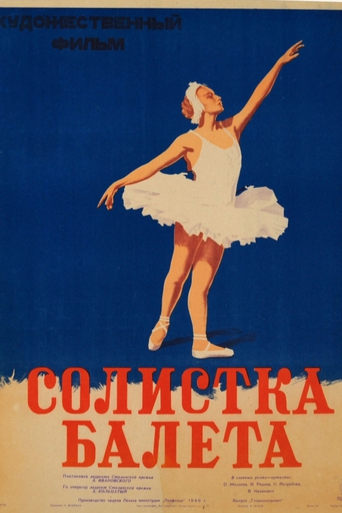
Titles linked here include Кино-концерт 1941 (1941), Ballerina (1947).
When was Galina Ulanova born and when did she die?
Born January 8, 1910; died March 21, 1998.
What awards did Galina Ulanova win?
Ulanova received numerous prestigious awards including the title of People's Artist of the USSR, the Lenin Prize, the Stalin Prize (twice), four Orders of Lenin, and was named a Hero of Socialist Labor. She also received international recognition including the Prix Benois de la Danse and was made a foreign member of the French Academy of Dance.
What was Galina Ulanova's dancing style?
Ulanova's dancing style was characterized by extraordinary emotional depth, psychological authenticity, and seamless technical execution. She transformed ballet from technical display into profound emotional storytelling, emphasizing character development and dramatic truth. Her performances were noted for their lyrical quality, delicate precision, and ability to convey complex emotions through minimal movement.