No Poster
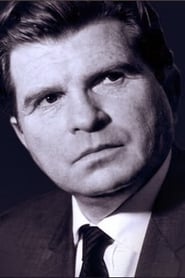
Emil Gilels
Actor
Born: October 19, 1916 in Odessa, Russian Empire (now Ukraine) Died: October 14, 1985 Active: 1929-1985 Birth Name: Emil Grigoryevich Gilels
Films
1 film
About Emil Gilels
Emil Grigoryevich Gilels was classical pianists of the 20th century, renowned for his extraordinary technical mastery and profound musical interpretations. Born in Odessa in 1916, he began studying piano at age 6 and gave his first public performance at 12. He graduated from the Odessa Conservatory in 1935 before continuing his studies at the Moscow Conservatory under Heinrich Neuhaus. His international breakthrough came in 1938 when he won first prize at the prestigious Ysaÿe International Competition in Brussels, defeating notable competitors including Arturo Benedetti Michelangeli. During World War II, he performed extensively for Soviet troops and appeared in the 1941 concert film 'Кино-концерт 1941'. After Stalin's death, he became one of the first Soviet artists to tour extensively in the West, making his American debut in 1955. He served as a professor at the Moscow Conservatory from 1952 until his death in 1985, influencing generations of pianists. Gilels was particularly acclaimed for his interpretations of Beethoven, Brahms, and Russian composers, though his vast repertoire spanned from Bach to Prokofiev.
The Craft
Milestones
- Won first prize at Ysaÿe International Competition in Brussels (1938)
- Graduated from Moscow Conservatory (1938)
- Became professor at Moscow Conservatory (1952)
- Made American debut in 1955
- Received Lenin Prize (1962)
- Awarded Hero of Socialist Labor (1976)
- Performed in 'Кино-концерт 1941' concert film
Best Known For
Iconic Roles
Must-See Films
Accolades
Won
- Lenin Prize (1962)
- Stalin Prize (1946)
- Order of Lenin (multiple times)
- Hero of Socialist Labor (1976)
- People's Artist of the USSR (1954)
Nominated
- Grammy Award nominations for Best Classical Performance
Special Recognition
- Honorary member of American Academy of Arts and Sciences
- Honorary doctorates from multiple universities
- International Tchaikovsky Competition jury member
Working Relationships
Worked Often With
Why They Matter
Impact on Culture
Gilels played a crucial role in cultural exchange during the Cold War, serving as a musical ambassador between the Soviet Union and the West. His performances helped break down barriers and demonstrate the artistic excellence possible under the Soviet system. His recordings, particularly of Beethoven's piano sonatas and concertos, remain reference interpretations that continue to influence pianists worldwide. He helped establish the Russian piano school's reputation for technical brilliance combined with emotional depth.
Lasting Legacy
Emil Gilels made a lasting contribution to classical music through his recordings, teaching, and performances. His complete recordings of Beethoven's piano sonatas are considered among the finest ever made. As a teacher, he shaped generations of Russian pianists who continue the tradition of virtuosity and musical integrity. His approach to music-making—combining technical perfection with profound emotional expression—set a standard that continues to inspire pianists today.
Who They Inspired
Gilels influenced countless pianists through his recordings and masterclasses. His interpretations of Beethoven, in particular, set new standards for clarity, structure, and emotional depth. Many contemporary pianists, including Evgeny Kissin and Arcadi Volodos, cite Gilels as a major influence. His teaching at the Moscow Conservatory helped maintain and evolve the Russian piano tradition, emphasizing both technical mastery and musical authenticity.
Off Screen
Gilels married Fariset (Lala) Hutsistova in 1937, and they had one daughter, Elena, who also became a pianist. Despite his international fame, he maintained a relatively private personal life and remained loyal to the Soviet Union throughout his career, though he occasionally expressed frustration with Soviet restrictions on artistic freedom. He was known for his modesty despite his enormous talent and fame.
Education
Odessa Conservatory (graduated 1935), Moscow Conservatory (graduated 1938 under Heinrich Neuhaus)
Family
- Fariset (Lala) Hutsistova (1937-1985)
Did You Know?
- Was a chess enthusiast and played at master level
- Could reportedly memorize entire piano concertos in a single reading
- His sister Elizaveta was also a professional violinist
- Refused to defect to the West despite numerous opportunities
- Performed for Soviet troops during the Siege of Leningrad
- Was the first Soviet pianist to tour the United States extensively
- His recording of Brahms' Piano Concerto No. 2 with Fritz Reiner is considered legendary
- Had an encyclopedic knowledge of the piano repertoire
- Was known for his meticulous practice routine, often practicing 8-10 hours daily
- His death occurred just five days before his 69th birthday
In Their Own Words
The piano is a monster that screams when you touch its teeth.
Music is the divine way to tell beautiful, poetic things to the heart.
Technique is not an end in itself, but a means to an end—the expression of music.
The most important thing in music is not the notes, but what happens between the notes.
Frequently Asked Questions
Who was Emil Gilels?
Emil Gilels was one of the greatest classical pianists of the 20th century, a Soviet virtuoso known for his extraordinary technical mastery and profound musical interpretations. He gained international fame after winning the 1938 Ysaÿe Competition and became a cultural ambassador during the Cold War era.
What films is Emil Gilels best known for?
Gilels appeared primarily in concert films rather than dramatic cinema. His most notable film appearance was in the 1941 Soviet concert film 'Кино-концерт 1941' where he performed as himself, showcasing his piano playing to Soviet audiences during World War II.
When was Emil Gilels born and when did he die?
Emil Gilels was born on October 19, 1916, in Odessa, Russian Empire (now Ukraine), and died on October 14, 1985, in Moscow, Soviet Union, just five days before his 69th birthday.
What awards did Emil Gilels win?
Gilels received numerous prestigious awards including the Lenin Prize (1962), Stalin Prize (1946), multiple Orders of Lenin, was named Hero of Socialist Labor (1976), and was designated People's Artist of the USSR (1954). He also won first prize at the 1938 Ysaÿe International Competition in Brussels.
What was Emil Gilels's musical style?
Gilels was known for his combination of formidable technical precision with deep emotional expressiveness. His playing was characterized by powerful tone, crystal-clear articulation, and intellectual rigor balanced with passionate interpretation, particularly in his performances of Beethoven, Brahms, and Russian composers.