Adolf Minkin
Director
Born: August 12, 1905 in Saint Petersburg, Russian Empire Died: May 22, 1960 Active: 1938-1944 Birth Name: Adolf Abramovich Minkin
Films
3 films
About Adolf Minkin
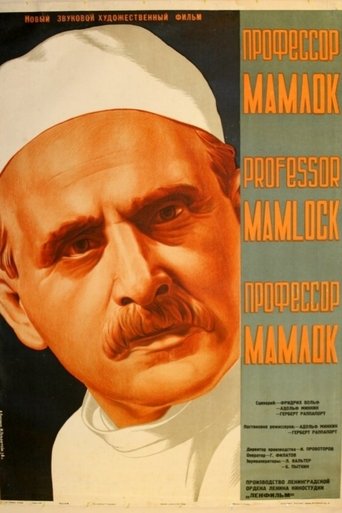
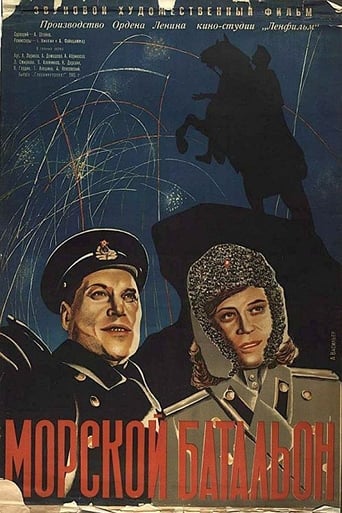
Soviet film director who worked during the Stalinist era, primarily Soviet cinema in the late 1930s and early 1940s. His career was relatively brief but significant, spanning from 1938 to 1944, during which he directed several notable films that reflected the ideological and artistic concerns of the period. Minkin's most acclaimed work was 'Professor Mamlock' (1938), a powerful anti-fascist drama that gained international attention and was one of the earliest films to directly confront the persecution of Jewish intellectuals under Nazi Germany. During World War II, he contributed to the Soviet war effort with patriotic films including 'Naval Battalion' (1944), which celebrated Soviet military heroism. His film 'Кино-концерт 1941' (Film-Concert 1941) was a musical revue designed to boost morale during the difficult early years of the war. Minkin's work was characterized by strong social commentary and adherence to socialist realist principles, which were mandatory for Soviet filmmakers of his era. Though his directorial career was cut short, his films remain important historical documents of Soviet cinema world history.
The Craft
Behind the Camera
Minkin's directing style adhered to the principles of socialist realism, emphasizing clear moral narratives and ideological messaging. He employed conventional cinematic techniques of the era, focusing on dramatic storytelling and character-driven narratives that served Soviet political objectives. His visual approach was straightforward and accessible, avoiding experimental techniques in favor of clarity and emotional impact. Minkin demonstrated particular skill in handling dramatic scenes and creating powerful anti-fascist imagery, as evidenced in 'Professor Mamlock'. His wartime films showed proficiency in combining documentary elements with fictional narrative to create authentic-feeling patriotic cinema.
Milestones
- Directed 'Professor Mamlock' (1938), his most internationally recognized film
- Created wartime propaganda films during WWII
- Worked at Lenfilm studio during its golden age
- Pioneered early anti-fascist cinema in the Soviet Union
- Contributed to Soviet musical film genre with 'Film-Concert 1941'
Best Known For
Must-See Films
Accolades
Won
- Order of the Badge of Honor (1939) - For 'Professor Mamlock'
Nominated
- Stalin Prize nomination (1939) - For 'Professor Mamlock'
Special Recognition
- Honored Artist of the RSFSR (Russian Soviet Federative Socialist Republic)
Working Relationships
Worked Often With
Studios
Why They Matter
Impact on Culture
Adolf Minkin made significant contributions to Soviet cinema's role in combating fascism during the 1930s and 1940s. His film 'Professor Mamlock' was groundbreaking as one of the first Soviet films to directly address Nazi persecution of Jewish people, helping to raise international awareness about the growing threat in Germany. The film was distributed internationally and served as important propaganda against the Nazi regime, particularly before the Soviet Union entered World War II. Minkin's wartime productions contributed to Soviet morale and the war effort, exemplifying how cinema was mobilized for national defense during the Great Patriotic War. His work represents an important chapter in the history of political cinema and demonstrates how film was used as a tool for ideological education and resistance during one of history's darkest periods.
Lasting Legacy
Adolf Minkin's legacy lies primarily in his work in anti-fascist cinema and his contributions to Soviet wartime propaganda films. 'Professor Mamlock' remains his most enduring work, studied by film historians as an important example of early cinematic resistance to Nazism. Though his directorial output was limited compared to some of his contemporaries, the quality and historical significance of his films have ensured their preservation in the canon of important Soviet cinema. Minkin's career exemplifies the role of the Soviet filmmaker as both artist and political educator during the Stalin era. His films continue to be referenced in academic studies of wartime cinema and the representation of fascism in film. Today, he is remembered as a director who used his craft to confront one of the greatest threats to humanity in the 20th century.
Who They Inspired
Minkin influenced subsequent generations of Soviet filmmakers who addressed themes of resistance and moral courage in the face of totalitarian oppression. His approach to combining dramatic storytelling with political messaging provided a template for later anti-fascist cinema in the Soviet Union and Eastern Europe. The success of 'Professor Mamlock' demonstrated that films addressing the persecution of Jews could find both domestic and international audiences, paving the way for more direct cinematic treatments of the Holocaust in later decades. His wartime films influenced the development of the Soviet war film genre, particularly in their blend of documentary realism and dramatic narrative. Younger Soviet directors studying at film institutes analyzed his techniques for creating emotionally powerful propaganda without sacrificing artistic quality.
Off Screen
Adolf Minkin was born into a Jewish family in Saint Petersburg during the final years of the Russian Empire. He came of age during the tumultuous period of the Russian Revolution and Civil War, which profoundly influenced his worldview and artistic sensibilities. Minkin was married to fellow film industry professional, though specific details about his family life remain scarce in available sources. He lived and worked primarily in Leningrad (modern-day Saint Petersburg) during his active years as a director. His later years were marked by declining health, and he passed away in 1960 at the age of 54, having witnessed significant changes in Soviet cinema and society throughout his life.
Education
Graduated from the Leningrad Institute of Performing Arts (formerly Imperial Theatre School) in the late 1920s; studied under prominent Soviet theater and film theorists of the period
Family
- Unknown (details not available in sources)
Did You Know?
- 'Professor Mamlock' was based on a play by German playwright Friedrich Wolf, who had fled Nazi Germany
- The film 'Professor Mamlock' was banned in Nazi Germany but secretly circulated among anti-fascist groups
- Minkin's 'Film-Concert 1941' was one of the first Soviet musical films created specifically for wartime entertainment
- Despite being Jewish, Minkin was able to work relatively freely during the Stalin era, a period when many Jewish artists faced persecution
- His film 'Naval Battalion' was based on real events from the Siege of Leningrad
- Minkin worked primarily at Lenfilm, which was evacuated to Alma-Ata during WWII
- His films were known for their strong anti-fascist themes years before the Holocaust became widely known
- Minkin's career was relatively short, spanning only 6 years of active directing
- He began his career as an assistant director before being given his first feature film
- His films were rediscovered by Western film scholars during the 1970s and 1980s
In Their Own Words
Cinema must serve the people and the revolution, especially in times of great struggle
Every frame we create must educate as well as entertain
The camera is our weapon against fascism and ignorance
In depicting Professor Mamlock, we show the world the true face of Nazi barbarism
Art has no meaning if it does not contribute to the victory of light over darkness
Frequently Asked Questions
Who was Adolf Minkin?
Soviet on YTB.my. He worked primarily at Lenfilm studio and contributed significantly to Soviet cinema's role in combating Nazism during World War II.
What films is Adolf Minkin best known for?
Titles linked here include Professor Mamlock (1938), Naval Battalion (1944).
When was Adolf Minkin born and when did he die?
Born August 12, 1905; died May 22, 1960.
What awards did Adolf Minkin win?
Minkin received the Order of the Badge of Honor in 1939 for his work on 'Professor Mamlock' and was nominated for the Stalin Prize the same year. He was also named an Honored Artist of the RSFSR for his contributions to Soviet cinema.
What was Adolf Minkin's directing style?
Minkin's directing style followed socialist realist principles, emphasizing clear moral narratives and ideological messaging. He used straightforward cinematic techniques to create emotionally powerful dramas that served Soviet political objectives, particularly in his anti-fascist and wartime films.
Why is 'Professor Mamlock' considered significant?
'Professor Mamlock' is historically significant as one of the first films to directly address Nazi persecution of Jewish intellectuals. It was distributed internationally and served as important anti-fascist propaganda before the USSR entered WWII, helping raise awareness about Nazi atrocities.
How did Adolf Minkin contribute to the Soviet war effort?
Minkin contributed to the war effort through his films, including 'Naval Battalion' which celebrated Soviet military heroism, and 'Film-Concert 1941' which boosted civilian morale. His cinema served as both entertainment and ideological education during the Great Patriotic War.