Films
9 films
About Konstantin Sorokin
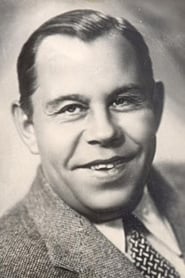
Soviet character actor who worked during the Stalinist era of Soviet cinema, primarily active from 1936 through the 1950s. Konstantin appears in numerous films that reflected the socialist realist aesthetic favored during this period, often portraying working-class characters, officials, and everyday Soviet citizens. His the crucial years of World War II and the immediate post-war period, times when Soviet cinema served important propaganda and cultural functions. Sorokin worked with some of the most prominent Soviet directors of his time and appeared in films that have since become classics of Soviet cinema. While never achieving leading man status, he became a recognizable face to Soviet audiences through his consistent work in supporting and character roles. His filmography reflects the evolution of Soviet cinema from the 1930s through the early Cold War period.
The Craft
On Screen
Sorokin's acting style reflected the socialist realist approach dominant in Soviet cinema during his career, emphasizing clear character types that served ideological and narrative purposes. His performances were typically straightforward and accessible, embodying the ideals of Soviet character acting where clarity of purpose and emotional directness were valued over subtle psychological complexity.
Milestones
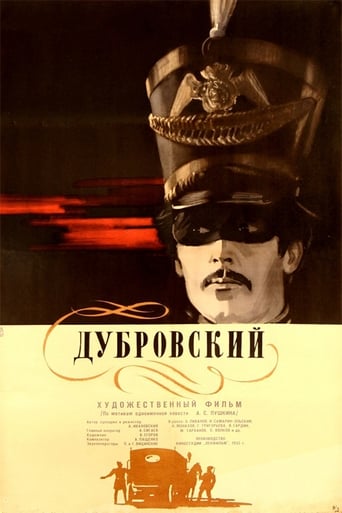
- Appeared in the classic adaptation 'Dubrovskiy' (1936)
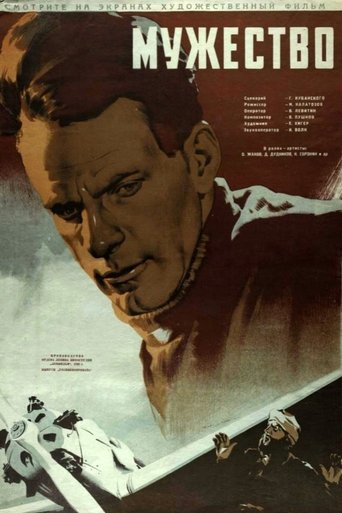
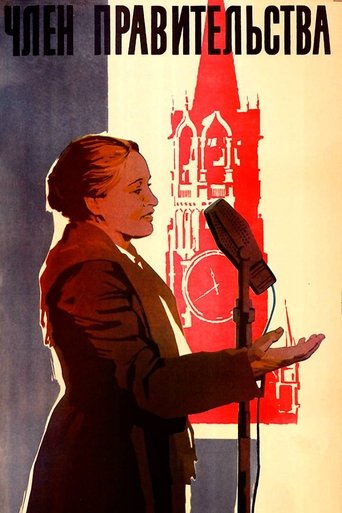
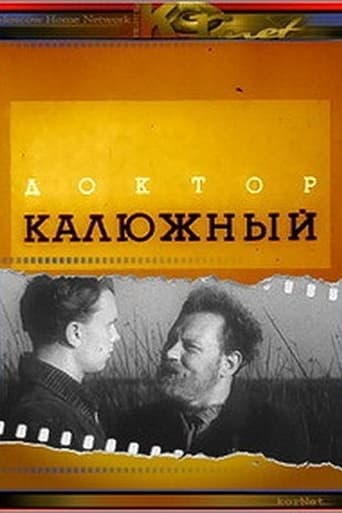
- Starred in multiple films in 1939 including 'Courage', 'Member of the Government', and 'Doktor Kalyuzhnyy'
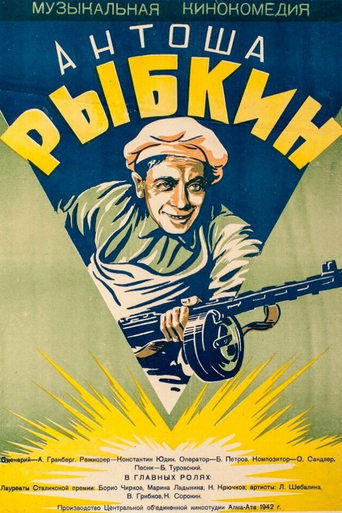
- Played roles in wartime cinema including 'Antosha Rybkin' (1942)
- Contributed to Soviet cinema during the Stalinist era
Best Known For
Iconic Roles
Must-See Films
Working Relationships
Studios
Why They Matter
Impact on Culture
Konstantin Sorokin contributed to the Soviet cinema during a formative period in its history. As a character actor working within the socialist realist tradition, he helped create the visual and narrative language that defined Soviet film during the Stalinist era. His work in films like 'Dubrovskiy' and wartime productions contributed to the cultural memory and historical record of Soviet society during these crucial decades.
Lasting Legacy
While not a major star, Sorokin's body of work represents the important contributions of character actors to Soviet cinema. His films remain part of the historical canon of Soviet filmmaking, offering insights into the cultural values, aesthetic preferences, and social concerns of Soviet society during the 1930s and 1940s.
Who They Inspired
As a working actor within the Soviet system, Sorokin's influence would have been primarily through his contributions to individual films rather than through mentoring other actors or developing new acting techniques. His work exemplifies the professional standards and artistic conventions expected of Soviet actors during this period.
Off Screen
Limited information is available about Konstantin Sorokin's personal life, which was common for character actors in the Soviet system who were not major stars. Like many Soviet actors of his generation, his life and career were likely shaped by the political and cultural demands of the Stalinist era.
Did You Know?
- Appeared in four different films in 1939, indicating he was a busy working actor during this period
- His film 'Dubrovskiy' (1936) was based on a work by Alexander Pushkin
- Worked during the height of Stalin's purges, a dangerous time for artists in the Soviet Union
- His active years covered the crucial World War II years when Soviet cinema played important propaganda roles
- Like many Soviet actors of his era, he likely worked for state-controlled film studios
Frequently Asked Questions
Who was Konstantin Sorokin?
Screen credits include numerous films during the Stalinist era of Soviet cinema, working primarily in supporting and character roles.
What films is Konstantin Sorokin best known for?
Titles linked here include Dubrovskiy (1936), Courage (1939).
When was Konstantin Sorokin active in cinema?
Konstantin Sorokin was active in Soviet cinema from 1936 through the 1950s, with his most documented work occurring between 1936 and 1942.
What was Konstantin Sorokin's acting style?
Sorokin's acting style reflected the socialist realist approach dominant in Soviet cinema, featuring straightforward, accessible performances that embodied clear character types serving ideological and narrative purposes.
What was Konstantin Sorokin's role in Soviet cinema?
As a character actor, Sorokin contributed to the socialist realist tradition in Soviet film, helping create the visual and narrative language that defined Soviet cinema during the Stalinist era through his work in numerous productions.