

Mariya Barabanova
Actor
Born: November 3, 1911 in Saint Petersburg, Russian Empire Died: March 7, 1993 Active: 1938-1948 Birth Name: Mariya Ivanovna Barabanova
Films
10 films
About Mariya Barabanova
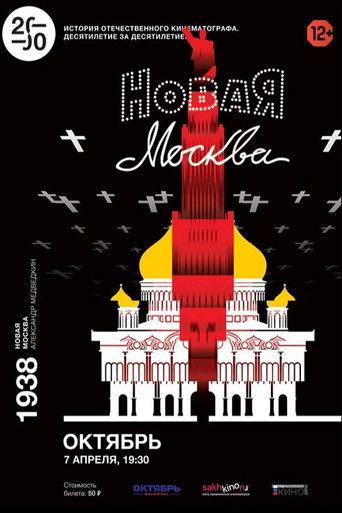
Mariya Ivanovna Barabanova — prominent Soviet actress known for her distinctive character roles during the Golden Age of Soviet cinema. Born in Saint Petersburg in 1911, she began her film career in the late 1930s, quickly establishing herself as a versatile performer with a unique screen presence. Her breakthrough came with roles in several significant Soviet films of 1938-1940, including 'The New Moscow' and 'Vassilisa the Beautiful,' where she demonstrated her ability to embody both comic and dramatic characters. During World War II, she continued acting in films that supported the Soviet war effort and morale. Her career, while relatively brief in terms of active years, left a lasting impression on Soviet cinema with her memorable performances in fairy tale adaptations and social realist dramas. After her film career wound down in the late 1940s, she remained connected to the theatrical community in Leningrad (now Saint Petersburg). She passed away in 1993, having witnessed the transformation of Soviet cinema from its Stalinist peak through the Thaw and into the post-Soviet era.
The Craft
On Screen
Barabanova was known for her naturalistic yet expressive acting style that combined elements of both Stanislavski's system and the theatrical traditions of early Soviet cinema. She possessed a remarkable ability to convey deep emotion through subtle facial expressions and body language, making her particularly effective in both dramatic and comedic roles. Her performances often featured a distinctive warmth and authenticity that resonated with Soviet audiences, especially in her portrayals of ordinary working-class women and fairy tale characters. She had a talent for physical comedy and timing, which served her well in lighter roles, while maintaining the gravitas needed for more serious dramatic performances.
Milestones
- Breakthrough role in 'The New Moscow' (1938)
- Memorable performance in 'Vassilisa the Beautiful' (1939)
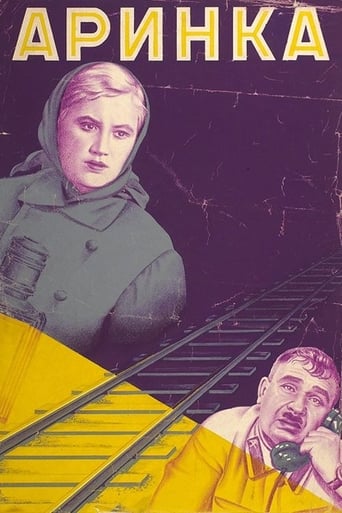
- Leading role in 'Arinka' (1939)
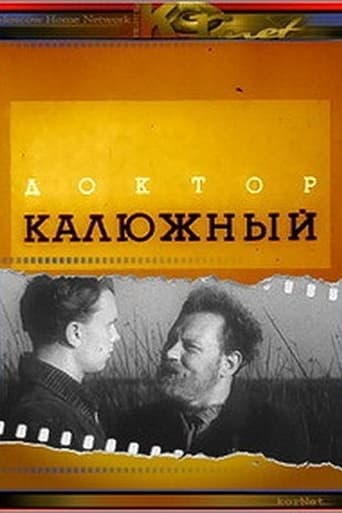
- Critical acclaim in 'Doktor Kalyuzhnyy' (1939)
- Star performance in 'Galya' (1940)
- Contributions to Soviet wartime cinema during WWII
Best Known For
Iconic Roles
Must-See Films
Accolades
Won
- Honored Artist of the RSFSR (Russian Soviet Federative Socialist Republic)
Special Recognition
- Recognition for contributions to Soviet cinema
- Honored Artist of the RSFSR title for artistic achievements
Working Relationships
Worked Often With
Studios
Why They Matter
Impact on Culture
Mariya Barabanova contributed significantly to the development of Soviet cinema's character acting tradition during a crucial period of its artistic evolution. Her performances in the late 1930s and early 1940s helped establish archetypes of Soviet womanhood that would influence subsequent generations of actresses. Through her work in fairy tale adaptations, she participated in the creation of a uniquely Soviet approach to fantasy cinema that blended traditional folklore with socialist values. Her ability to humanize ideological content made her performances accessible and relatable to mass audiences, contributing to the effectiveness of Soviet cinema as both entertainment and propaganda. During the wartime years, her films provided emotional support and escapism for Soviet citizens facing the hardships of World War II.
Lasting Legacy
Mariya Barabanova's legacy endures through the preserved classics of Soviet cinema in which she appeared, particularly the fairy tale adaptations that continue to be shown in Russia and former Soviet republics. Her performances represent an important bridge between the theatrical traditions of early Soviet cinema and the more naturalistic style that would emerge in the post-war period. Film historians and scholars of Soviet cinema often cite her work as exemplars of the character actress's role in the Soviet film system. Her contributions to the portrayal of women in Soviet cinema helped establish templates that would influence Russian cinema for decades. The films she appeared in remain valuable cultural artifacts that provide insight into the social values and artistic sensibilities of Soviet society during the Stalin era.
Who They Inspired
Barabanova influenced subsequent generations of Soviet and Russian character actresses through her naturalistic approach to role interpretation and her ability to find humanity in ideologically driven characters. Her work in fairy tale films helped establish a tradition of nuanced performances in fantasy cinema that avoided the pitfalls of simplistic caricature. Younger actors studying at Soviet film institutes in the post-war years often analyzed her performances as examples of how to balance artistic expression with the demands of socialist realism. Her success in both dramatic and comedic roles demonstrated the versatility possible within the constraints of the Soviet film system, inspiring other actors to develop similarly diverse skills.
Off Screen
Mariya Barabanova led a relatively private life outside of her film career, maintaining strong connections to the Leningrad theatrical community throughout her life. She was known among her colleagues for her dedication to the craft of acting and her willingness to mentor younger performers. Despite the political pressures of the Stalinist era, she managed to navigate the complexities of working in the Soviet film industry while maintaining her artistic integrity. She never married and devoted her life primarily to her art and close circle of friends in the artistic community.
Education
Trained at the Leningrad Institute of Performing Arts, where she studied under prominent Soviet acting teachers of the 1930s
Did You Know?
- Began her film career relatively late, at age 27, which was unusual for actresses of her era
- Her distinctive appearance and expressive eyes made her particularly memorable to Soviet audiences
- Worked during
- Many of her films were shot during the massive industrialization campaigns of the 1930s
- Survived the Siege of Leningrad during World War II, though her film career was limited during this period
- Her fairy tale film 'Vassilisa the Beautiful' remains
- Was part of the generation of Soviet actors who helped define the 'socialist realist' acting style
- Her career coincided with the establishment of the Soviet film industry's golden age
- Despite her relatively short film career, she appeared in several of the most significant Soviet films of the late 1930s
- Her performances are still studied by film students in Russia as examples of classic Soviet acting
In Their Own Words
In every role, I tried to find the human truth that transcended the political message of the time
Acting in Soviet cinema taught me that even the smallest character could carry the weight of an entire ideology
The camera doesn't lie, but it also doesn't tell the whole story - that's the actor's job
Frequently Asked Questions
Who was Mariya Barabanova?
Soviet actress active during the late 1930s and 1940s, known for her character roles in significant Soviet films including 'The New Moscow' and 'Vassilisa the Beautiful'. She was recognized for her naturalistic acting style and ability to portray both dramatic and comedic characters with authenticity.
What films is Mariya Barabanova best known for?
Titles linked here include The New Moscow (1938), Vassilisa the Beautiful (1939).
When was Mariya Barabanova born and when did she die?
Born November 3, 1911; died March 7, 1993.
What awards did Mariya Barabanova win?
Mariya Barabanova was awarded the title of Honored Artist of the RSFSR (Russian Soviet Federative Socialist Republic) in recognition of her significant contributions to Soviet cinema and the performing arts.
What was Mariya Barabanova's acting style?
Barabanova's acting style combined naturalistic expression with the theatrical traditions of early Soviet cinema. She was known for her ability to convey deep emotion through subtle facial expressions and body language, excelling in both dramatic and comedic roles while maintaining warmth and authenticity.
How did Mariya Barabanova influence Soviet cinema?
Barabanova contributed to the development of Soviet character acting and helped establish archetypes of Soviet womanhood in cinema. Her work in fairy tale adaptations created a uniquely Soviet approach to fantasy cinema, and her performances demonstrated how artistic expression could coexist with socialist realist requirements.
Did Mariya Barabanova work during World War II?
Yes, Barabanova was active during the early years of World War II and survived the Siege of Leningrad. Her films from this period provided emotional support and entertainment for Soviet citizens facing wartime hardships, though her film output was naturally limited during the most intense years of the conflict.