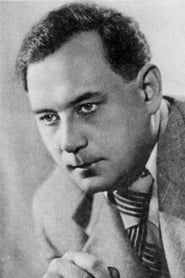
Yuriy Tolubeev
Actor
Born: April 18, 1906 in Saint Petersburg, Russian Empire Died: December 28, 1979 Active: 1927-1979 Birth Name: Yuriy Vladimirovich Tolubeev
Films
8 films

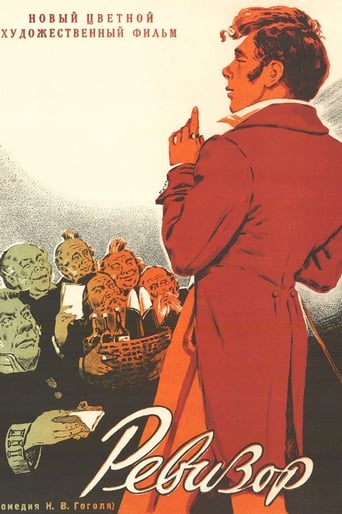
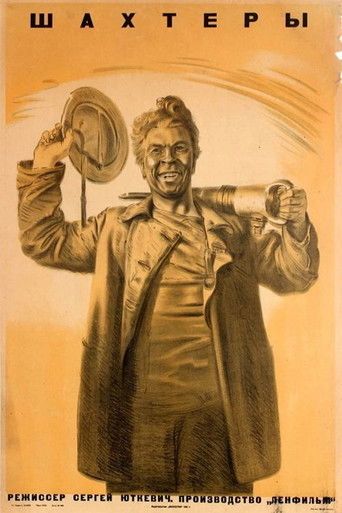
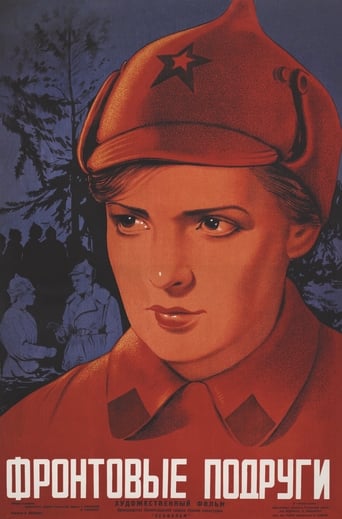
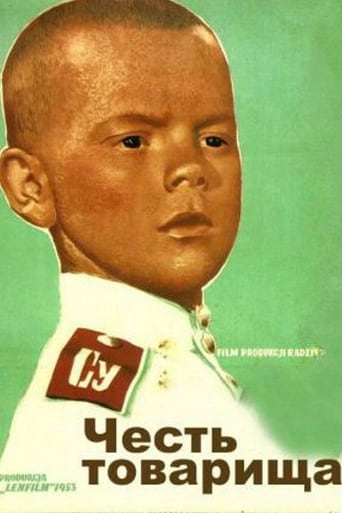
About Yuriy Tolubeev
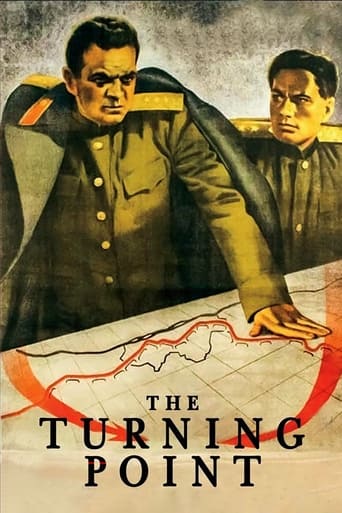
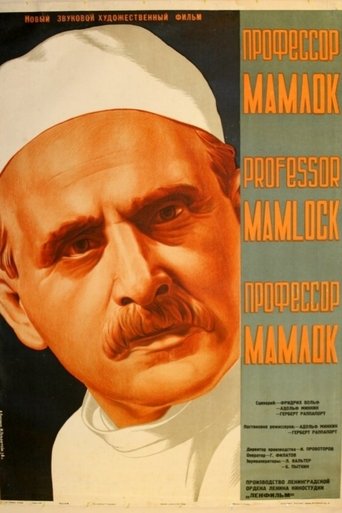
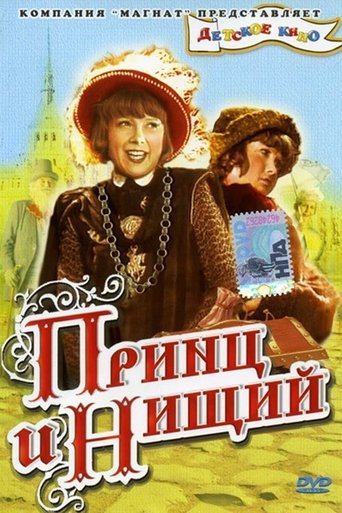
Yuriy Vladimirovich Tolubeev was actors of Soviet cinema and theater, active from the 1920s through the 1970s. Born in Saint Petersburg in 1906, he began his acting career after graduating from the Leningrad Institute of Performing Arts in 1927, quickly establishing himself as a versatile character actor. Tolubeev gained prominence during the 1930s with powerful performances in socially significant films like 'Professor Mamlock' and 'The Vyborg Side,' which showcased his ability to portray complex characters with psychological depth. During World War II, he contributed to the war effort through patriotic films such as 'The Girl from Leningrad,' demonstrating his commitment to Soviet cinema's role in national morale. His post-war career flourished with memorable roles in classic adaptations including 'The Prince and the Pauper' and 'The Gadfly,' cementing his status as a People's Artist of the USSR. Tolubeev was equally renowned for his theater work, particularly at the Leningrad Drama Theater named after Pushkin, where he delivered performances for decades. His final years saw him continuing to work in both film and television until his death in 1979, leaving behind a legacy as one of Soviet cinema's most respected character actors.
The Craft
On Screen
Tolubeev was known for his methodical approach to character development, combining psychological realism with strong emotional depth. His acting style emphasized internal conflict and moral complexity, often portraying intellectuals, revolutionaries, and ordinary people caught in extraordinary circumstances. He had a remarkable ability to convey subtle emotions through facial expressions and voice modulation, making his characters feel authentic and multi-dimensional.
Milestones
- Graduated from Leningrad Institute of Performing Arts (1927)
- Leading actor at Leningrad Drama Theater (1935-1979)
- Starred in 'Professor Mamlock' (1938)
- Received title of People's Artist of the USSR (1956)
- Awarded Stalin Prize (1941, 1948)
- Performed in over 50 films throughout career
Best Known For
Iconic Roles
Must-See Films
Accolades
Won
- Stalin Prize (1941)
- Stalin Prize (1948)
- Order of Lenin (1966)
- Order of the Red Banner of Labour (1956)
- Order of the October Revolution (1976)
Special Recognition
- People's Artist of the USSR (1956)
- People's Artist of the RSFSR (1945)
- Honored Artist of the RSFSR (1939)
Working Relationships
Worked Often With
Studios
Why They Matter
Impact on Culture
Yuriy Tolubeev played a significant role in shaping Soviet cinema's golden age, particularly in the 1930s-1950s period. His performances in socially conscious films helped define the aesthetic and moral values of Soviet art during this era. Tolubeev's portrayal of intellectuals and revolutionaries contributed to the cultural dialogue about the role of art in society, while his theater work helped establish Leningrad as a major cultural center. His films were not only popular domestically but also represented Soviet cinema internationally, particularly at film festivals in Venice, Cannes, and Karlovy Vary.
Lasting Legacy
Tolubeev's legacy endures through his extensive filmography, which continues to be studied and appreciated by film scholars and enthusiasts. He is remembered as. His influence on Soviet acting techniques remains significant, and his performances are still considered benchmarks for character acting in Russian cinema. The Tolubeev acting dynasty, continued by his son Andrei, represents.
Who They Inspired
Tolubeev influenced generations of Soviet and Russian actors through his emphasis on psychological realism and character depth. His method of preparing for roles through extensive research and emotional preparation became a model for serious dramatic acting in Soviet theater and cinema. Many younger actors cited his performances as inspiration, particularly his ability to maintain dignity and complexity in characters while working within the constraints of the Soviet system. His work at the Leningrad Drama Theater helped establish a school of acting that emphasized both technical precision and emotional authenticity.
Off Screen
Yuriy Tolubeev was married to actress Valentina Tolubeeva, with whom he shared both his personal and professional life. The couple had one son, Andrei Tolubeev, who also became a prominent actor, continuing the family's theatrical legacy. Tolubeev was known for his dedication to his craft and often spent long hours at the theater, balancing his film career with his stage commitments. Despite his fame, he maintained a relatively private personal life, focusing on his work and family.
Education
Leningrad Institute of Performing Arts (graduated 1927)
Family
- Valentina Tolubeeva (married 1930s-1979)
Did You Know?
- Was one of the few actors to successfully work in both Stalin-era and post-Stalin Soviet cinema
- His son Andrei also became a People's Artist of Russia
- Spent over 40 years at the same theater (Leningrad Drama Theater)
- Was known for his meticulous preparation for roles, often spending months researching historical characters
- Survived the Siege of Leningrad during WWII, continuing to perform for troops and civilians
- Was a close friend of fellow actor Nikolai Cherkasov
- Often played intellectuals and doctors, earning him the nickname 'Doctor Tolubeev' among audiences
- Was considered for the role of Lenin in several films but declined them
- Spoke fluent German, which helped him in international film festivals
- His final film role was in 1978, just a year before his death
In Their Own Words
The actor must disappear completely in his character, only then will the truth emerge
Theater is not a profession, it's a way of life
Every role is a new life, a new opportunity to understand human nature
In difficult times, art becomes more important than ever
The stage is my home, and the audience is my family
Frequently Asked Questions
Who was Yuriy Tolubeev?
Renowned Soviet with credits in this catalog. He was particularly celebrated for his psychologically complex character portrayals in classic Soviet films.
What films is Yuriy Tolubeev best known for?
Titles linked here include Professor Mamlock (1938), The Vyborg Side (1939).
When was Yuriy Tolubeev born and when did he die?
Born April 18, 1906; died December 28, 1979.
What awards did Yuriy Tolubeev win?
Tolubeev received numerous prestigious awards including two Stalin Prizes (1941, 1948), the title of People's Artist of the USSR (1956), and orders such as the Order of Lenin and Order of the Red Banner of Labour for his contributions to Soviet art.
What was Yuriy Tolubeev's acting style?
Tolubeev was known for his methodical approach combining psychological realism with emotional depth. He specialized in complex character portrayals, often playing intellectuals and revolutionaries, using subtle facial expressions and voice modulation to convey internal conflicts and moral complexity.