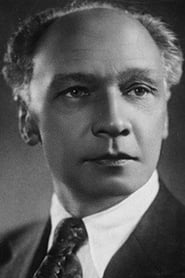
Mikhail Troyanovsky
Actor
Born: November 7, 1889 in Glazov, Vyatka Governorate, Russian Empire Died: December 4, 1964 Active: 1938-1964 Birth Name: Mikhail Konstantinovich Troyanovsky
Films
13 films

The Stone Flower
1946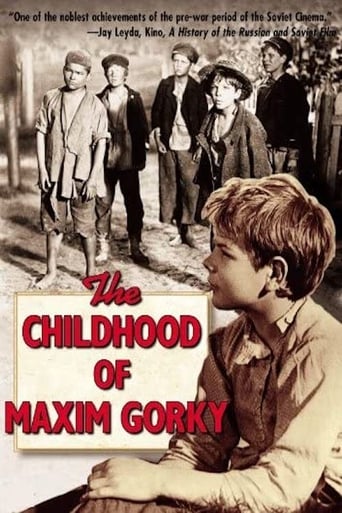
The Childhood of Maxim Gorky
1938
Collection of Films for the Armed Forces #1
1941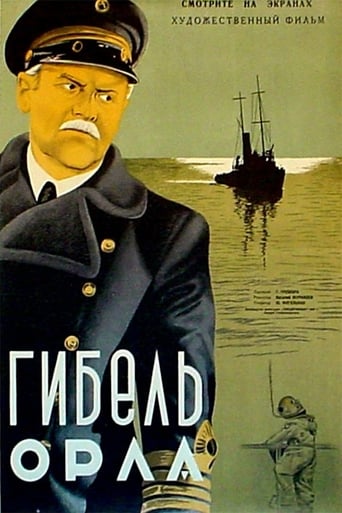
The Disappearance of "Eagle"
1940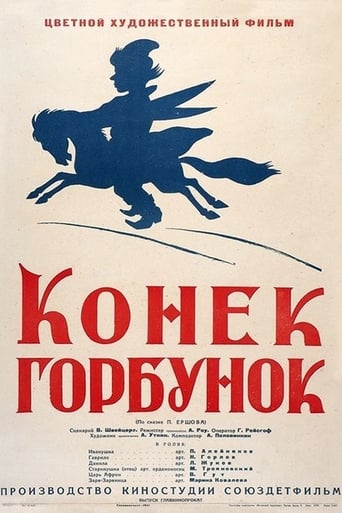
The Humpbacked Horse
1941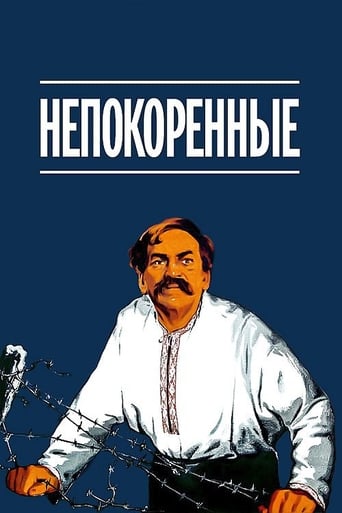
The Taras Family
1945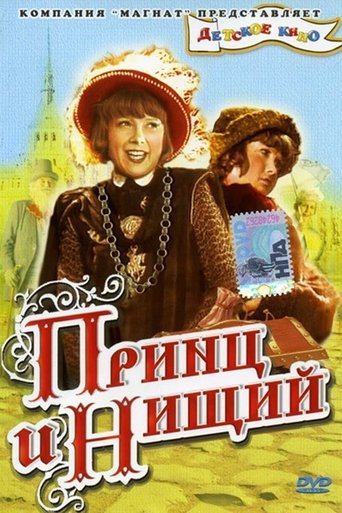
The Prince and the Pauper
1942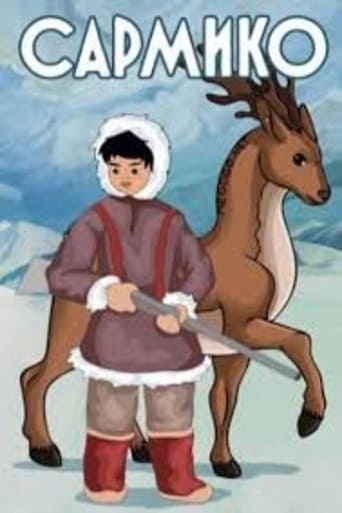
Sarmiko
1952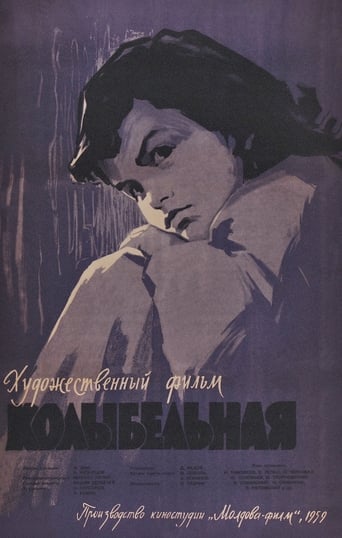
Lullaby
1959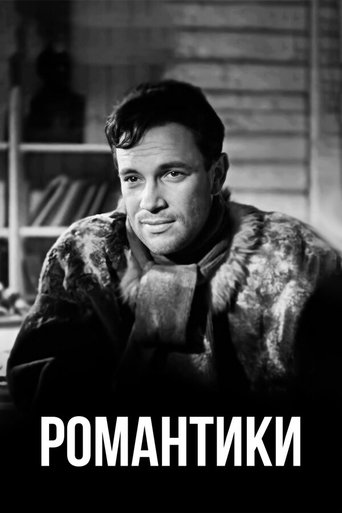
The Romantics
1941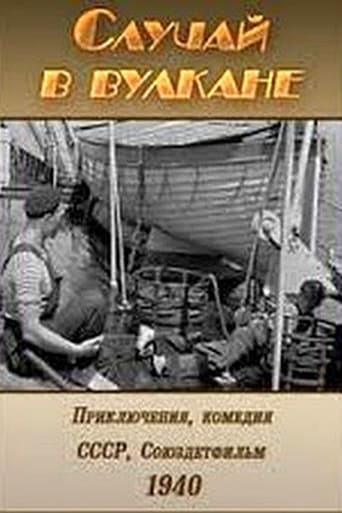
Incident on a Volcano
1941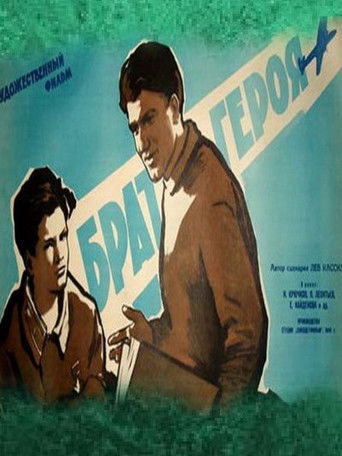
Brother of a Hero
1940About Mikhail Troyanovsky
Soviet actor: from the silent era through the golden age of Soviet cinema. Born in Glazov in 1889, he began his theatrical career before transitioning to film during the early sound era. Troyanovsky became renowned for his versatile character acting, particularly in adaptations of Russian literary classics and historical dramas. His breakthrough came with his role in 'The Childhood of Maxim Gorky' (1938), which established him as one of Soviet cinema's most reliable character actors. Throughout the 1940s and 1950s, he appeared in numerous significant Soviet productions, often portraying intellectuals, officials, or historical figures. His performances were marked by a naturalistic style that blended theatrical training with cinematic realism. Troyanovsky continued acting until his death in 1964, leaving behind a legacy of over 50 film performances that showcased his remarkable range and dedication to the craft.
The Craft
On Screen
Naturalistic character acting with theatrical foundation, specializing in portraying intellectuals, officials, and historical figures with psychological depth and authenticity
Milestones
- Breakthrough role in 'The Childhood of Maxim Gorky' (1938)
- Voice role in 'The Humpbacked Horse' (1941)
- Multiple collaborations with Soviet film studios
- Recognition as a People's Artist of the RSFSR
- Extensive work in literary adaptations
Best Known For
Iconic Roles
Must-See Films
Accolades
Won
- People's Artist of the RSFSR
- Order of the Red Banner of Labour
- Order of the Badge of Honour
Special Recognition
- Honored Artist of the RSFSR
- People's Artist of the RSFSR (1954)
Working Relationships
Worked Often With
Studios
Why They Matter
Impact on Culture
Mikhail Troyanovsky contributed significantly to the development of Soviet character acting, helping establish a tradition of psychological realism in Soviet cinema. His work in literary adaptations helped bring classic Russian literature to mass audiences through film, making complex characters accessible to ordinary Soviet citizens. During World War II, his contributions to films for the armed forces demonstrated cinema's role in morale and national unity. His performances reflected the Soviet ideal of the 'new man' while maintaining artistic integrity and psychological depth.
Lasting Legacy
Troyanovsky's legacy lives on through his extensive filmography, which serves as a valuable record of Soviet cinematic art from the 1930s through the early 1960s. He helped establish standards for character acting in Soviet cinema that influenced subsequent generations of performers. His work in both live-action and animation demonstrated the versatility required of Soviet actors. His performances continue to be studied as examples of how to balance ideological requirements with artistic expression in state-controlled cinema.
Who They Inspired
Troyanovsky influenced younger Soviet actors through his professional approach and ability to create complex characters within the constraints of socialist realism. His naturalistic style helped move Soviet film acting away from the exaggerated gestures of silent cinema toward more subtle, psychologically grounded performances. His work in voice acting for animation helped establish standards for that medium in the Soviet Union.
Off Screen
Mikhail Troyanovsky was deeply committed to his craft and maintained a private personal life away from the public eye. He was known among colleagues as a dedicated professional who brought theatrical discipline to his film work. His life spanned the entire Soviet period, from the Russian Revolution through the Khrushchev Thaw, and he adapted his acting style to reflect changing cultural and political demands.
Education
Graduated from theatrical training programs, likely associated with Moscow Art Theatre traditions
Did You Know?
- One of the few actors to successfully transition from silent films to sound in Soviet cinema
- Provided voice work for one of the first major Soviet animated features 'The Humpbacked Horse'
- Appeared in wartime propaganda films supporting the Soviet war effort
- His active years covered from Stalin's era through the Khrushchev Thaw
- Often cast in roles requiring intellectual or aristocratic bearing
- Worked with multiple major Soviet film studios throughout his career
- Received state honors recognizing his contributions to Soviet culture
- His film appearances often coincided with major Soviet literary adaptations
- Maintained theatrical training throughout his film career
- Participated in the cultural diplomacy efforts of the Soviet Union through cinema
Frequently Asked Questions
Who was Mikhail Troyanovsky?
Prominent Soviet with credits in this catalog. He specialized in character roles, particularly in literary adaptations and historical dramas, and was recognized as a People's Artist of the RSFSR for his contributions to Soviet culture.
What films is Mikhail Troyanovsky best known for?
Titles linked here include The Childhood of Maxim Gorky (1938), The Humpbacked Horse (1941).
When was Mikhail Troyanovsky born and when did he die?
Born November 7, 1889; died December 4, 1964.
What awards did Mikhail Troyanovsky win?
Troyanovsky received several prestigious Soviet honors including the title of People's Artist of the RSFSR in 1954, the Order of the Red Banner of Labour, and the Order of the Badge of Honour. These awards recognized his significant contributions to Soviet cinema and culture.
What was Mikhail Troyanovsky's acting style?
Troyanovsky was known for his naturalistic character acting that blended theatrical training with cinematic realism. He specialized in portraying intellectuals, officials, and historical figures with psychological depth, often bringing complex literary characters to life on screen with authenticity and nuance.