
The Magic Voyage of Sinbad
"Novgorod merchants and a bird of happiness"
Keys: Space play/pause · ←/→ 10s · F fullscreen · M mute · </> speed
About this film
Sadko is based on an opera by Nikolai Rimsky-Korsakov, which was based on a Russian epic tale of the same name. In the old Russian city of Novgorod, the merchants are feasting in a gorgeous palace and Sadko is bragging that he can bring to their land a sweet-voiced bird of happi.
Cast & crew
More films like this
More Action films
View all →
More from Aleksandr Ptushko
View all →
More about this film
About the production
Release dateJanuary 1953 (Soviet Union), 1962 (US release)
Box officeLimited US theatrical release through Filmgroup, specific figures not documented
ProductionMosfilm Studio, Filmgroup (US distribution)
Filmed inMoscow, Russia (Mosfilm Studios), Yalta, Crimea (coastal sequences)
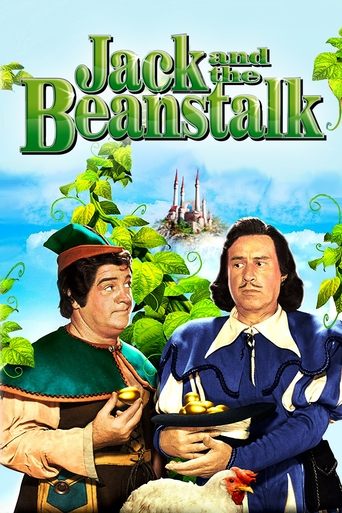
The original Russian version 'Sadko' ran approximately 85 minutes and featured extensive musical sequences from Rimsky-Korsakov's opera. Roger Corman's Filmgroup acquired US rights and created an 8-minute shorter English-dubbed version in 1962, removing much of the operatic content to appeal to American audiences. The dubbing process was typical of Corman's approach to foreign films, with new dialogue written to match existing lip movements. The film was retitled 'The Magic Voyage of Sinbad' to capitalize on the popularity of fantasy adventure films featuring Sinbad, despite the protagonist's actual name being Sadko.
Themes
The search for happinessThe power of music and artMaterial wealth vs. spiritual fulfillmentRussian cultural identityThe hero's journey
Themes & topics
fantasyadventureoperaRussian folklorevoyagemagicunderwater kingdombird of happinessmerchantminstrelepic journeymythical creaturesmedieval Russiacultural heritagemusical quest
Historical background
Archival paperwork links The Magic Voyage of Sinbad to a 1953 release handled by Mosfilm Studio.
Why this film matters
The plot's emphasis on sadko is based on an opera by nikolai rimsky-korsakov, which was based on a russian epic t mirrors popular narrative habits of the 1953 period.
Making of
The production of 'Sadko' was a massive undertaking for Mosfilm Studios, requiring the construction of numerous elaborate sets including the Novgorod palace, Indian markets, and the underwater kingdom of the Ocean King. Director Aleksandr Ptushko, who had previously worked on stop-motion animation, employed a combination of techniques including matte paintings, miniatures, and forced perspective to create the fantasy sequences. The underwater scenes were particularly challenging, filmed using large water tanks with special lighting and camera equipment. The musical numbers were recorded first, and the actors had to lip-sync to pre-recorded opera performances. When Roger Corman's Filmgroup acquired the US rights in 1962, they brought in writers to create new English dialogue that would match the existing lip movements while simplifying the story for American audiences. The dubbing process was rushed to capitalize on the fantasy film boom of the early 1960s, resulting in some awkward synchronization and simplified character motivations.
What critics said
Film historians reference The Magic Voyage of Sinbad in surveys of 1953 output from its studio tier.
Did you know?
- The film is based on a Russian bylina (epic poem) and Rimsky-Korsakov's 1898 opera 'Sadko'
- Director Aleksandr Ptushko was known as the 'Soviet Walt Disney' for his pioneering work in fantasy films
- The US version removed approximately 8 minutes of content, mostly musical numbers from the opera
- Despite being retitled 'The Magic Voyage of Sinbad,' the character's name is never changed to Sinbad in the dub
- The film features elaborate special effects using matte paintings, miniatures, and stop-motion animation
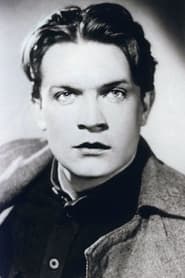
- Sergei Stolyarov, who played Sadko, was one of the Soviet Union's most popular actors of the 1940s-50s
- The underwater sequences were filmed using innovative techniques for the time, including underwater photography
- The film was part of a series of Russian fantasy films that Corman's Filmgroup acquired and re-edited for US audiences
- The costume design was based on historical Russian and Slavic folk art from the medieval period
- The Ocean King's palace set was among the costliest and elaborate constructions at Mosfilm Studios that year
Awards & recognition
- Venice Film Festival - Silver Lion (1953)
- All-Union Film Festival - First Prize (1954)
- Vasilyev Brothers State Prize of the RSFSR (1953)
Visual style
The cinematography by Fyodor Provorov employed innovative techniques for creating fantasy sequences, including elaborate matte paintings that extended the physical sets, multiple exposure techniques for magical effects, and pioneering underwater photography. The visual style emphasized rich, saturated colors that enhanced the fairy-tale quality of the story. The camera work combined sweeping, epic movements for the grand sequences with intimate framing for character moments, creating a sense of scale while maintaining emotional connection. The underwater sequences used specially developed underwater housings for the cameras and innovative lighting techniques to create the ethereal atmosphere of the Ocean King's realm. The film's visual approach influenced subsequent fantasy films, particularly in how it balanced practical effects with cinematographic techniques to create believable fantasy worlds.
Innovations
The film pioneered several technical achievements in Soviet cinema, particularly in special effects and fantasy production design. The underwater sequences represented some of the most ambitious underwater filming attempted in Soviet cinema up to that point. The film's use of matte paintings and miniatures to create fantasy environments was groundbreaking for the Soviet film industry. The production team developed new techniques for combining live action with special effects, particularly in scenes involving magical transformations and fantastical creatures. The costume and makeup department created elaborate designs for the fantasy characters that were both visually striking and practical for the actors to wear during the demanding production schedule. These technical innovations influenced subsequent Soviet fantasy films and demonstrated that the Soviet film industry could compete with international productions in the fantasy genre.
Music
The original Russian version featured extensive music from Nikolai Rimsky-Korsakov's opera 'Sadko,' with performances by leading Soviet opera singers. The score incorporated traditional Russian folk melodies and classical elements, creating a rich musical tapestry that enhanced the film's epic scope. The US version significantly reduced the musical content, keeping only selected pieces and adding new background music more typical of American fantasy films of the early 1960s. The sound design emphasized the magical elements of the story, with creative use of sound effects for the fantasy creatures and environments. The original Russian soundtrack has been praised for its fidelity to the opera while adapting it effectively to the cinematic medium, while the US version's soundtrack has been criticized for losing much of the cultural specificity of the original.
Famous quotes
I will bring you the Bird of Happiness, even if I must sail to the ends of the earth!
Music is the true treasure that can never be stolen or spent.
In seeking happiness for others, one often finds it for oneself.
The ocean holds more secrets than all the lands of the earth combined.
A promise made in jest is still a promise that must be kept.
Memorable scenes
- The opening feast in Novgorod where Sadko makes his boast about capturing the Bird of Happiness, featuring elaborate costumes and set design
- The underwater journey to the Ocean King's palace, with innovative special effects creating a magical underwater world
- Sadko's musical performance that enchants the Ocean King's daughter, showcasing the film's operatic elements
- The sequence in the Indian marketplace, with vibrant colors and exotic props demonstrating the film's scope
- The climactic choice scene where Sadko must decide between earthly treasure and true happiness
What audiences thought
Soviet audiences embraced 'Sadko' enthusiastically, drawn to its spectacular visuals, familiar cultural references, and beautiful music. The film became especially popular releases of 1953 in the USSR, with children particularly responding to its fantasy elements and adventure story. The US version found a modest audience among fantasy film enthusiasts and drive-in moviegoers, though it never achieved the commercial success of other fantasy films of the era like 'The 7th Voyage of Sinbad.' American audiences were often confused by the discrepancy between the title (referencing Sinbad) and the actual story, though many appreciated the film's visual spectacle regardless. Over time, both versions have developed cult followings among fantasy film enthusiasts and Soviet cinema scholars, with the original Russian version being particularly prized by collectors and film historians.
Film connections
Influenced by
- Russian bylinas (epic poems)
- Nikolai Rimsky-Korsakov's opera 'Sadko'
- Slavic folklore and mythology
- Soviet realist art tradition
- Classical Russian literature
- Medieval Russian chronicles
This film influenced
- Ilya Muromets (1956)
- Sampo (1959)
- The Tale of Tsar Saltan (1966)
- Jack Frost (1964)
- The Seventh Voyage of Sinbad (1958)
- Jason and the Argonauts (1963)
Film restoration
The original Russian version 'Sadko' has been preserved in the Gosfilmofond archive and has undergone restoration by Mosfilm. The 1962 US version exists in various film and video formats but has not received official restoration. Both versions are available through specialty distributors and streaming services specializing in classic and international cinema. The Russian version is considered culturally significant and is part of the permanent collection of several major film archives worldwide.
Where to watch
- The Criterion Channel (original Russian version with subtitles)
- YouTube (both versions available through various channels)
- Amazon Prime Video (US version)
- Specialty Blu-ray releases from Severin Films and other cult cinema distributors
- Internet Archive (public domain versions)
- Kino Lorber (home video releases)