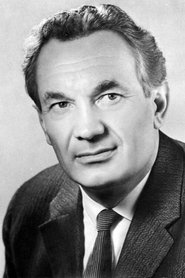
Ivan Pereverzev
Actor
Born: September 3, 1914 in Kuznetsk, Russian Empire (now Novokuznetsk, Russia) Died: April 23, 1978 Active: 1941-1953 Birth Name: Ivan Fyodorovich Pereverzev
Films
9 films
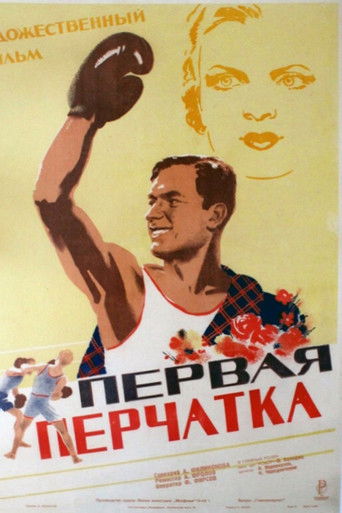
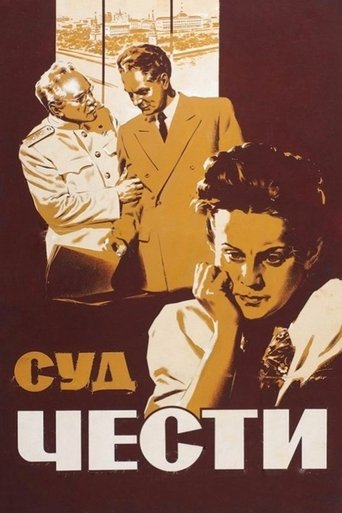
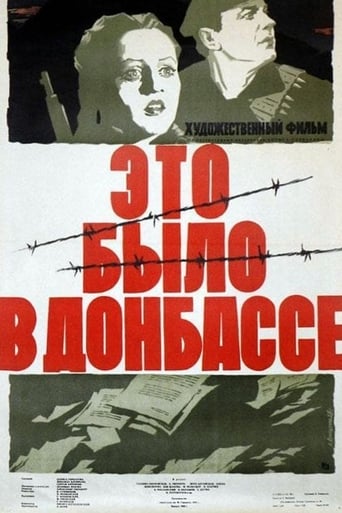
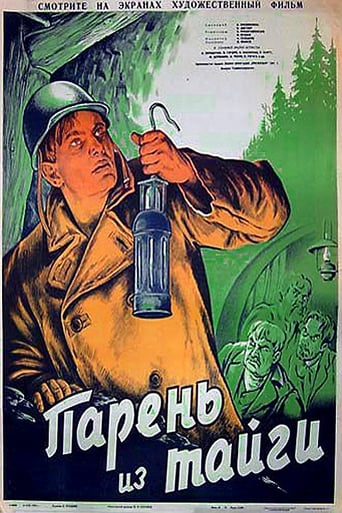
About Ivan Pereverzev
Prominent Soviet actor: the crucial period of Soviet cinema during and after World War II. Born into a working-class family, he discovered his passion for performing arts early and pursued formal training at the Moscow Art Theatre School. His breakthrough came in the early 1940s when he began appearing in wartime propaganda films that celebrated Soviet heroism and resilience. Pereverzev developed a reputation for portraying strong, masculine characters who embodied the ideal Soviet citizen - brave, determined, and devoted to the motherland. Throughout the 1940s and early 1950s, he became recognizable faces in Soviet cinema, appearing in numerous films that defined the era's cinematic landscape. His performances were characterized by their authenticity and emotional depth, making him particularly effective in war dramas and historical epics. Despite the political constraints of the Stalinist era, Pereverzev managed to bring nuance and humanity to his roles, earning both critical acclaim and popular admiration. His career gradually declined in the mid-1950s as Soviet cinema began to embrace more modern themes and styles.
The Craft
On Screen
Pereverzev was known for his naturalistic yet powerful acting style, combining physical presence with emotional authenticity. He specialized in portraying the archetypal Soviet hero - strong, stoic, and deeply patriotic. His performances were marked by a commanding screen presence and the ability to convey complex emotions through subtle facial expressions and body language. Unlike many of his contemporaries who favored theatrical exaggeration, Pereverzev brought a restrained realism to his roles, making his characters feel genuine and relatable to Soviet audiences.
Milestones
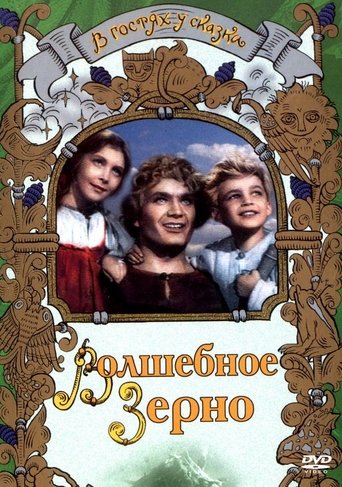
- Breakthrough role in 'The Magic Seed' (1941)
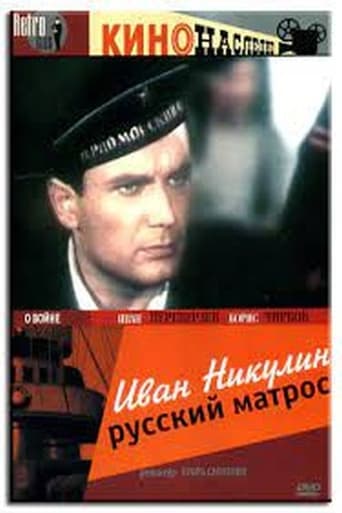
- Starred in the wartime hit 'Ivan Nikulin: Russian Sailor' (1944)
- Received Stalin Prize for acting achievements
- Became one of the highest-paid Soviet actors of the 1940s
- Transitioned successfully from supporting roles to leading man status
Best Known For
Iconic Roles
Must-See Films
Accolades
Won
- Stalin Prize (1948)
- Order of the Red Banner of Labour (1950)
- Honored Artist of the RSFSR (1949)
Special Recognition
- People's Artist of the RSFSR (1951)
- Order of the Badge of Honour (1944)
Working Relationships
Worked Often With
Studios
Why They Matter
Impact on Culture
Ivan Pereverzev played a significant role in shaping Soviet cinema's portrayal of the ideal citizen during the World War II and immediate post-war periods. His performances helped establish the archetype of the Soviet hero that would dominate Russian cinema for decades, combining physical strength with moral integrity and unwavering patriotism. His films were not only entertainment but also important tools of Soviet propaganda, helping to maintain morale during the war and reinforce socialist values afterward. Pereverzev's accessible yet dignified portrayal of ordinary Soviet citizens elevated the working class to heroic status, contributing to the cultural narrative of Soviet strength and resilience. His influence extended beyond cinema into broader Soviet culture, where his image became synonymous with the ideal Soviet man.
Lasting Legacy
Ivan Pereverzev's legacy endures as a representative of the golden age of Soviet cinema and the wartime generation of actors. His films remain important historical documents, offering insight into Soviet values and aesthetics during a crucial period of the 20th century. While his acting style may seem dated to contemporary audiences, his performances continue to be studied by film scholars and historians as examples of how cinema served political and social functions in the Soviet Union. Pereverzev helped establish a tradition of realistic yet heroic acting in Russian cinema that influenced subsequent generations of performers. His most famous films are periodically restored and shown in retrospectives of Soviet cinema, introducing new audiences to his work and the cultural context in which he created it.
Who They Inspired
Pereverzev influenced Soviet and Russian actors through his naturalistic approach to heroic roles, demonstrating how to portray idealized characters with genuine emotion and humanity. His success in wartime films established a template for how Soviet actors should approach patriotic roles, balancing political requirements with artistic integrity. Younger actors studied his technique for conveying strength and determination without resorting to melodramatic excess. His collaboration with prominent Soviet directors also helped shape the visual language of Soviet cinema, particularly in the war film genre. While not as internationally recognized as some of his contemporaries, Pereverzev's influence on Russian acting traditions remains significant, particularly in how actors approach roles that require both physical presence and emotional depth.
Off Screen
Ivan Pereverzev led a relatively private personal life, though his status as a major film star made him a public figure in Soviet society. He married actress Valentina Telegina in 1942, and their marriage was considered one of the strongest in Soviet cinema circles. The couple had two children, a son and a daughter, both of whom pursued careers outside the entertainment industry. Despite his fame, Pereverzev remained connected to his working-class roots and was known for his humility and generosity toward fellow actors and crew members. He maintained a close friendship with many of his directors and co-stars throughout his career.
Education
Moscow Art Theatre School (graduated 1939)
Family
- Valentina Telegina (1942-1978)
Did You Know?
- Was originally trained as a welder before discovering acting
- His breakthrough role came when he was nearly 30 years old, relatively late for a film career
- During World War II, he performed for frontline soldiers alongside his film work
- Was one of the few Soviet actors allowed to travel abroad for cultural exchanges in the late 1940s
- His voice was considered ideal for radio dramas, and he frequently performed on Soviet radio
- Turned down several roles in the early 1950s that he felt were too politically propagandistic
- Maintained a lifelong friendship with director Sergei Eisenstein despite never working together
- Was an accomplished athlete and performed many of his own stunts
- His image appeared on Soviet postage stamps in the 1960s honoring cinema legends
- Was known for his photographic memory and could recall entire scripts after a single reading
In Their Own Words
Acting is not about becoming someone else, but about finding the truth within yourself that connects to the character
Every role, especially in our cinema, must serve the people and their ideals
The camera sees everything - you cannot lie to it, only be honest in your emotions
War taught me that the smallest gesture of courage on screen can mean the world to someone watching it
We actors have a responsibility to show the best of what humanity can be, even in the darkest times
Frequently Asked Questions
Who was Ivan Pereverzev?
Prominent Soviet with credits in this catalog. He became.
What films is Ivan Pereverzev best known for?
Titles linked here include Ivan Nikulin: Russian Sailor (1944), The Magic Seed (1941).
When was Ivan Pereverzev born and when did he die?
Born September 3, 1914; died April 23, 1978.
What awards did Ivan Pereverzev win?
Pereverzev received several prestigious Soviet honors including the Stalin Prize in 1948, the title of People's Artist of the RSFSR in 1951, the Order of the Red Banner of Labour in 1950, and was named an Honored Artist of the RSFSR in 1949.
What was Ivan Pereverzev's acting style?
Pereverzev was known for his naturalistic yet powerful acting style, characterized by physical presence, emotional authenticity, and restrained realism. He specialized in portraying strong, patriotic Soviet heroes with depth and humanity, avoiding theatrical exaggeration common in his era.
Why did Ivan Pereverzev's career end in 1953?
Pereverzev's film career effectively ended in 1953 due to a combination of factors including health issues, changing cinematic tastes in the post-Stalin era, and the shifting political landscape of Soviet culture. His style of heroic acting became less in demand as Soviet cinema moved toward more modern themes.