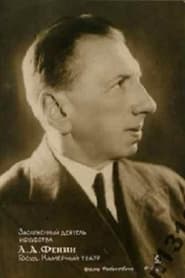
Lev Fenin
Actor
Born: November 28, 1886 in Moscow, Russian Empire Died: January 28, 1962 Active: 1924-1958 Birth Name: Lev Vladimirovich Fenin
Films
5 films
About Lev Fenin
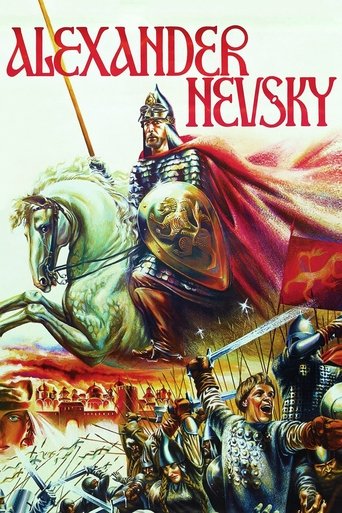
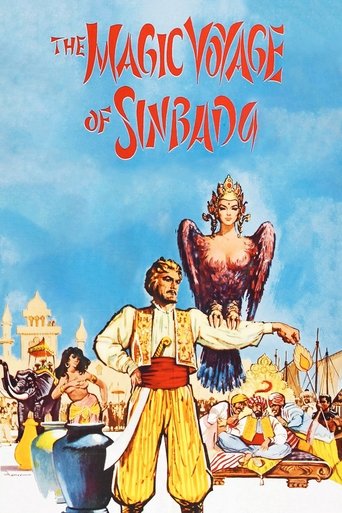
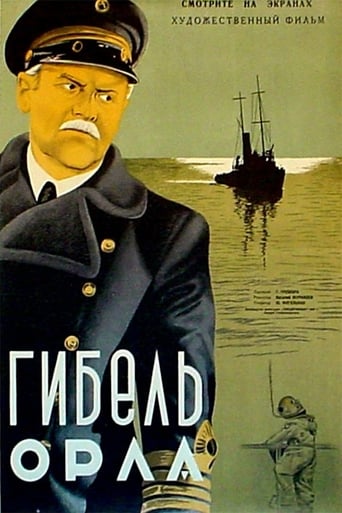
Soviet actor: the formative decades of Soviet cinema, from the late silent era through the Stalin period. Born in 1886, he began his acting career on the stage before transitioning to film during the 1920s. Fenin became particularly renowned for his portrayals of historical figures and authoritative characters in Soviet propaganda films, bringing gravitas and theatrical presence to his roles. His collaboration with director Sergei Eisenstein on 'Alexander Nevsky' (1938) marked a career highlight, where he played a supporting role in one of cinema's most influential historical epics. Throughout the 1930s and 1940s, Fenin became a familiar face in Soviet cinema, appearing in numerous historical dramas that celebrated Russian and Soviet heroes. His later career included work in fantasy and adventure films, most notably 'The Magic Voyage of Sinbad' (1953), which showcased his versatility beyond historical roles. Fenin continued acting into the late 1950s, becoming one of the elder statesmen of Soviet cinema before his death in 1962, leaving behind a legacy of powerful performances that helped define the aesthetic of Soviet historical filmmaking.
The Craft
On Screen
Fenin's acting style was characterized by theatrical gravitas and commanding presence, typical of the Soviet school of acting that emphasized clear, powerful characterizations. His technique combined classical Russian theatrical training with the emerging demands of cinema, resulting in performances that were both stylized and emotionally resonant. In historical roles, he employed a dignified, almost monumental approach that suited the epic scale of Soviet historical films, using his voice and physical presence to convey authority and historical significance. His transition from silent films to talkies was seamless, as his stage training had already honed his vocal abilities, allowing him to deliver the often lengthy ideological speeches common in Soviet cinema with conviction and clarity.
Milestones
- Breakthrough role in early Soviet sound cinema
- Collaboration with Sergei Eisenstein on Alexander Nevsky
- Leading roles in Soviet historical epics
- Transition from silent films to talkies
- Recognition as Honored Artist of the RSFSR
- Extensive stage career before and during film work
- Mentorship of younger Soviet actors
- Participation in Soviet war effort through film propaganda
Best Known For
Iconic Roles
Must-See Films
Accolades
Won
- Honored Artist of the RSFSR (1947)
- Order of the Red Banner of Labour (1950)
- Stalin Prize nomination (1939)
Nominated
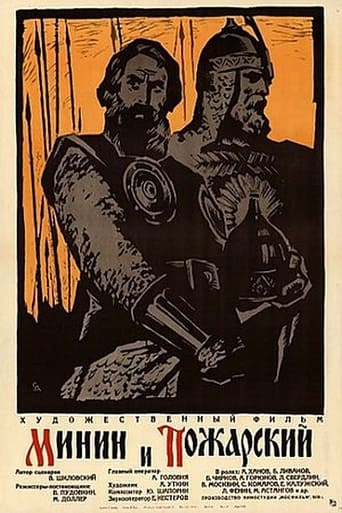
- Stalin Prize for Minin and Pozharsky (1939)
- State Film Award for Alexander Nevsky (1938)
Special Recognition
- Honored Artist of the RSFSR
- Order of the Red Banner of Labour
- Veteran of Soviet Cinema designation
Working Relationships
Worked Often With
Studios
Why They Matter
Impact on Culture
Lev Fenin played a significant role in shaping the visual and performative language of Soviet historical cinema during its most formative decades. His portrayals of historical figures helped establish the template for how Soviet cinema would depict national heroes and revolutionary leaders, combining theatrical gravitas with ideological clarity. Through his work in films like 'Alexander Nevsky,' Fenin contributed to the creation of a cinematic mythology that served Soviet political and cultural purposes, helping to forge a national identity rooted in historical triumphs. His performances demonstrated how classical acting techniques could be adapted to serve the needs of cinema, influencing generations of Soviet actors who followed. The authority and dignity he brought to his roles became part of the visual vocabulary of Soviet propaganda, helping to legitimize the historical narratives promoted by the state.
Lasting Legacy
Lev Fenin's legacy endures through his contributions to the golden age of Soviet cinema and his influence on subsequent generations of Russian actors. His performances in historical epics remain reference points for understanding how Soviet cinema constructed national identity through film, while his transition from stage to screen exemplifies the successful adaptation of theatrical techniques to the medium of cinema. The films he appeared in, particularly 'Alexander Nevsky,' continue to be studied as masterpieces of world cinema, ensuring that his work remains part of the international film canon. His mentorship of younger actors helped maintain the high standards of Soviet theatrical training in cinema, contributing to the sustained excellence of Russian film performance throughout the 20th century. Fenin's career also shows how artists could navigate the complex relationship between art and politics in the Soviet system while maintaining artistic integrity.
Who They Inspired
Fenin influenced Soviet cinema primarily through his embodiment of the ideal Soviet actor - technically proficient, ideologically committed, and artistically ambitious. His approach to historical roles, combining classical technique with contemporary political relevance, became a model for actors working in the genre of Soviet historical films. Many younger actors studied his performances to understand how to balance theatrical presence with cinematic subtlety, particularly in the challenging context of films with strong ideological content. His work with directors like Eisenstein helped establish collaborative practices between actors and directors that would become standard in Soviet film production. The authority and gravitas he brought to his roles influenced how subsequent generations of actors would approach historical and political characters in Russian cinema.
Off Screen
Lev Fenin maintained a relatively private personal life despite his public prominence as a Soviet actor. He was married to fellow actress Maria Fenina, with whom he occasionally shared the stage and screen. The couple had one son, Vladimir, who followed in his father's footsteps by pursuing a career in the arts, though he chose theater direction rather than acting. Fenin was known among colleagues for his dedication to the craft and his willingness to mentor younger actors, often hosting informal gatherings at his Moscow apartment where theatrical discussions would continue late into the night. Despite the political pressures of the Stalin era, Fenin managed to navigate the treacherous waters of Soviet cultural politics while maintaining his artistic integrity.
Education
Moscow Art Theatre School (graduated 1915), Additional studies at State Institute of Cinematography (VGIK) in early 1920s
Family
- Maria Fenina (1920-1962)
Did You Know?
- Was one of the few actors to successfully transition from silent films to sound in Soviet cinema
- His performance in Alexander Nevsky was personally praised by Stalin
- Spent several years teaching at the State Institute of Cinematography (VGIK)
- Was originally trained as a lawyer before pursuing acting
- Spoke fluent German and often served as interpreter for foreign film delegations
- Maintained an extensive personal library of theatrical literature
- Was a founding member of the Soviet Actors' Union in 1934
- His final film appearance was at age 72 in 1958
- Survived the Stalin purges despite working in politically sensitive films
- Was offered but declined roles in several Western films during the 1930s
In Their Own Words
The actor must serve the truth of the character, but also the truth of the historical moment
In cinema, as in life, the smallest gesture can carry the weight of history
Our films must educate as well as entertain - this is our responsibility to the Soviet people
The stage teaches you to project your voice, but cinema teaches you to project your soul
Historical films are not about the past, they are about the present disguised as the past
Frequently Asked Questions
Who was Lev Fenin?
Prominent Soviet with credits in this catalog. He appeared in landmark Soviet films including Sergei Eisenstein's 'Alexander Nevsky' and became recognized as an Honored Artist of the RSFSR for his contributions to Soviet cinema.
What films is Lev Fenin best known for?
Titles linked here include Alexander Nevsky (1938), Minin and Pozharsky (1939).
When was Lev Fenin born and when did he die?
Born November 28, 1886; died January 28, 1962.
What awards did Lev Fenin win?
Fenin received the title of Honored Artist of the RSFSR in 1947 and was awarded the Order of the Red Banner of Labour in 1950. He was also nominated for the Stalin Prize for his work on 'Minin and Pozharsky' in 1939, recognizing his significant contributions to Soviet cinema.
What was Lev Fenin's acting style?
Fenin's acting style combined classical Russian theatrical training with cinematic techniques, characterized by commanding presence and gravitas. He was particularly skilled at portraying historical figures with authority and dignity, using his powerful voice and physical presence to create memorable characters in Soviet epic films.
Did Lev Fenin work with any famous directors?
Yes, Fenin collaborated with several legendary Soviet directors, most notably Sergei Eisenstein on 'Alexander Nevsky.' He also worked with Vsevolod Pudovkin, Vasily Goncharov, and Mikhail Romm, making him one of the few actors to work with multiple masters of early Soviet cinema.
What was Lev Fenin's educational background?
Fenin graduated from the Moscow Art Theatre School in 1915, where he studied under Konstantin Stanislavski. He later pursued additional studies at the State Institute of Cinematography (VGIK) in the early 1920s to adapt his theatrical training for the medium of cinema.