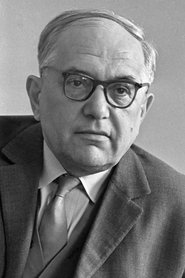
Aleksandr Ptushko
Director
Born: April 19, 1900 in Kharkiv, Russian Empire (now Ukraine) Died: March 6, 1973 Active: 1927-1973 Birth Name: Aleksandr Lukich Ptushko
Films
6 films

About Aleksandr Ptushko
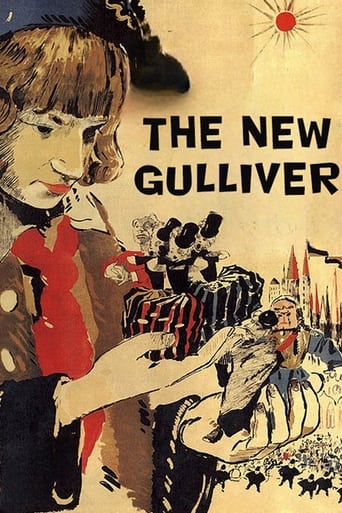
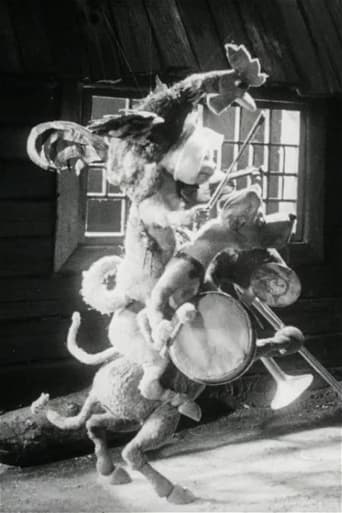
Aleksandr Lukich Ptushko — Soviet filmmaker renowned for his work in animation, special effects, and fantasy cinema. Born in Kharkiv in 1900, he initially trained as a painter and sculptor at the Kiev Art Institute before transitioning to film in the 1920s. Ptushko revolutionized Soviet cinema with his innovative combination of live-action and animation techniques, most notably in his 1935 masterpiece 'The New Gulliver,' which featured over 3,000 stop-motion puppets interacting with live actors. Throughout the 1930s and 1940s, he created a series of visually spectacular fantasy films based on Russian folklore and fairy tales, establishing himself as the Soviet Union's premier fantasy director. His meticulous attention to detail and willingness to spend years perfecting his visual effects earned him the nickname 'the Soviet Walt Disney.' Ptushko continued pushing technical boundaries into the 1950s, creating the first Soviet widescreen film 'Ilya Muromets' (1956) with stereo sound. His nearly five decades, during which he received numerous honors and fundamentally shaped the landscape of Soviet fantasy cinema, leaving an indelible mark on both national and international filmmaking.
The Craft
Behind the Camera
Ptushko's directing style was characterized by elaborate visual spectacle, innovative special effects, and meticulous attention to detail. He specialized in fantasy and fairy tale adaptations, bringing Russian folklore to life with unprecedented visual sophistication. His approach combined traditional storytelling with groundbreaking technical achievements, often spending years on single projects to perfect his effects. Ptushko favored grand, sweeping compositions and elaborate production designs that created immersive fantasy worlds. He was known for his perfectionism and willingness to push the boundaries of available technology, creating many of his special effects in-camera rather than relying on post-production techniques.
Milestones
- Directed 'The New Gulliver' (1935), first feature film combining live-action with stop-motion animation
- Won Stalin Prize for 'The Stone Flower' (1946)
- Created first Soviet widescreen film 'Ilya Muromets' (1956)
- Pioneered combination photography techniques in Soviet cinema
- Received title of People's Artist of the USSR (1969)
- International recognition for 'Sadko' (1953), distributed by RKO in the US
Best Known For
Must-See Films
Accolades
Won
- Stalin Prize (1946) for 'The Stone Flower'
- Stalin Prize (1948) for 'The Tale of the Fisherman and the Goldfish'
- Stalin Prize (1951) for 'Kuban Cossacks'
- Order of Lenin (1950)
- Order of the Red Banner of Labour (1944)
- People's Artist of the USSR (1969)
Nominated
- Venice Film Festival Golden Lion nomination for 'Sadko' (1953)
- Cannes Film Festival Palme d'Or consideration for 'Ilya Muromets' (1956)
Special Recognition
- Honored Artist of the RSFSR (1947)
- People's Artist of the RSFSR (1965)
- State Prize of the RSFSR (1972)
- Multiple jubilee medals for contributions to Soviet cinema
Working Relationships
Worked Often With
Studios
Why They Matter
Impact on Culture
Ptushko fundamentally transformed Soviet cinema by elevating fantasy and fairy tale films to the level of high art, challenging the prevailing preference for socialist realism. His technical innovations, particularly in combining live-action with animation, influenced filmmakers worldwide and demonstrated that Soviet cinema could compete internationally in the realm of spectacular visual effects. Ptushko's adaptations of Russian folklore helped preserve and popularize traditional stories for new generations, creating a cinematic mythology that resonated deeply with Soviet audiences. His films were among the first Soviet productions to achieve significant international distribution, particularly 'Sadko' which was released by RKO in the United States. Ptushko established a tradition of fantasy filmmaking in Soviet cinema that continued for decades, influencing subsequent generations of directors and helping to create a distinctive Soviet approach to the fantasy genre.
Lasting Legacy
Aleksandr Ptushko's legacy endures as the father of Soviet fantasy cinema and a special effects artist whose innovations predated and influenced many Western filmmakers. His techniques for combining live-action with animation were studied and adapted by special effects artists globally, including Ray Harryhausen who acknowledged Ptushko's influence. Many of Ptushko's films have been restored and preserved as important cultural artifacts, remaining classics of Soviet cinema that continue to be studied for their groundbreaking visual effects and artistic achievements. The 'Ptushko style' of elaborate fantasy filmmaking became a template for subsequent Soviet and Russian directors working in the genre. His films are regularly featured in retrospectives at major film festivals, and his technical innovations remain relevant to contemporary filmmakers working with visual effects.
Who They Inspired
Ptushko's influence extends far beyond Soviet cinema, impacting the development of special effects and fantasy filmmaking worldwide. His stop-motion techniques in 'The New Gulliver' predated and influenced Ray Harryhausen's work, while his combination photography methods anticipated modern CGI techniques. The visual language he developed for fantasy films influenced directors from George Lucas to Terry Gilliam. Ptushko demonstrated that fantasy could be both artistically significant and technically innovative, paving the way for the acceptance of genre films as serious cinema. His approach to adapting folklore for the screen influenced how stories from various cultures are adapted for film, emphasizing the importance of visual spectacle alongside narrative. Contemporary Russian fantasy filmmakers continue to draw inspiration from Ptushko's work, particularly his ability to create immersive fantasy worlds using practical effects and innovative cinematography.
Off Screen
Ptushko was married to Nadezhda Ptushko, who frequently collaborated with him on his films as an actress and assistant. They had one son together. Known as an intensely private and perfectionistic individual, Ptushko devoted most of his life to his craft, often working 16-hour days to achieve his vision. He was described by colleagues as demanding but fair, with an uncompromising commitment to artistic excellence. Despite his international acclaim, he remained modest and rarely gave interviews, preferring to let his work speak for itself.
Education
Kiev Art Institute (studied painting and sculpture), State Institute of Cinematography (VGIK) - film studies
Family
- Nadezhda Ptushko (married 1925-1973)
Did You Know?
- Spent 3 years creating 'The New Gulliver' due to complex animation requirements
- Used over 3,000 individually crafted puppets in 'The New Gulliver'
- Nicknamed 'the Soviet Walt Disney' for his animation innovations
- 'Sadko' (1953) was the first Soviet film released by a major Hollywood studio (RKO)
- Originally trained as a painter and sculptor before entering film
- 'Ilya Muromets' (1956) was the first Soviet film shot in widescreen with stereo sound
- Often worked 16-hour days during production
- Created most of his special effects in-camera rather than using post-production
- His films were among the first to receive international distribution for Soviet cinema
- Was one of the few Soviet directors with complete creative control over his projects
- His work was studied by special effects artists at Disney and other major studios
- Maintained a workshop with over 50 craftsmen to create props and effects
- Was fluent in multiple languages, which helped with international collaborations
- His films were frequently screened for Soviet leadership, including Stalin
- Developed several patented techniques for combination photography
In Their Own Words
Fantasy is not escape from reality, but a way to understand it better
Every frame must be a work of art, not just a means to tell a story
The impossible becomes possible when you have imagination and patience
In cinema, we must create worlds that exist nowhere else but in the viewer's imagination
Special effects should serve the story, not dominate it
The magic of film lies in making the unbelievable believable
Frequently Asked Questions
Who was Aleksandr Ptushko?
Soviet filmmaker renowned for his innovative work in animation, special effects, and fantasy cinema. Often called 'the Soviet Walt Disney,' he revolutionized film techniques by combining live-action with stop-motion animation and created visually spectacular adaptations of Russian folklore and fairy tales throughout his nearly five-decade career.
What films is Aleksandr Ptushko best known for?
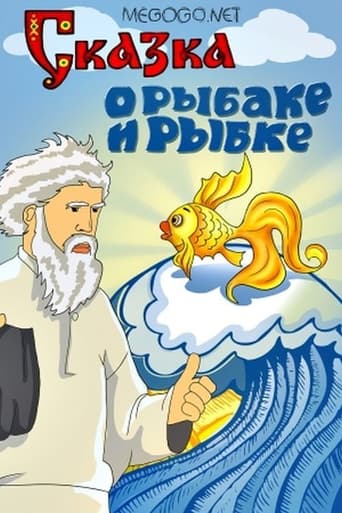
Titles linked here include The New Gulliver (1935), The Tale of the Fisherman and the Goldfish (1937).
When was Aleksandr Ptushko born and when did he die?
Born April 19, 1900; died March 6, 1973.
What awards did Aleksandr Ptushko win?
Ptushko received multiple Stalin Prizes for his films, including awards for 'The Stone Flower' (1946), 'The Tale of the Fisherman and the Goldfish' (1948), and 'Kuban Cossacks' (1951). He was also honored with the title of People's Artist of the USSR (1969), the Order of Lenin, and the Order of the Red Banner of Labour.
What was Aleksandr Ptushko's directing style?
Ptushko's directing style emphasized elaborate visual spectacle, innovative special effects, and meticulous attention to detail. He specialized in fantasy adaptations, combining traditional storytelling with groundbreaking technical achievements. His approach favored grand compositions and elaborate production designs, often spending years perfecting his visual effects and creating many effects in-camera.
How did Ptushko influence special effects in cinema?
Ptushko pioneered combination photography techniques that influenced special effects worldwide. His stop-motion methods in 'The New Gulliver' predated and influenced Ray Harryhausen's work. His in-camera effects techniques were studied by major studios including Disney, and his approach to creating fantasy worlds using practical effects remains relevant to contemporary filmmakers.
Why was Ptushko called the 'Soviet Walt Disney'?
Ptushko earned the nickname 'the Soviet Walt Disney' for his groundbreaking innovations in animation and his ability to bring fairy tales to life with unprecedented visual sophistication. Like Disney, he pushed the boundaries of animation technology and created magical fantasy worlds that captivated audiences, though he focused more on combining animation with live-action rather than pure animation.
What made Ptushko's films innovative for their time?
Ptushko's films were innovative for their use of combination photography, elaborate stop-motion animation, and practical effects. 'The New Gulliver' was the first feature film to seamlessly blend live actors with thousands of animated puppets. His later works introduced widescreen and stereo sound to Soviet cinema, and his meticulous in-camera effects techniques created visual spectacles that were technically unprecedented for their era.